
Pediatric Point-of-Care Advertising in 7,500+ Pediatric OfficesReach the parent in the room.
Pediatric point-of-care advertising places patient-education messages in the waiting rooms, exam rooms and staff areas of pediatric practices, where parents and caregivers make most of a child's health decisions. PlaceBased Media runs fully managed pediatric campaigns across 7,500+ pediatric offices for pharmaceutical brands, vaccine and consumer health marketers, and public health agencies. Two consecutive AAM audits verified 113.3% and 111% of guaranteed distribution.
- 7,500+ pediatric offices
- AAM-audited delivery
- English, Spanish + 15 more languages
- Fully managed


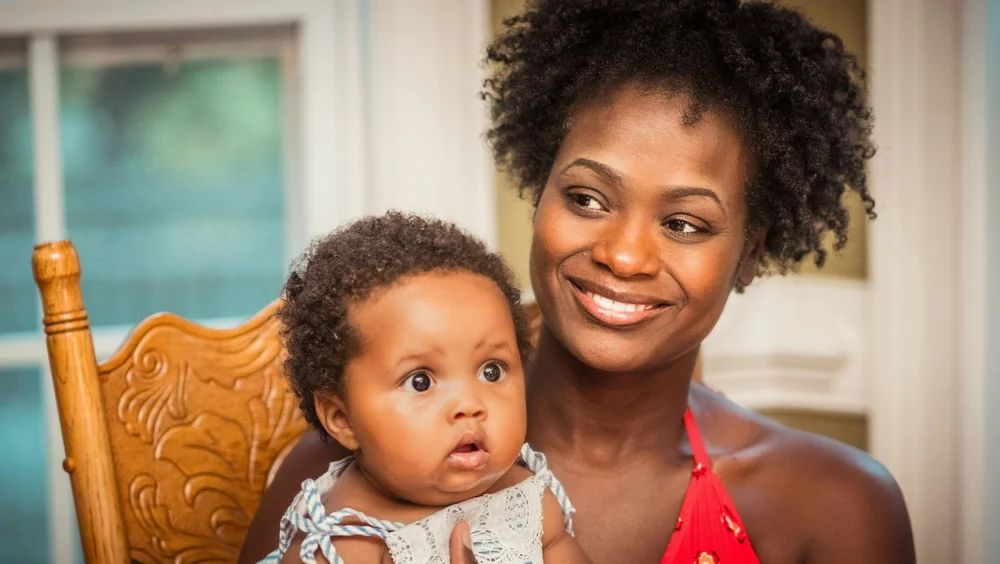
Why the exam room is worth it.
Pediatricians see 136 million office visits a year — 15% of all U.S. office visits.
Source: CDC National Center for Health Statistics, “National Ambulatory Medical Care Survey: 2016 National Summary Tables,” 2016.The average medical visit keeps patients in the clinic for 84 minutes, but only about 20 of those minutes are face-to-face with the physician.
Source: Ray KN, Chari AV, Engberg J, et al. (American Journal of Managed Care), “Opportunity Costs of Ambulatory Medical Care in the United States,” 2015.72% of office visits end with a medication provided or prescribed.
Source: CDC National Center for Health Statistics, “National Ambulatory Medical Care Survey: 2019 National Summary Tables,” 2019 data (pub. 2023).The Caregiver Is the Decision Maker
In most medical specialties, the patient in the waiting room is the person you need to reach. In pediatrics, it usually isn't. Parents, grandparents and other caregivers book the visits, answer the clinician's questions, fill the prescriptions and decide what happens at home. A pediatric campaign speaks to the adult in the chair, not the child on their lap.
That changes the creative. Messages that work in pediatric offices are written for a busy parent: plain language, one clear next step, and a question to ask the pediatrician. Many families come back several times a year for well-child visits, immunizations and sick visits, so the same caregivers see a campaign more than once over a flight.
Infants and toddlers
new parents at frequent well-baby visits, often with questions about feeding, sleep, immunizations and development.
School-age children
caregivers managing asthma, allergies, ADHD, sports physicals and back-to-school forms.
Teens
adolescents who increasingly join the conversation, alongside the parent who still signs the forms. See our teens and youth audience page.
Therapeutic Categories That Fit Pediatric Offices
These are the categories pharmaceutical and consumer health brands most often bring to pediatric settings. Every campaign is patient education. We don't place messages that make treatment claims for the brand.
| Category | Typical patient-education topics |
|---|---|
| Immunizations | Well-child immunization schedules, RSV protection for infants, seasonal flu, adolescent vaccines |
| Respiratory and allergy | Asthma action plans, inhaler technique, seasonal and food allergies |
| ADHD and behavioral health | Recognizing symptoms, talking with the pediatrician, caregiver support, screen-time and sleep habits |
| Dermatology | Eczema (atopic dermatitis) skin care, flare triggers, teen acne |
| Nutrition and growth | Infant formula and feeding, picky eating, healthy weight, food insecurity resources |
| Infectious disease | Ear infections, strep, RSV and cold-and-flu season, when to call the office |
| OTC and consumer health | Fever and pain relief dosing by weight, sunscreen, oral health |
| Safety | Car seats, safe sleep, poison prevention, water safety |
Why Pediatric Offices Matter Right Now
Three numbers from the CDC show the scale of the conversations happening in pediatric exam rooms:
- ADHDan estimated 7 million U.S. children aged 3–17 (11.7%) have a current ADHD diagnosis, according to 2024 national survey data (CDC). CDC notes that many children receive ADHD care from a pediatrician or family doctor.
- Asthmaabout 4.8 million U.S. children (6.7%) had current asthma in 2023 (CDC).
- RSVbefore RSV immunizations were introduced, an estimated 58,000–80,000 children younger than 5 were hospitalized with RSV each year (CDC).
These are national background figures, not PlaceBased campaign results.
Where the Patient Journey Meets the Pediatric Office
| Moment | What the caregiver is thinking about | Message that fits |
|---|---|---|
| Well-child and immunization visits | "Is my child on track?" | Immunization schedules, developmental milestones, nutrition, safety |
| A new diagnosis (asthma, ADHD, eczema, allergies) | "What does this mean for us?" | Disease-state education, questions to ask, support resources |
| Ongoing management and refills | "How do we keep this under control?" | Adherence reminders, inhaler or device technique, refill and savings programs |
| Seasonal peaks | RSV, flu and allergy season, back-to-school, summer camp | Time-sensitive reminders, scheduling prompts, sun and water safety |
Pediatric POC Formats: Patient-Facing and HCP-Facing
Most pediatric point-of-care programs are built on print and static formats, with digital screens added in offices that have them.
| Audience | Format | Best for |
|---|---|---|
| Caregivers (patient-facing) | Exam room posters and wallboards | Condition education and "ask your pediatrician" prompts in the minutes before the clinician arrives |
| Caregivers (patient-facing) | Waiting room posters and wallboards | Immunization, safety and seasonal messages the whole room sees while families wait |
| Caregivers (patient-facing) | Brochure and take-one displays | Dosing guides, asthma action plans and resource lists families can take home |
| Caregivers (patient-facing) | Waiting room digital screens, where available | Rotating education and seasonal reminders without reprinting |
| Pediatricians, nurses and staff (HCP-facing) | Posters and displays in HCP lounges and break rooms | Disease-state awareness, clinical resources and patient-support program information for the care team |
Formats vary by network and office, and not every office has a screen. Your plan lists exactly what's available in each office before you commit. See all point-of-care channels and formats.
Targeting Pediatric Offices
By specialty
pediatric practices only, or pediatrics combined with family medicine, pharmacies and other specialties.
By geography
state, DMA, county or ZIP code.
By community need
counties with lower immunization rates, higher asthma rates, or larger Medicaid and CHIP populations, using public health data. We never target individual patients or use protected health information.
By language
creative in English, Spanish and 15 more languages, assigned by office. Pair with our Hispanic and multicultural programs.
Built for MLR Review
Pediatric campaigns reach families at a sensitive moment, so the creative has to be right.
- Your claims stay yoursCreative goes through your own medical, legal and regulatory (MLR) review. PlaceBased doesn't write, edit or add product claims.
- Room for fair balancePrint and digital formats can carry fair balance and Important Safety Information (ISI) when your brand team requires it.
- Education firstUnbranded disease-awareness and caregiver-education creative fits pediatric offices especially well.
- Privacy-safe by designTargeting is by location, specialty and geography, never by individual patient data.
Read more in our guide to healthcare marketing compliance.
Measurement and Proof of Performance
AAM-audited delivery
Two consecutive AAM audits verified 113.3% and 111% of guaranteed distribution on our point-of-care program. Read the AAM Media Matters feature.
Office-level proof of posting
time-stamped, geo-tagged photos for each location.
Delivery reporting
by ZIP code, county, DMA and language.
Response tracking
with QR codes, short URLs and UTM tags.
For Public Health Organizations
State and local health departments, children's hospitals and nonprofits use pediatric offices to reach families in a setting they already trust. Common campaigns include routine childhood immunizations, RSV and flu season reminders, safe sleep, car seat safety, lead screening, WIC and CHIP enrollment, and youth mental health and 988 awareness. Our Public Health Media Planning Guide covers budgets, timelines and a planning checklist, and our public health advertising page shows how pediatric offices fit a wider community plan. For broader reach to families, see marketing to parents.
More Point-of-Care Specialties
Pediatrics is one of 10 specialties in our point-of-care network. Combine it with OB/GYN (6,000+ offices) to follow families from pregnancy into the first years of a child's life, or with dermatology (3,000+ offices) for eczema and acne education.
- Orthopedics: 3,500+ offices
- Cardiology: 2,500+ offices
- Gastroenterology: 2,500+ offices
- Oncology: 2,000+ offices
- Neurology: 2,000+ offices
- Endocrinology: 1,500+ offices
- Pulmonology: 1,000+ offices
Pediatric Point-of-Care Advertising FAQs
01What is pediatric point-of-care advertising?
Pediatric point-of-care advertising places patient-education messages in pediatric practices, including exam room and waiting room posters, wallboards, brochure and take-one displays, digital screens where offices have them, and HCP lounge displays. It reaches parents and caregivers while they wait for and talk with their child's pediatrician. Formats vary by network and office, and many offices run print and static formats rather than screens.
02Who sees ads in pediatric offices?
Mostly parents, grandparents and other caregivers, who make most health decisions for children, plus teens who increasingly take part in their own care. HCP lounge and break room formats reach pediatricians, nurses and office staff.
03What kinds of brands advertise in pediatric offices?
Pharmaceutical and vaccine brands, consumer health and OTC brands, infant nutrition and personal care brands, health systems and health plans, and public health agencies and nonprofits. Campaigns focus on patient and caregiver education.
04Can pharmaceutical brands run branded creative in pediatric offices?
Yes, when it has been approved through the brand's own medical, legal and regulatory (MLR) review. Formats can carry fair balance and Important Safety Information. Many brands also run unbranded disease-awareness creative. PlaceBased doesn't write or change product claims.
05How many pediatric offices are in the PlaceBased network?
PlaceBased Media's point-of-care network includes 7,500+ pediatric offices. Your plan lists the specific offices available in your target markets before you commit.
06Can I target pediatric offices by ZIP code or DMA?
Yes. You can choose pediatric offices by state, DMA, county or ZIP code, and prioritize communities using public health data such as immunization or asthma rates. Targeting is by location, never by individual patient data.
07Can pediatric campaigns run in Spanish?
Yes. PlaceBased produces creative in English, Spanish and 15 more languages and can assign different language versions to different offices.
08How do I know my pediatric campaign ran?
Every campaign includes office-level proof of posting with time-stamped, geo-tagged photos and delivery reporting by geography. Two consecutive AAM audits verified 113.3% and 111% of guaranteed distribution on PlaceBased's point-of-care program.
Pair it with
OB/GYN offices
6,000+ OB/GYN offices.
Explore ob/gyn offices →Daycares
Drop-off and pick-up, every weekday.
Explore daycares →Pharmacies
Counter, shelf and screen, at pickup.
Explore pharmacies →Orthopedic offices
3,500+ orthopedic offices.
Explore orthopedic offices →Point of care
Waiting rooms, exam rooms and HCP lounges.
Explore point of care →See every media solution.
All media solutions →Planning a campaign? Start with our public health advertising overview, compare DOOH advertising screens, or browse every OOH and DOOH media solution. See every specialty on our point-of-care advertising page.
Let's talk.
Tell us which families you need to reach, where and when. We'll come back with a pediatric office list for your markets, the formats available in each office and an honest read on what your budget can do.