
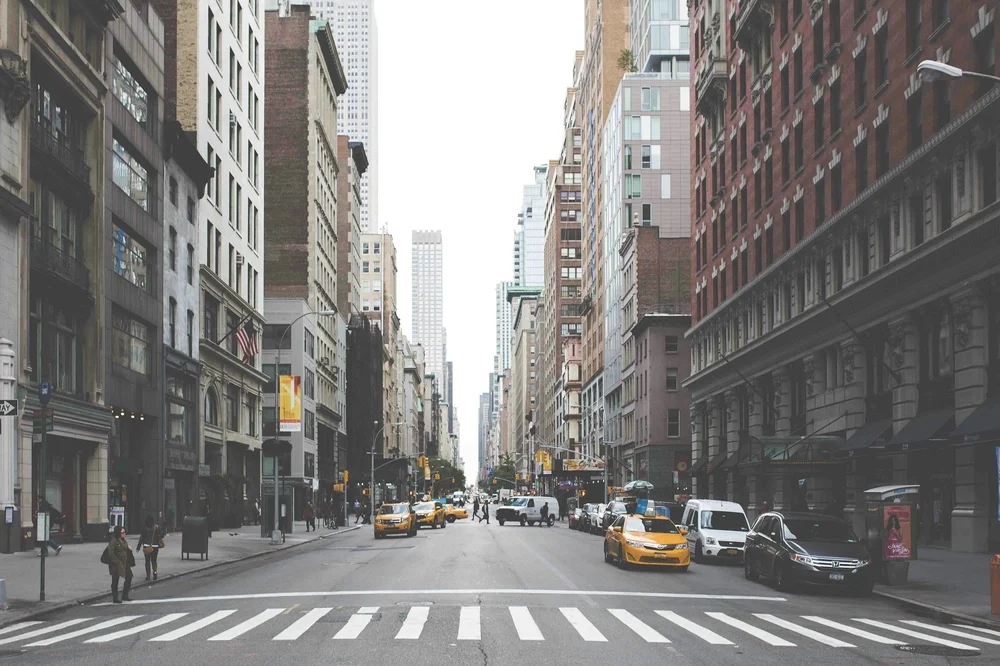
Urban panel advertising: eye-level street displays in dense city neighborhoodsEye level. Every block.
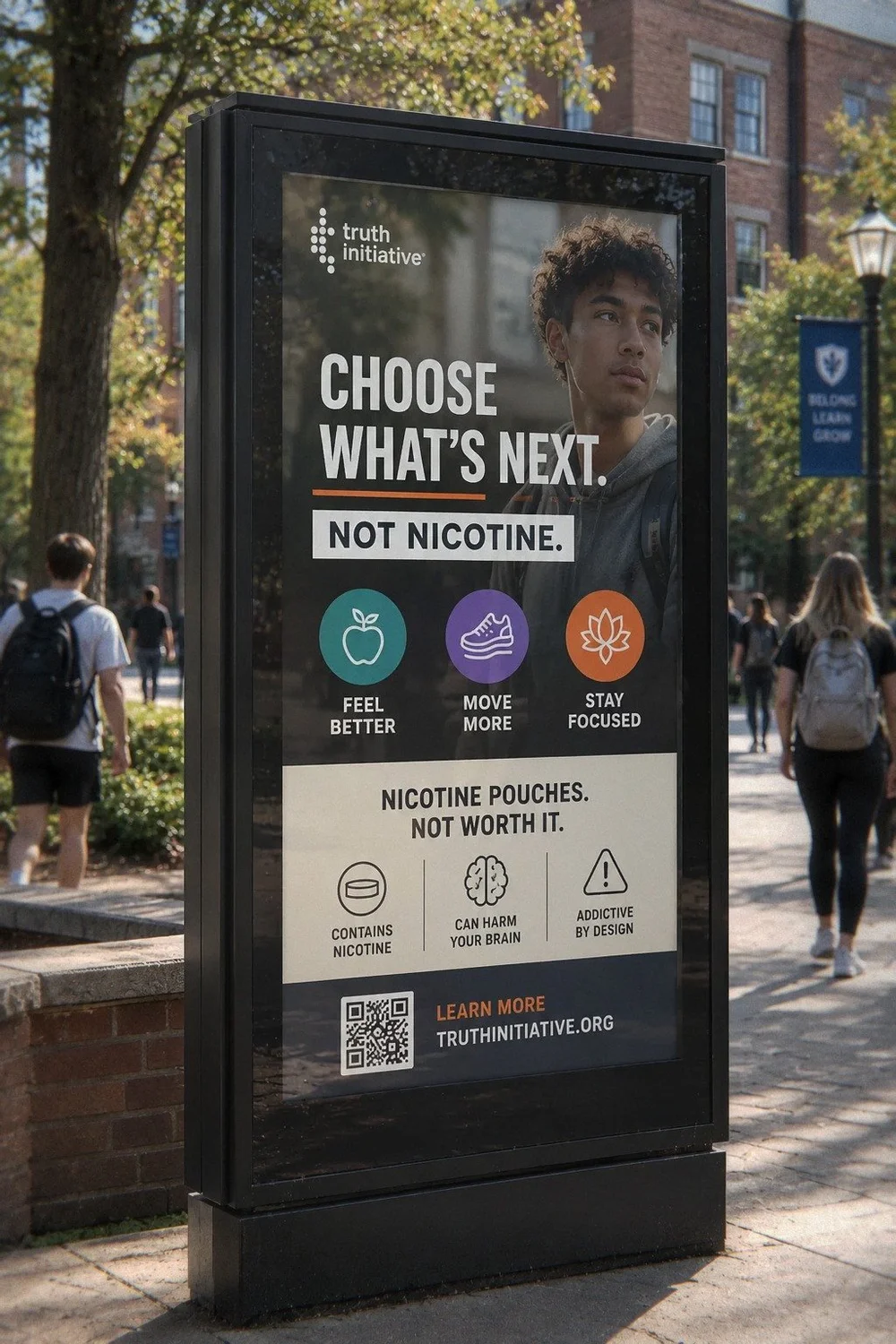
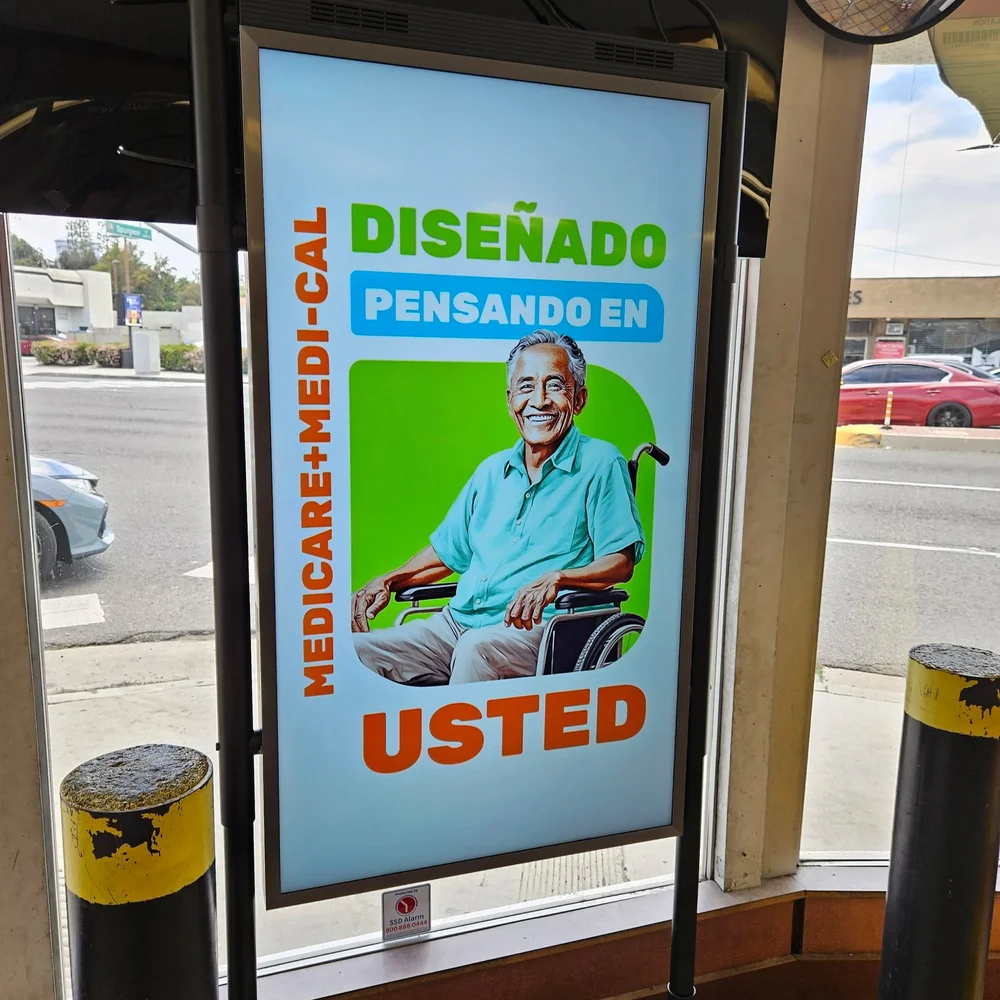
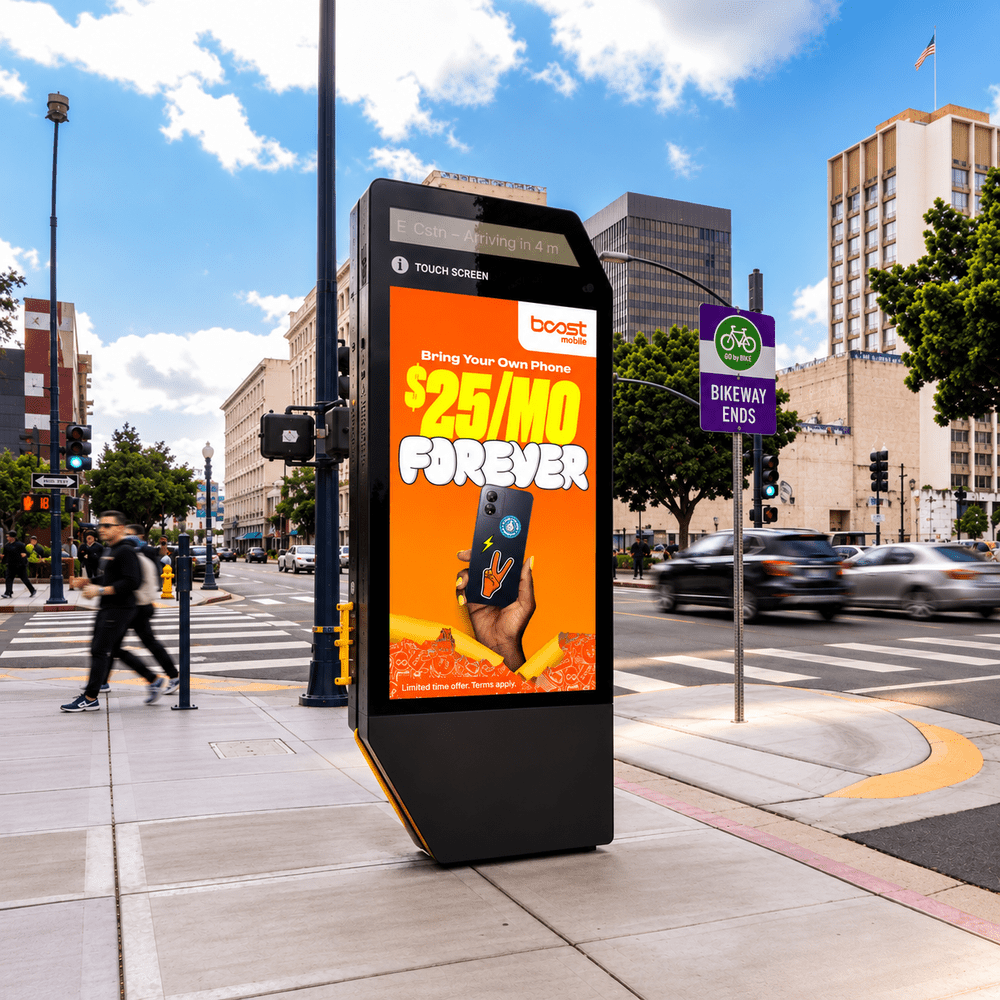
Urban panels are eye-level street displays on busy sidewalks, at transit stops and bus shelters, and in shopping and entertainment districts. They reach pedestrians, commuters, and visitors up close in dense city neighborhoods, in static or digital formats. PlaceBased Media localizes urban panel creative by language and community, which makes them a strong fit for multicultural campaigns.
- 500,000+ locations
- AAM-audited delivery
- English, Spanish + 15 more languages
- Fully managed
Eye level, in the rhythm of the city.
Urban panels are street-level displays in busy city environments: beside high-traffic sidewalks, on newsstands and transit kiosks, near bus shelters, and in shopping and entertainment districts. They're placed where people walk, wait, and commute, so the message is seen up close by pedestrians and drivers alike.
Because they sit at street level, panels can be localized with language, imagery, and cultural references that resonate with a specific neighborhood, whether you're promoting a product, a public service, or a community event.
Close range. Constant traffic.
High visibility in dense areas
Bustling pedestrian and commuter corridors deliver constant exposure.
Street-level impact
Eye-level placement means the message is seen, read, and remembered.
Targeted reach
Pick the neighborhoods, demographics, and communities that matter.
Time to read
Panels sit where people wait or walk slowly.
Static or digital
One powerful image, or rotating messages through the day.
Cost-effective in cities
Repeated impressions without the cost of large-format billboards.
65% of consumers notice digital street-level ads.
Source: OAAA / The Harris Poll, “Digital OOH Street Level Ads: Reach Mass Audiences, Drive Consumer Action + Sales,” 2024.86% of recent street-level ad viewers took action: 45% visited an advertised restaurant and 37% bought at an advertised store.
Source: OAAA / The Harris Poll, “Digital OOH Street Level Ads: Reach Mass Audiences, Drive Consumer Action + Sales,” 2024.80% of Americans live in urban areas.
Source: U.S. Census Bureau, “Nation's Urban and Rural Populations Shift Following 2020 Census,” 2022.
Speak the language of the block.
Urban panels are especially effective for multicultural communities. Placed in diverse neighborhoods, they meet people where they live, work, and shop, with creative in their language and imagery that reflects their culture.
That builds trust and recognition with Hispanic, African American, Asian American, and other communities. Pair panels with our multicultural OOH network for in-venue reach in the same neighborhoods.
Smart corners. Simple creative.
Urban panel campaigns work best when locations come from audience data and creative is built for a few seconds of attention.
- Target the corridor.Use neighborhood profiles, foot traffic, and cultural makeup to choose where your audience lives, works, and commutes.
- Localize the message.Use language, imagery, and references that feel authentic to the community.
- Keep it simple.Bold visuals, short copy, quick comprehension.
- Daypart digital panels.Schedule for peak commute and pedestrian hours, or tie to community events and holidays.
- Extend it.Pair panels with mobile, social, or experiential for more touchpoints.
- Stay consistent.Keep one look across locations, with room for local versions.
Questions, answered.
01What is urban panel advertising?
Street-level displays, typically on bus shelters, newsstands, kiosks, or other street furniture, in high-traffic pedestrian and commuter areas. They're designed to be seen at eye level.
02Where are urban panels typically located?
On busy sidewalks, at transit stops and bus shelters, on newsstands and kiosks, and in shopping and entertainment districts in dense city neighborhoods.
03How effective are urban panels?
Eye-level placement and heavy foot traffic give panels close-range visibility and allow more localized, targeted messages than large-format billboards.
04Can I target specific neighborhoods or demographics?
Yes. Choose panels in neighborhoods that match your audience, including specific multicultural or high-density areas.
05What's the difference between static and digital urban panels?
Static panels show one message for the whole campaign. Digital panels can rotate several creatives through the day and be scheduled for specific times.
06How long should a campaign run?
Plan for at least 4 weeks for repeated exposure and retention. Longer flights build awareness over time.
07Are urban panels cost-effective?
Yes. Compared with large-format billboards, panels deliver targeted reach and repeated impressions at a lower cost, especially in dense metro areas.
08Can urban panels carry public health or community messages?
Absolutely. They put important information in front of residents in the neighborhoods where they live, work, and travel.
Pair urban panels with.
Multicultural
In-language, in-culture, in-neighborhood.
Explore multicultural →Bars & restaurants
Screens, mirror clings, table tents and coasters.
Explore bars & restaurants →DOOH
Digital screens across every venue type.
Explore DOOH →Mobile
QR, geo-targeting and social to extend OOH.
Explore mobile →See every media solution.
All media solutions →Planning a campaign? Start with our public health advertising overview, compare DOOH advertising screens, or browse every OOH and DOOH media solution. Running a regional or visitor campaign? See the tourism media planning guide.
Own the corner.
Tell us your neighborhoods and audience. We'll come back with panel locations, formats, and a plan that fits your budget.