
Local Spaces, Public Health
Exploring how place-based out-of-home media can drive meaningful improvements in public health, education, and community well-being.

Maternal Health Campaigns: Reaching Expecting and New Parents Where They Are
Effective maternal health campaigns reach expecting and new parents where they live, shop, and receive care. Discover how place-based advertising in OB-GYN offices, pharmacies, grocery stores, and community venues helps public health organizations promote prenatal care, postpartum health, maternal mental health, and health equity.
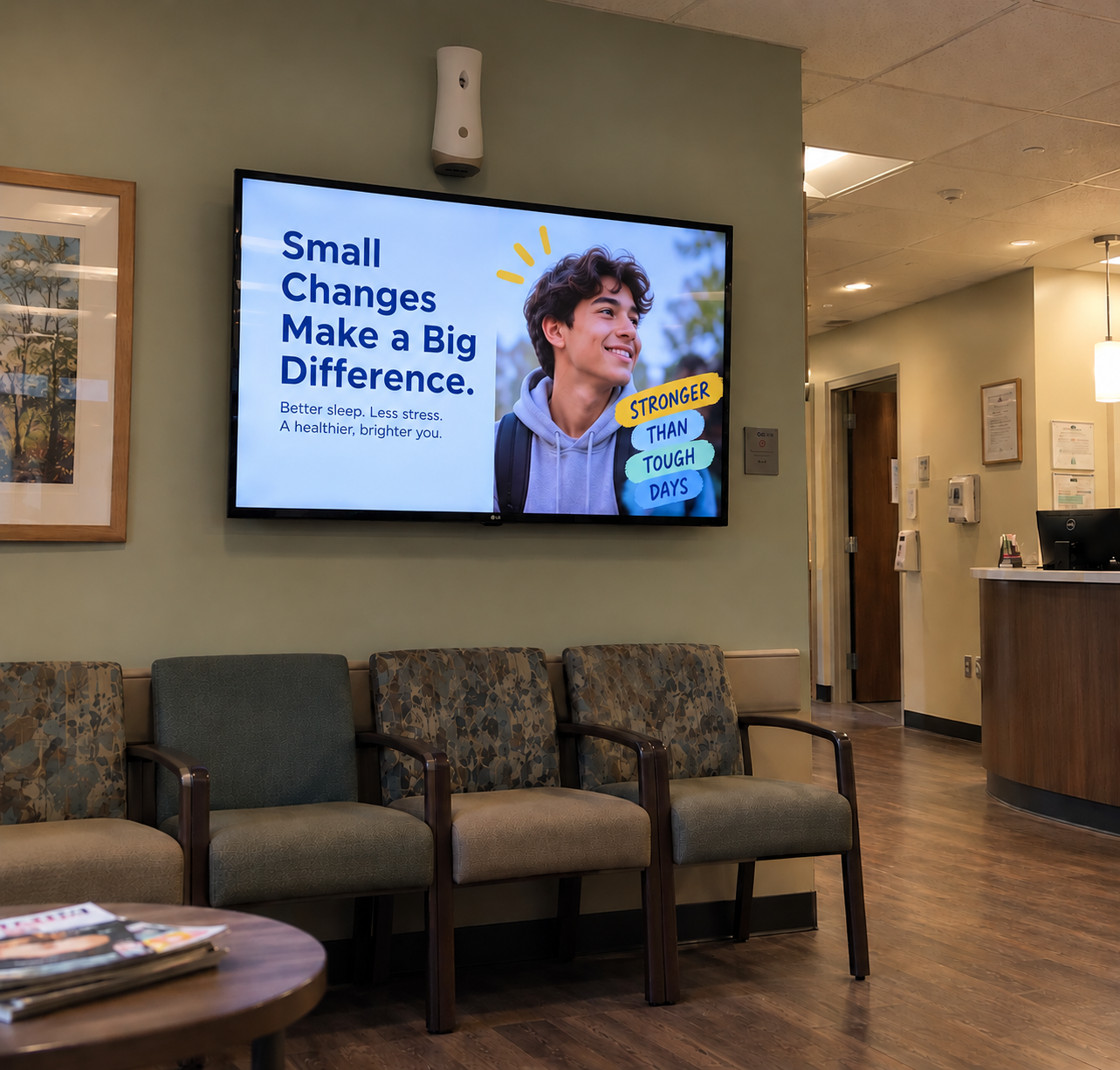
How to Buy Place-Based OOH and DOOH: An RFP and Procurement Guide for Agencies and Government Buyers
Learn how to buy place-based out-of-home (OOH) and digital out-of-home (DOOH) advertising with confidence. This procurement guide helps government agencies, public health departments, and media buyers navigate RFPs, evaluate vendors, compare pricing, assess audience targeting, and establish campaign measurement standards to maximize reach, accountability, and return on investment.
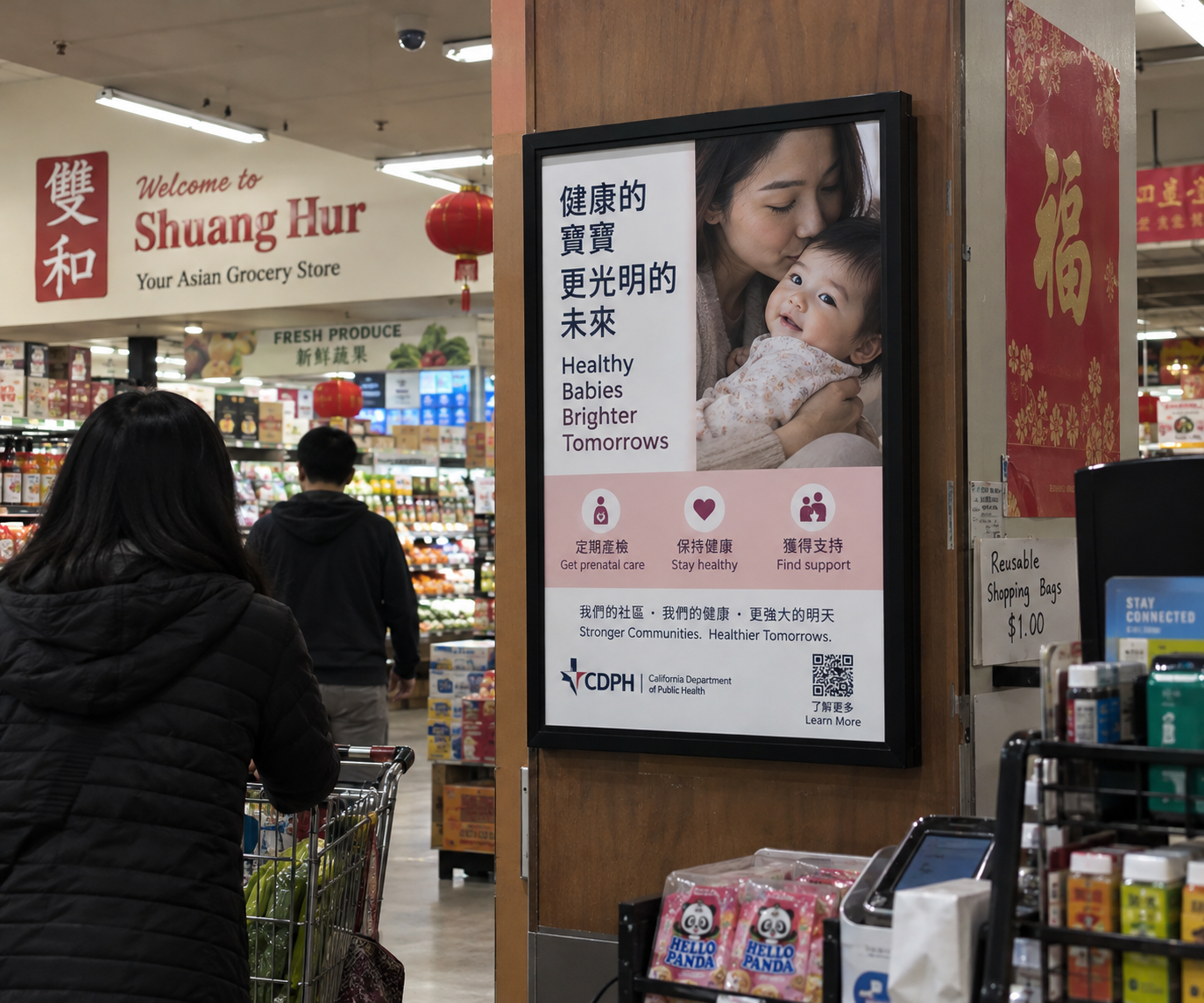
Advertising to Asian American Communities: In-Language, Culturally Adapted Place-Based Media
Looking for effective ways to reach Asian American consumers? Discover how Asian American advertising through place-based out-of-home (OOH) media helps brands, government agencies, and public health organizations connect with AAPI communities. Explore multicultural marketing strategies, multilingual advertising, and targeted placements in Asian grocery stores, restaurants, healthcare facilities, and community venues.

Pedestrian and Work Zone Safety Advertising: Reaching Drivers and Walkers at the Right Moment and Place
Discover how place-based out-of-home (OOH) advertising helps transportation agencies improve pedestrian and work zone safety. From gas stations and convenience stores to digital screens and community venues, targeted safety campaigns reach drivers and pedestrians where they live, work, and travel—reinforcing safer behaviors, reducing distractions, and raising awareness when and where it matters most.
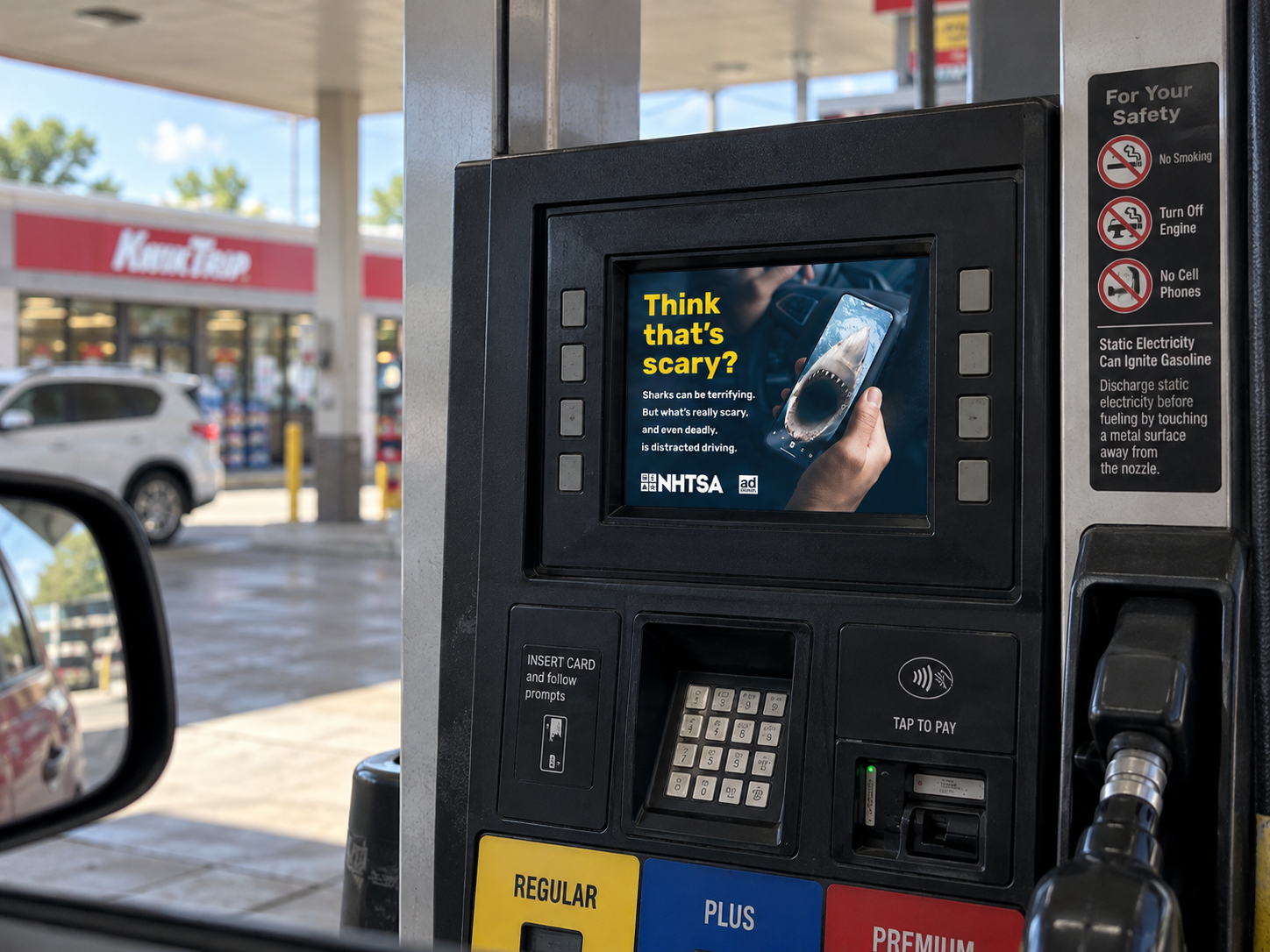
Distracted Driving Campaigns: A Place-Based OOH Strategy for DOTs and Highway Safety Offices
Reach drivers where it matters most with place-based digital out-of-home (DOOH) advertising at gas stations and convenience stores. From gas pump TV screens to in-store digital displays, PlaceBased Media helps traffic safety campaigns deliver high-impact messaging to motorists at key moments throughout their daily routines, increasing awareness of distracted driving, impaired driving, and other roadway safety risks.
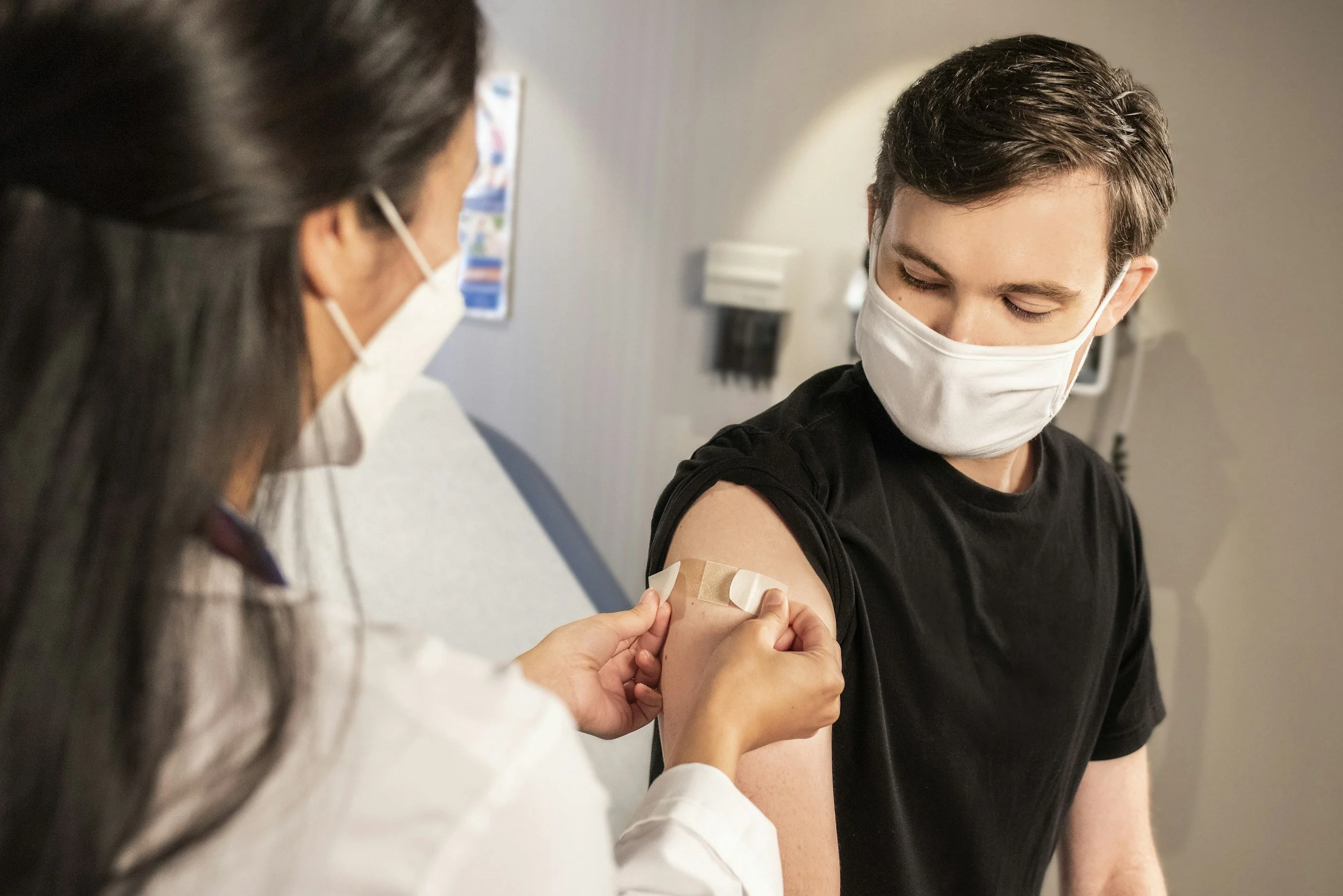
Vaccine & Immunization Advertising Guide: Reaching People Where Vaccine Decisions Happen
Explore effective immunization advertising strategies that connect public health agencies with families, parents, and underserved communities. Discover how place-based OOH and DOOH campaigns increase vaccine awareness, build trust, and encourage immunization through targeted messaging in healthcare settings, pharmacies, schools, and community locations.
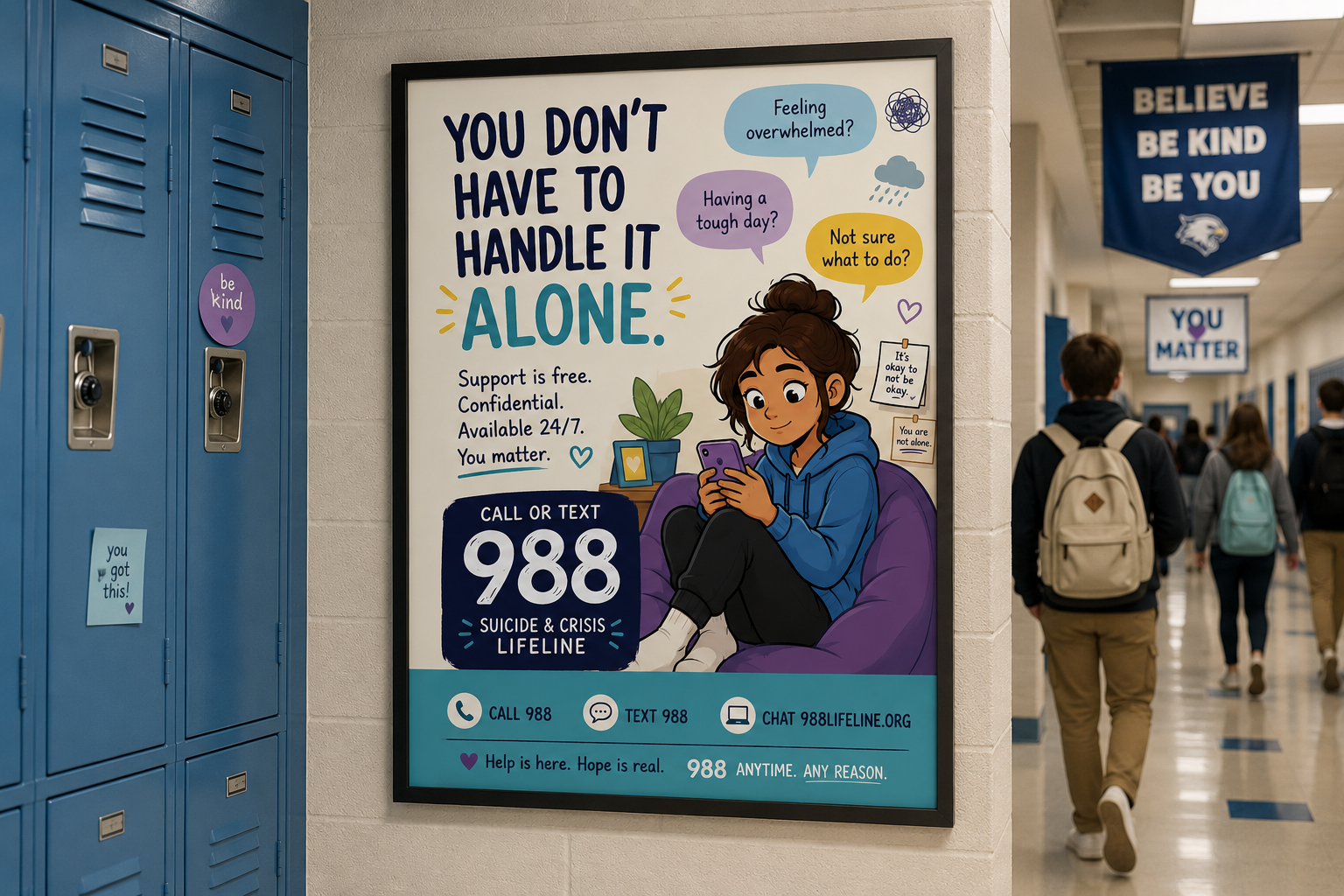
Public Health Advertising: Strategies, Examples & Place-Based Campaign Planning
From tobacco control campaigns to nutrition awareness initiatives, these advertisements play a crucial role in educating and influencing behavior change. By leveraging the power of media and creative storytelling, public health advertising can effectively reach large audiences and drive positive health outcomes.
Fentanyl Awareness Campaigns: Examples That Work and Why
Real fentanyl awareness campaign examples from state agencies and federal partners — including Texas "One Pill Kills" and SAMHSA Fentanyl Awareness — and what made each one work.

What is Tourism Marketing? A Quick Definition
Tourism marketing promotes destinations, attractions, and travel experiences to potential visitors. Here's a quick definition of what it is, who does it, and how place-based OOH fits into the channel mix.
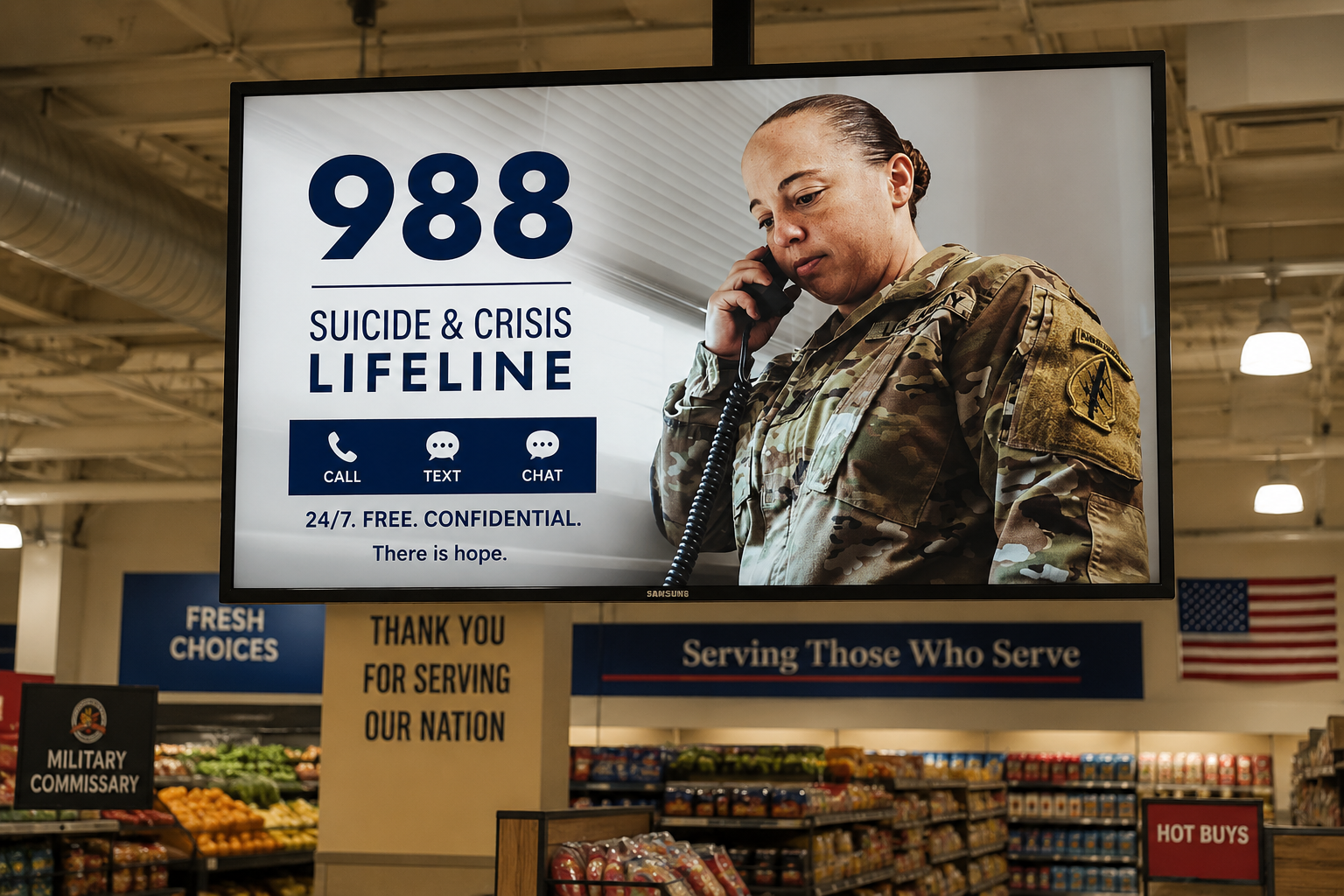
Advertising on Military Bases: How to Reach Active-Duty, Veterans, and Military Families with Place-Based OOH
Place-based OOH advertising on military bases reaches active-duty service members, military families, and veterans in commissaries, exchanges, fitness centers, and on-base medical facilities. Here's how it works and how to buy.
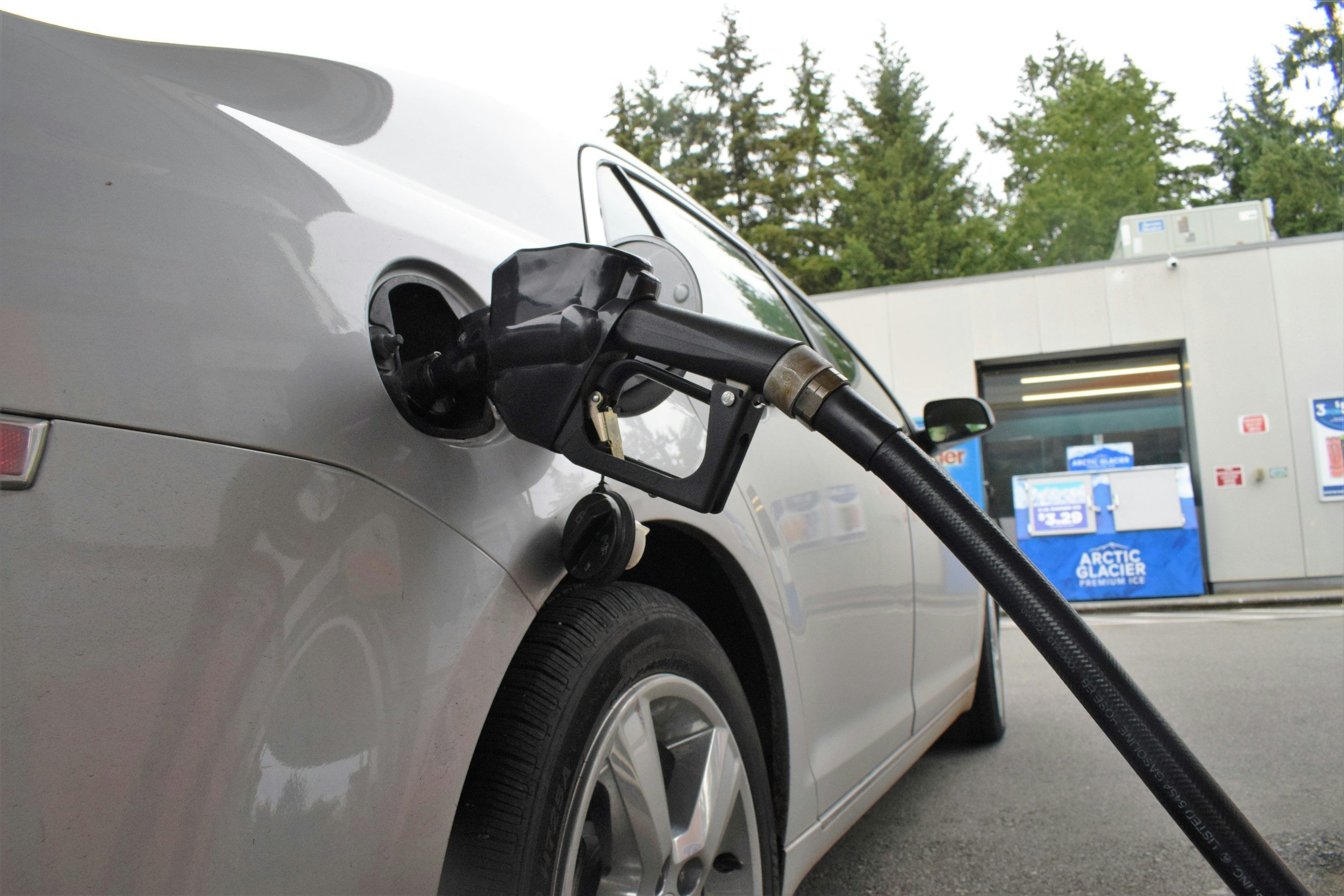
Drive-Market Tourism Advertising: How to Reach Visitors Within a 4-Hour Drive
The population within a four-hour drive is the highest-value audience for most tourism offices. Here's how drive-market tourism advertising reaches them at gas stations, c-stores, and travel plazas — where travelers are already in trip mode.

The Complete Guide to Tourism Marketing
Tourism marketing is how state, county, and city tourism offices drive visitation and in-state spending. This guide covers place-based OOH strategy, venue mix by program type, drive-market and feeder-DMA targeting, seasonal timing, and the audit-ready measurement public dollars require.
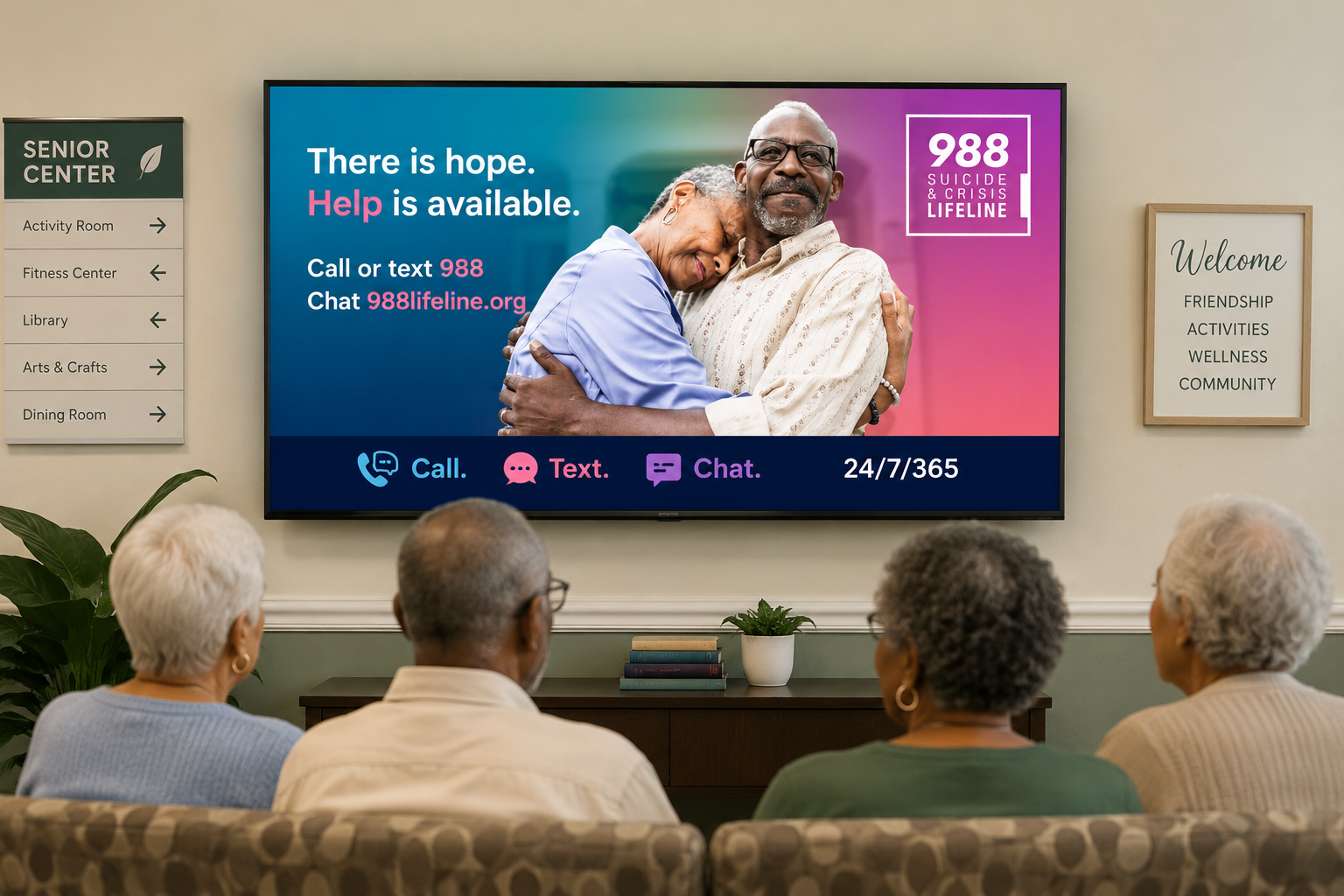
PlaceBased Expands Senior Education Network Nationwide to Reach Audiences 65+
PlaceBased has expanded its Senior Education Network nationwide, bringing trusted health and community messaging into the everyday places older adults visit most—senior centers, senior living facilities, pharmacies, clinics, and faith-based organizations across all 50 states. The expansion gives public health agencies, nonprofits, and brands a direct, dignified path to reach audiences 65+ where attention is high and trust is already established.

What is Place-Based Advertising? The Complete Guide to Location-Based OOH Media
Place-based advertising — the subset of out-of-home media placed inside specific venues where target audiences naturally gather — grew faster than the broader OOH market in 2025 and now defines how serious advertisers reach audiences digital can't. Here's what it is, how it differs from billboards, the major venue types, what it costs, and how to plan a campaign that delivers in 2026

The Accountability Gap in Place-Based Advertising
Place-based OOH advertising is entering a new era of accountability. PlaceBased Media has now passed two consecutive AAM audits, delivering 113.3% and 111% of guaranteed distribution. Here's what those numbers verify — and why independent third-party audits matter for media planners, public health agencies, and pharmaceutical brands.

Substance Use Prevention Advertising: Place-Based OOH Strategies for Overdose, Tobacco, Cannabis & Opioid Campaigns
In 2024, U.S. drug overdose deaths fell 27% — the largest single-year decline ever recorded by the CDC. Here's why sustained, place-based prevention advertising in clinics, schools, bars, and harm reduction sites became part of the story, and how to build a substance use campaign that actually moves the curve.
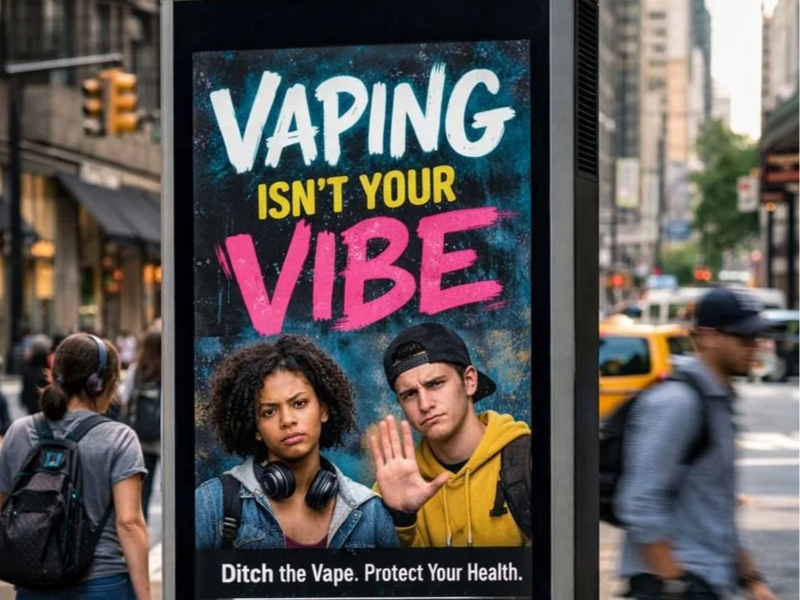
Teen Advertising & Youth Marketing: The Ultimate Guide
Learn how youth and teen advertising reaches young people through high schools, colleges, community centers and other trusted environments. Explore OOH and DOOH formats, creative best practices, public health applications, recruitment strategies and campaign measurement.
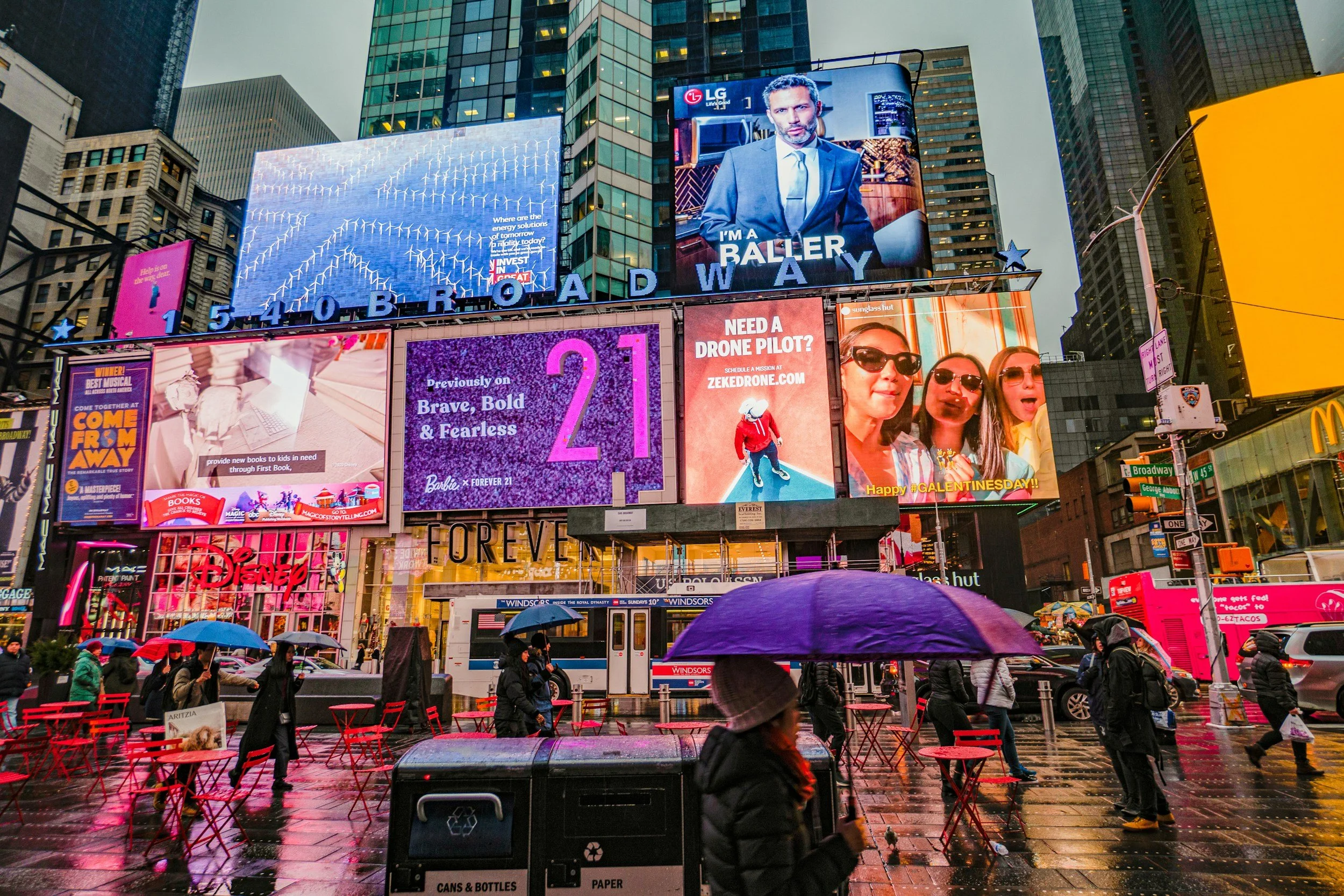
How to Buy DOOH Advertising: A Complete Guide to Programmatic and Direct Buys
Buying DOOH advertising comes down to two methods: direct buy for guaranteed placement and venue precision, or programmatic for speed and flexibility. Here's a step-by-step guide to both.

How to Reach SGM Young Adults with Place-Based OOH Advertising
Sexual and Gender Minority (SGM) young adults — typically ages 18 to 29 — represent one of the most important and underserved audiences in public health outreach today. The community is also growing at a pace few demographic categories ever have. According to Gallup's generational tracking, the share of adults identifying as LGBTQ+ has roughly doubled with every cohort: 1% of the Silent Generation, 2.5% of Baby Boomers, 4.5% of Gen X, 10% of Millennials, and now 22% of Gen Z. That last figure is not a margin-of-error blip. It represents tens of millions of young adults who are increasingly visible, increasingly out, and increasingly central to the public health landscape — and whose health needs the traditional system has not historically been built to meet.
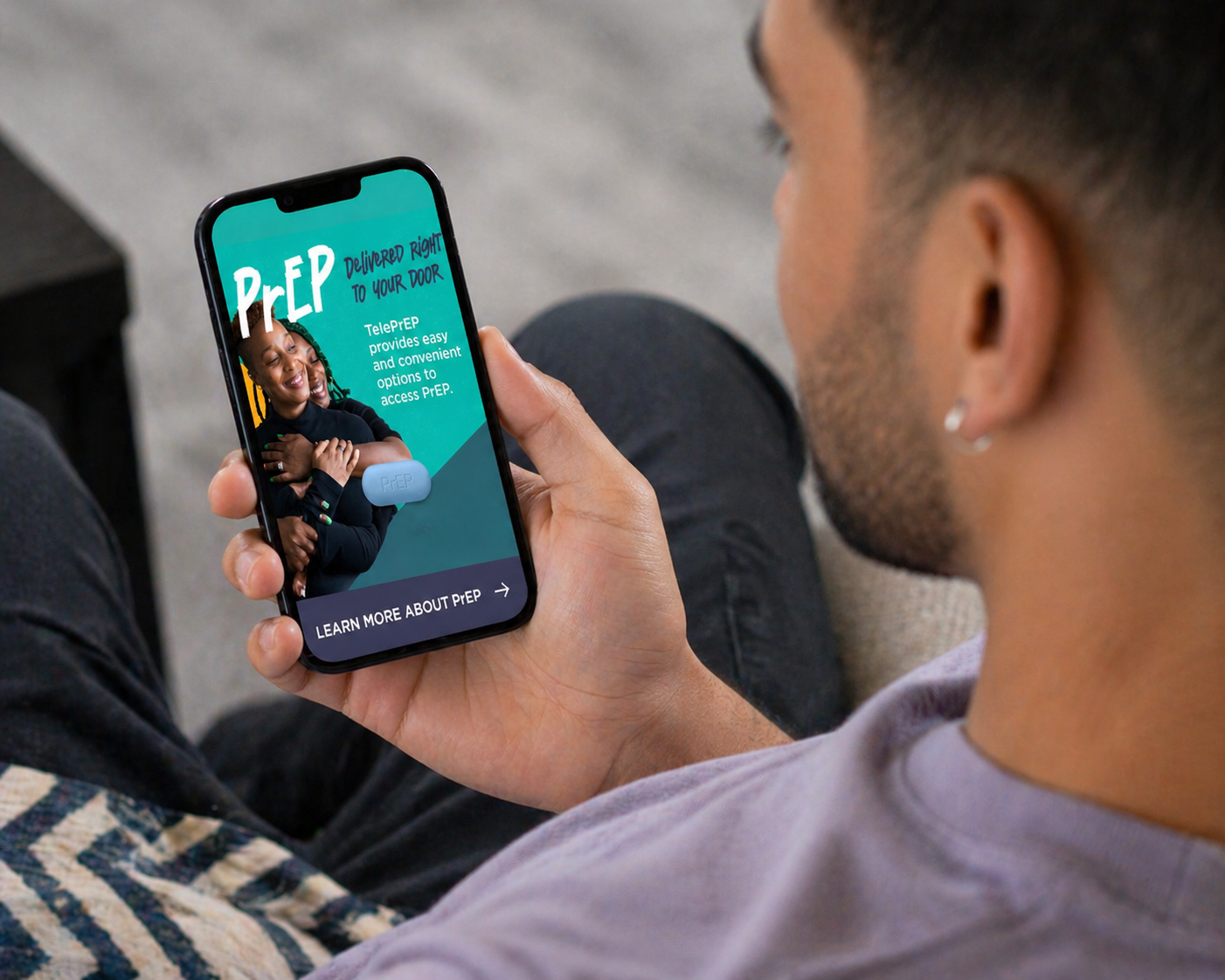
What an HIV Prevention Pilot in the U.S. South Can Teach Public Health Marketers About Reaching Hard-to-Find Audiences
Three weeks into a digital HIV prevention campaign, the dashboard looked fine — hundreds of thousands of impressions, hundreds of clicks. Then the team checked the landing page. Almost no one was engaging. Here's how they diagnosed the problem, pivoted in real time, and what their methodology means for public health marketers running campaigns on tight budgets.