WIC Enrollment Campaigns: Reaching Eligible Families Through OBGYN Office, Daycares, and Grocery Stores
Nearly half of all families eligible for the Special Supplemental Nutrition Program for Women, Infants, and Children (WIC) aren’t enrolled. That’s millions of pregnant women, new parents, and young children missing out on free nutritious food, nutrition counseling, breastfeeding support, and healthcare referrals — benefits specifically designed to give them a healthier start.
The problem isn’t that families don’t need WIC. It’s that many never hear about it, don’t realize they qualify, or face barriers that make enrollment feel out of reach. For WIC agencies and public health organizations looking to close this gap, the answer lies in meeting families where they already are: in their doctor’s office, at their child’s daycare, and in the aisles of their local grocery store.
The Participation Gap Is Real — and It’s Growing
WIC served roughly 6.7 million participants per month in fiscal year 2024, including an estimated 41 percent of all infants born in the United States. While participation has ticked upward for three consecutive years after more than a decade of decline, the program still reaches only about half of all eligible individuals.
The drop-off is especially steep among certain groups. Coverage rates for children ages 1 through 4 are consistently the lowest of any WIC category — participation falls steadily as children age, with 1-year-olds far more likely to be enrolled than 4-year-olds. Pregnant women also represent a major missed opportunity: research from the Center on Budget and Policy Priorities found that more than four in five WIC-eligible pregnant Medicaid enrollees were not accessing WIC benefits, despite being automatically income-eligible.
These numbers tell a clear story. Eligibility alone doesn’t drive enrollment. Families need to be reached with the right message, at the right moment, in the right place.
OBGYN Offices: Catching Families at the Earliest Moment
Pregnancy is often the first time a family becomes eligible for WIC, making OBGYN and prenatal care offices one of the most natural enrollment touchpoints. A woman who just learned she’s pregnant and is already sitting in a healthcare setting is primed to hear about a program offering free food, nutrition guidance, and breastfeeding support.
The American College of Obstetricians and Gynecologists (ACOG) has recognized this potential, partnering with the National WIC Association on community-driven initiatives that connect women’s health providers directly with local WIC agencies. Through these collaborations, 30 local WIC agencies across the country have built interventions that embed WIC awareness into clinical settings — from training nurses and front-desk staff on WIC eligibility basics to placing referral materials in exam rooms and waiting areas.
What Effective OBGYN-Based Outreach Looks Like
• Provider-initiated referrals. When an OBGYN or midwife personally recommends WIC during a prenatal visit, it carries far more weight than a flyer on a bulletin board. Training clinical staff to screen for eligibility and make warm referrals — ideally with a direct phone number or a pre-filled referral form — turns a passive mention into an active enrollment pathway.
• “Prescription pad” outreach. Some WIC-provider partnerships have developed non-pharmaceutical prescription pads that clinicians use to “prescribe” WIC enrollment, healthy eating, and exercise. The format is familiar and carries the authority of a medical recommendation.
• Co-located services. In communities where WIC clinics operate within or adjacent to healthcare facilities, enrollment becomes nearly frictionless. Patients can walk down the hall after their prenatal appointment and begin the WIC application process the same day.
• Staff education. Many communities have implemented “WIC 101” trainings for OBGYN offices, ensuring that physicians, nurses, medical assistants, and billing staff all understand who qualifies, what WIC provides, and how to connect patients. The more people in a clinical setting who understand WIC, the more likely an eligible patient is to hear about it.
The key insight here is that healthcare providers are among the most trusted messengers a family will encounter. A recommendation from a doctor doesn’t feel like a government program pitch — it feels like medical advice.
Daycares & Early Childhood Settings: Reaching Families After Birth
If prenatal care is the ideal moment to reach pregnant women, childcare settings are the ideal place to reach families with infants and young children — the very population most likely to fall through WIC’s cracks as children age past their first birthday.
Daycares, preschools, Head Start programs, and family childcare homes serve as daily touchpoints for parents of children under five. These are environments where families already think about their children’s nutrition, development, and health. They’re also staffed by people parents know and trust.
Strategies for Daycare-Based WIC Outreach
• Enrollment events on-site. Hosting WIC information sessions or enrollment drives at daycare centers removes a major barrier: the extra trip. Parents who might not seek out a WIC office on their own can learn about the program and start the process during drop-off, pick-up, or a parent night.
• Training childcare providers as WIC ambassadors. Daycare staff interact with families daily. When they’re equipped with basic knowledge about WIC eligibility and can hand a parent a referral card or a QR code linking to an online application, they become an organic part of the outreach ecosystem.
• Partnering with Head Start and Early Head Start. These programs already serve low-income families and often have infrastructure for benefits coordination. Many Head Start sites actively screen families for WIC eligibility, and formalizing that partnership can create a reliable enrollment pipeline.
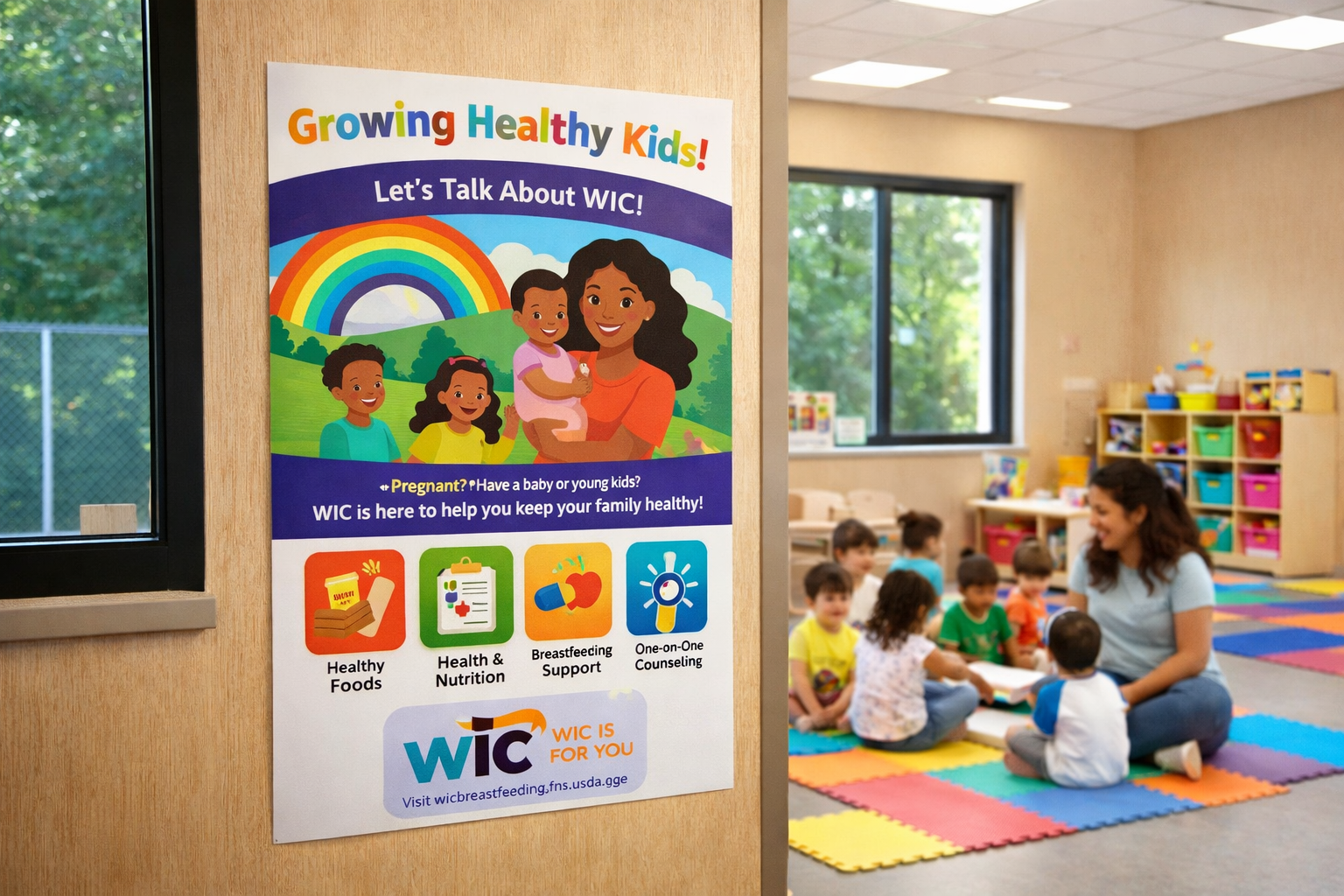
• Multilingual materials in high-traffic areas. Posting WIC information near sign-in sheets, cubbies, and parent communication boards — in the languages families actually speak — keeps the program visible without requiring a special event or conversation.
The daycare channel is particularly valuable for re-enrollment. Families who participated in WIC when their child was an infant may not realize they remain eligible until the child turns five. A reminder in the setting where they spend time every day can re-engage families who have lapsed.
Grocery Stores: Meeting Families in the Moment of Need
Grocery stores are where the reality of food costs hits hardest. For a family stretching a tight budget, the produce aisle can feel like a daily reminder of what’s out of reach. That tension makes the grocery store a powerful place to introduce WIC — a program that directly offsets the cost of fruits, vegetables, dairy, whole grains, and other nutritious staples.
Many grocery retailers already participate in WIC as authorized vendors, accepting WIC EBT cards for approved food purchases. But the relationship between WIC and the retail environment can go far beyond transactions.
How Grocery Store Partnerships Drive Enrollment
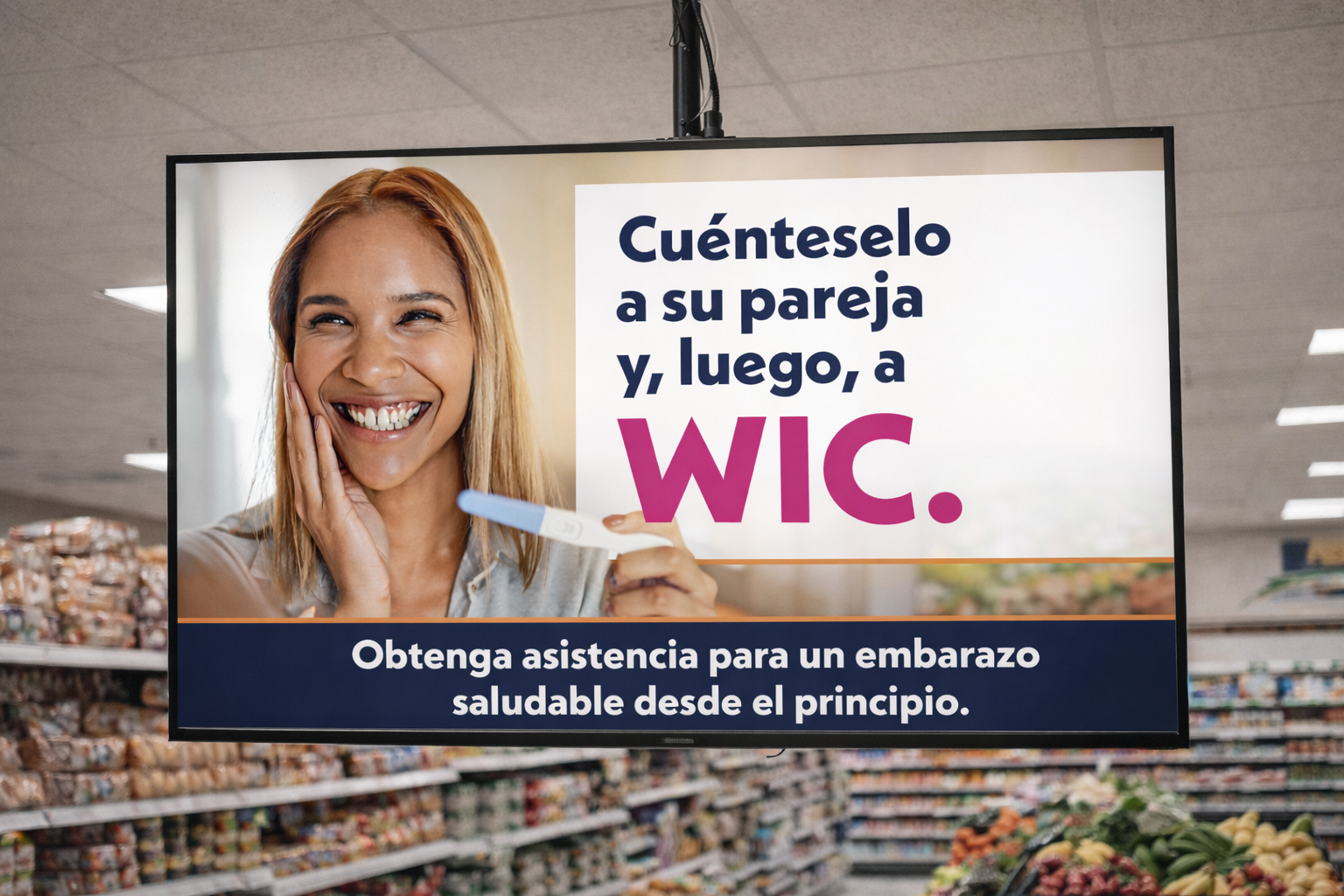
• In-store signage and shelf tags. Clear, welcoming signage near WIC-approved products lets shoppers know that these items can be purchased with WIC benefits. For families who aren’t enrolled, it raises a natural question: “Could I qualify for this?” Signs near baby formula, produce, and dairy sections are especially effective.
• Dedicated WIC shopping assistance. Some stores and WIC programs have implemented in-store support staff or WIC-specific shopping guides who help current participants navigate approved items and help prospective participants understand what WIC offers. WIC grocery sites — stores exclusively for WIC participants — take this a step further, offering nutrition classes, food tastings, and a streamlined shopping experience.
• Checkout counter and customer service outreach. Cashiers and customer service staff can be trained to recognize when a shopper might benefit from WIC and offer a referral card. Placing multilingual WIC brochures near checkout counters or customer service desks puts information directly in families’ hands at the moment they’re most aware of their food budget.
• Community events and cooking demos. Grocery stores that host WIC-branded nutrition events, healthy cooking demonstrations, or farmers’ market days create a positive, low-pressure environment for families to learn about the program. These events also reinforce WIC’s core mission — not just providing food, but promoting healthier eating habits.
• Retailer-driven referral systems. Forward-thinking grocery chains can integrate WIC referral information into their loyalty apps, receipts, or digital communications. A message like “You may qualify for free nutritious food through WIC — learn more” targeted to shoppers in relevant demographics can reach families at scale.
Building a Coordinated Outreach Strategy
The most effective WIC enrollment campaigns don’t treat these channels in isolation. They build a coordinated ecosystem where OBGYN offices, daycares, and grocery stores reinforce the same message through different trusted touchpoints.

A pregnant woman hears about WIC from her OBGYN. She sees a poster at the grocery store when she’s buying prenatal vitamins. After her baby is born, her daycare provider mentions that WIC covers infant formula and baby food. Each interaction builds familiarity and lowers the barrier to enrollment.
Coordination in Practice
• Unified messaging and materials. Develop a consistent communications toolkit — posters, flyers, social media assets, referral cards — that all partners use. Organizations like the West Side WIC Alliance in Chicago have built exactly this kind of framework, creating customizable materials that unify messaging across healthcare partners, WIC clinics, grocery stores, and community organizations.
• Simplified referral pathways. Make it easy for any partner to refer a family. Online referral forms, QR codes that link to pre-screening tools, and dedicated phone lines reduce the friction between “I think you might qualify” and an actual WIC appointment. Several states have implemented online referral systems that allow healthcare providers, community organizations, and families themselves to submit referrals directly.
• Cross-training across partners. When OBGYN staff understand what happens at a WIC appointment, when daycare providers know which foods WIC covers, and when grocery store employees can explain the eWIC card, every partner becomes a more effective ambassador. Regular joint trainings keep information current and relationships strong.
• Data-informed targeting. Use enrollment and demographic data to identify where the gaps are. If participation among children ages 2 to 4 is lagging, focus outreach on preschools and daycares. If prenatal enrollment is low in a particular zip code, prioritize partnerships with OBGYN practices in that area.
• Leveraging adjacent program enrollment. More than half of WIC-eligible individuals receiving Medicaid or SNAP are not enrolled in WIC, despite being automatically income-eligible. Building referral bridges between these programs can dramatically expand reach without requiring families to seek out WIC on their own.
Addressing the Barriers Behind the Numbers
Even the best outreach strategy will fall short if it doesn’t account for the real barriers families face. Some of the most common obstacles to WIC enrollment include:
• Stigma. Many eligible families don’t enroll because they associate government nutrition programs with shame or judgment. Outreach messaging should emphasize that WIC is a health and nutrition program — not welfare — and that it exists specifically to give children the healthiest possible start.
• Logistical challenges. Requiring in-person appointments, documentation, and physical presence for every household member can be a significant burden for working parents, families without reliable transportation, or those managing complex schedules. The expansion of remote appointments, online applications, and phone-based certifications should be preserved and promoted.
• Awareness gaps. Many families simply don’t know WIC exists, don’t know they qualify, or have outdated information about what the program provides. Outreach should be specific and concrete: “WIC provides free fruits, vegetables, milk, eggs, cereal, and more for your family” resonates more than a general description.
• Language and cultural barriers. WIC serves a diverse population. Outreach materials, referral processes, and enrollment support must be available in the languages families speak. Oregon’s WIC program, for example, offers outreach materials in over a dozen languages including Arabic, Burmese, Somali, and Ukrainian — a model worth replicating.
The Bottom Line
WIC is one of the most effective public health nutrition programs in the country. It’s linked to healthier pregnancies, reduced rates of iron-deficiency anemia, improved dietary intake, and better health outcomes for mothers and children. But none of those benefits matter if eligible families never enroll.
Closing the participation gap requires moving beyond traditional outreach and embedding WIC into the places families already go and the people they already trust. OBGYN offices offer the earliest intervention point. Daycares and childcare settings provide ongoing visibility during the critical early childhood years. Grocery stores connect the program to the daily reality of feeding a family.
When these channels work together — with consistent messaging, simplified referral pathways, and a shared commitment to reaching every eligible family — WIC enrollment campaigns can move from incremental improvements to transformational impact. The families are out there. The benefits are waiting. The only missing piece is the connection.
Ready to boost WIC enrollment in your community? Download our free outreach toolkit and start connecting eligible families with the benefits they deserve. Fill out the form below to get started.