Marketing to Rural Populations
Rural marketing reaches people outside major metros through the local places they rely on: pharmacies, clinics, grocery stores, schools, and community venues. PlaceBased Media's Rural Health Education Network carries public health, telehealth, maternal health, and workforce messages into these high-trust settings, helping states, agencies, and organizations reach underserved rural communities.
300+ U.S. markets · AAM-audited delivery · English, Spanish + 15 more languages · Fully managed
Rural audiences aren't hard to reach — they're just underserved by traditional media.
Across the U.S., rural residents turn to local, trusted spaces like pharmacies, clinics, grocery stores, schools, and community venues for information, care, and connection. These places are central to everyday life and decision-making — making them some of the most effective channels for delivering meaningful, actionable messaging.
PlaceBased connects public health programs, workforce initiatives, and community resources directly to rural audiences through our Rural Health Education Network. By meeting people inside the familiar, high-trust settings they already rely on, we help states, agencies, and organizations drive awareness, adoption, and real-world impact across key priorities:
• Workforce development
• Health education
• Maternal and family health
• Telehealth adoption
• Health access expansion
• Rural equity
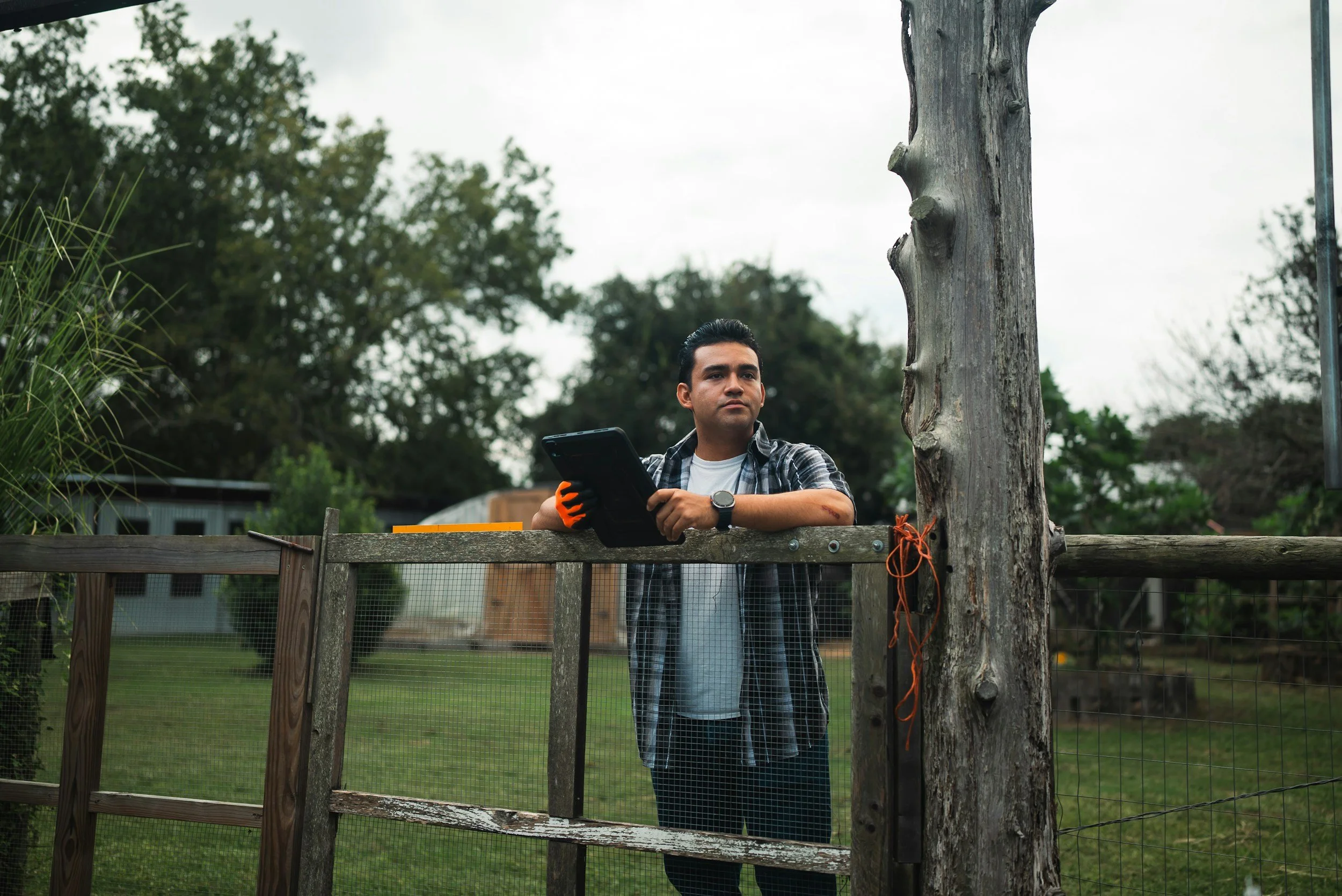
Reaching Rural Communities Where Trust Already Exists
Across the U.S., rural populations rely on local, trusted environments for information, services, and care. Pharmacies, clinics, grocery stores, schools, and community venues aren't just places people pass through — they're anchors of daily life and the most effective touchpoints for rural health communication.
PlaceBased specializes in connecting public health messaging, workforce development programs, and community resources directly to rural audiences through our Rural Health Education Network — a national network of high-impact, place-based locations designed to drive awareness, engagement, and measurable outcomes in underserved communities.

Who Are Rural Audiences
Rural audiences include:
Individuals and families living outside major metropolitan areas
Older adults and aging populations
Working families and essential workers
Students and young adults in rural schools and trade programs
Tribal and Indigenous communities
Agricultural and resource-based workers
Populations facing limited access to healthcare, transportation, and broadband
While diverse, rural audiences share common traits: strong community ties, reliance on local institutions, and high trust in familiar environments.
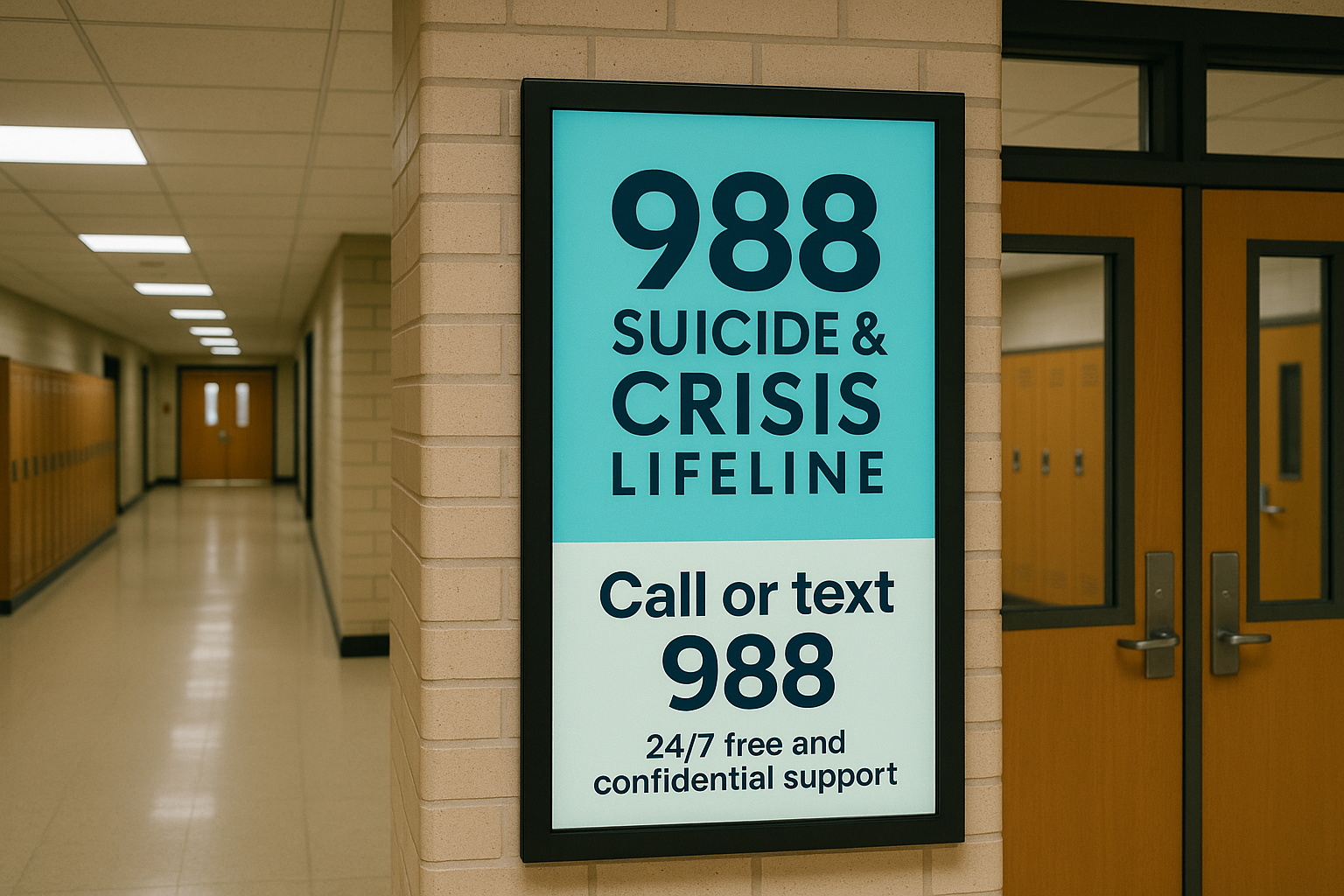
Delivering Real Rural Impact at Scale
Rural Out-of-Home (OOH) Inventory Within the PlaceBased Network
PlaceBased’s Rural Health Education Network leverages trusted, high-visibility community locations to ensure public health messages reach rural audiences consistently and effectively. Inventory includes:
Rural Health Clinics & Community Health Centers
Waiting rooms, exam-room corridors, and patient-facing common areasIndependent & Regional Pharmacies
Digital screens and static posters at the point of care and prescription pickupGrocery Stores & Local Markets
Indoor posters and digital placements in essential, high-frequency shopping environmentsGas Stations & Convenience Stores
Interior displays reaching rural commuters and daily errand trafficLibraries & Community Centers
High-trust civic spaces ideal for education-forward messagingK–12 Schools
Select placements supporting youth, family, and caregiver-focused initiativesCommunity Colleges & Technical Colleges
High-visibility placements reaching students, adult learners, and workforce populationsUniversities & Regional Campuses
Student centers, common areas, and academic buildings in rural and regional marketsFaith-Based & Nonprofit Community Facilities
Trusted gathering spaces serving multi-generational rural audiencesRestaurants & Family Dining Locations
Indoor posters and mirror clings in family-friendly establishmentsWorkforce & Trade-Oriented Locations
Venues frequented by rural labor, agricultural, and industrial workers
Why is Public Health Marketing Important for Rural Populations?
Public health marketing is important for rural populations for several reasons:
Limited access to healthcare: Rural populations often have limited access to healthcare facilities and services, which can result in poor health outcomes. Public health marketing can help raise awareness about preventive measures and available resources.
Unique health challenges: Rural populations face unique health challenges, such as exposure to environmental toxins, lack of physical activity, and poor nutrition. Public health marketing campaigns can address these challenges by promoting healthy lifestyle choices and educating people on how to reduce their risk of disease.
Cultural considerations: Rural populations may have different cultural beliefs and values that impact their health behaviors. Public health marketing campaigns can be tailored to address these cultural considerations and increase the effectiveness of the messaging.
Targeted messaging: Public health marketing campaigns can use targeted messaging to reach specific populations within rural areas, such as farmers, migrant workers, and indigenous communities. This can help ensure that the messaging is relevant and resonates with the intended audience.
Overall, public health marketing is important for rural populations to address their unique health challenges and promote healthy behaviors, ultimately improving their health outcomes.
Let’s Talk.
We understand the unique characteristics and potential of rural markets. If you are looking to tap into the opportunities offered by rural areas or have any inquiries regarding our rural marketing services, please contact us. We are excited to discuss how we can help you effectively reach and engage with rural communities to maximize your organizations growth in these areas.

