How to Plan a Public Health Campaign: A Step-by-Step Guide for Organizations That Need Real-World Results
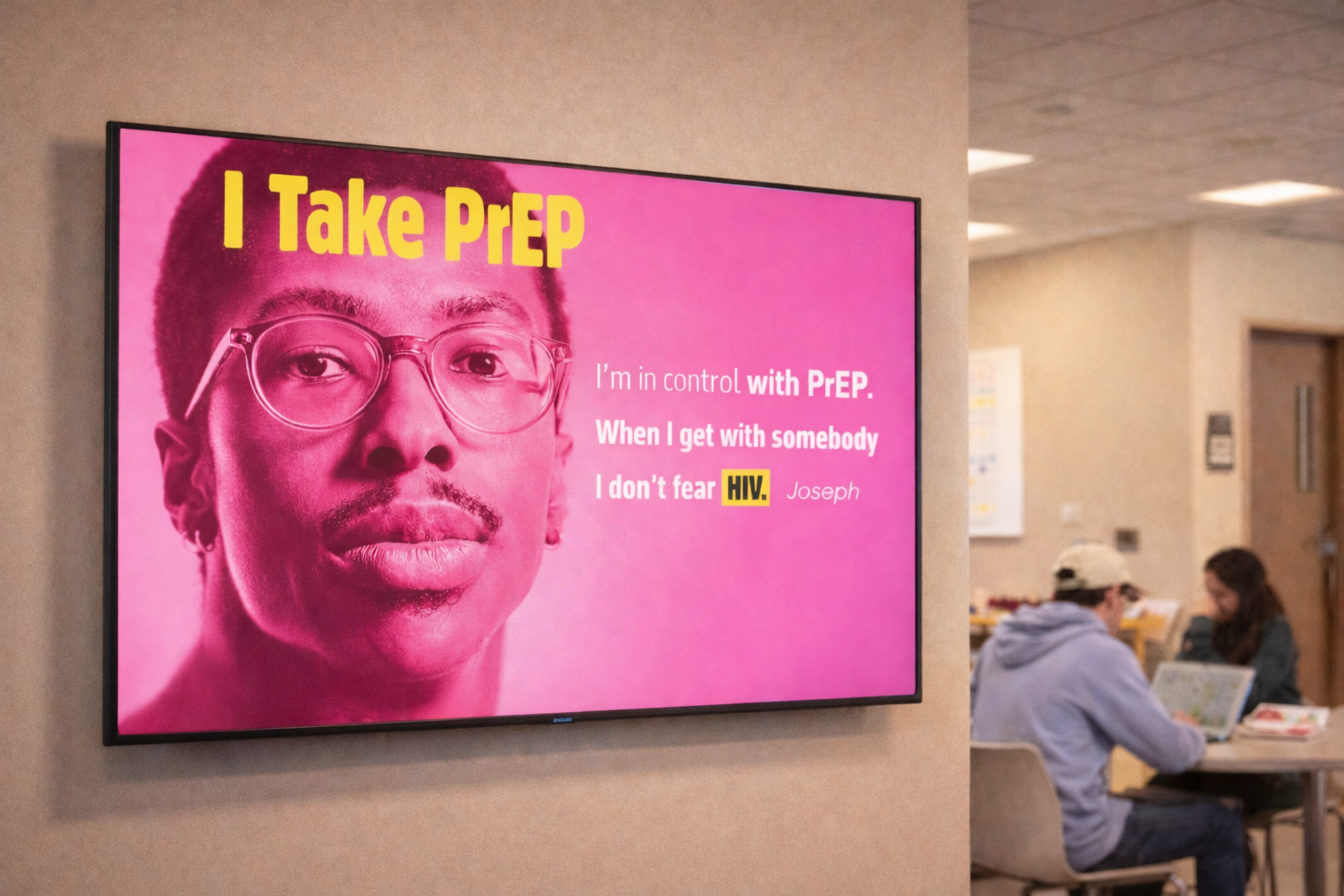
Planning a public health campaign that actually changes behavior takes more than good intentions. In this guide, we'll walk you through every phase — from defining your audience and crafting your message to selecting the right media channels, launching your campaign, and measuring what worked.
In This Article
What Is a Public Health Campaign?
A public health campaign is a coordinated effort to promote awareness, change behavior, or drive action around a specific health issue within a defined population. These campaigns use strategic communication — across multiple channels and touchpoints — to reach the right people with the right message at the right time.
Public health campaigns can address virtually any health issue: vaccination uptake, tobacco and vaping prevention, overdose awareness, mental health stigma reduction, chronic disease management, nutrition education, sexual health, maternal health, and more. They're run by a wide range of organizations — from federal agencies like the CDC, HHS, and FDA, to state and local health departments, hospitals, nonprofits, community-based organizations, and private-sector partners with a social impact mission.
What separates a successful campaign from one that gets ignored? Planning. The campaigns that drive measurable behavior change are the ones that start with clear objectives, deep audience understanding, culturally relevant messaging, a smart channel strategy, and a plan for measuring what actually worked. That's what this guide is about.
This step-by-step planning guide pairs naturally with our broader guide to public health campaign advertising, which covers the channel and measurement strategy that supports the planning framework below.
Why Planning Matters More Than You Think
It's tempting to jump straight into creative development — designing posters, writing copy, choosing colors. But campaigns that skip the planning phase almost always underperform. Without a clear strategy, you end up with generic messaging that doesn't resonate, media placements that miss your audience, and no way to measure whether the campaign made a difference.
A well-planned campaign does the opposite. It targets the specific populations most affected by the health issue. It delivers messages that reflect the cultural context, language, and lived experience of those communities. It places those messages in channels and environments where the audience is naturally present and receptive. And it builds in measurement from day one so you can track progress, optimize in real time, and demonstrate impact to funders and stakeholders.
The Bottom Line
Every dollar spent on planning saves multiple dollars in execution. The most impactful public health campaigns aren't the ones with the biggest budgets — they're the ones with the clearest strategy.
8 Steps to Planning a Public Health Campaign
This is the framework we use at PlaceBased when working with public health organizations, government agencies, and community partners to plan campaigns that deliver measurable results. Whether you're running a national initiative or a hyper-local community effort, these steps apply.
Step 1
Define the Health Issue & Campaign Objective
Start by getting specific. What is the health issue you're addressing? Who is it affecting? And what, exactly, do you want this campaign to accomplish?
Your objective should be measurable and behavior-oriented — not just "raise awareness." Strong objectives sound like: "Increase naloxone distribution by 25% in target zip codes over 90 days." Or: "Drive a 15% increase in flu vaccination appointments among Hispanic adults ages 50+ during the fall season." The more specific your objective, the easier it is to design a campaign that hits it and measure whether you succeeded.
Step 2
Research & Segment Your Audience
Who are you trying to reach? And what do you know about how they think, behave, and make decisions about their health?
Audience research goes beyond basic demographics. You need to understand the barriers your audience faces — whether that's lack of access, language, stigma, mistrust of institutions, or competing priorities. Segment your audience into groups that share similar characteristics and tailor your approach to each. A campaign targeting young adults in nightlife venues requires a completely different tone, channel mix, and creative strategy than one reaching elderly patients in rural clinics.
Use available data sources: census data, health department surveillance reports, community health needs assessments, and — if possible — qualitative input from focus groups, community partners, and on-the-ground stakeholders who know the population firsthand.
Step 3
Develop Your Core Messaging
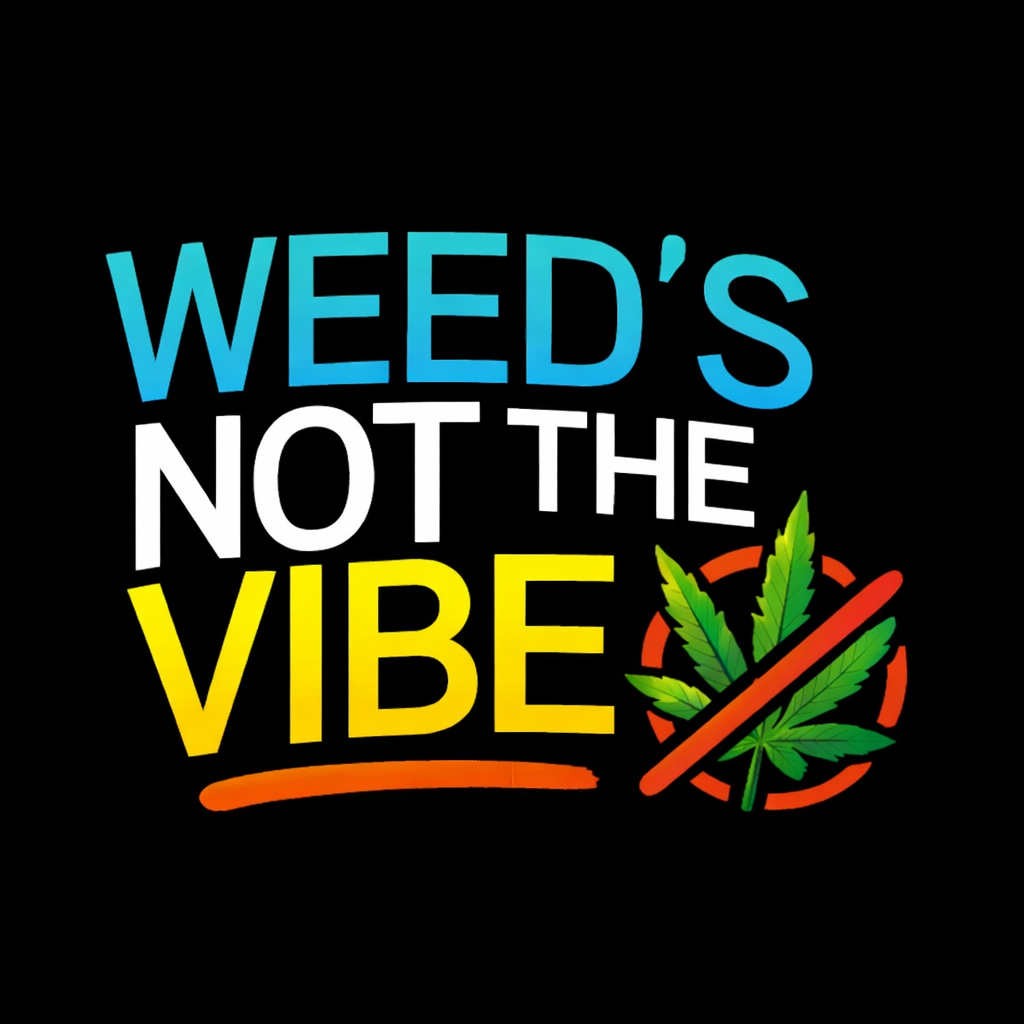
Your message is the heart of the campaign. It needs to be clear, concise, culturally relevant, and action-oriented. Every audience segment should see messaging that feels like it was made for them — because it was.
Focus on one to three core messages per campaign. Keep the language simple and direct. Avoid clinical jargon. Lead with what the audience cares about, not what the organization cares about. And always include a clear call to action: what do you want people to do after they see this message? Call a hotline? Visit a website? Get screened? Pick up naloxone?
If you're reaching multilingual or multicultural populations, invest in culturally adapted messaging — not just direct translation. What resonates in English may not land the same way in Spanish, Mandarin, or Haitian Creole. Work with community partners and cultural consultants to get this right.
Step 4
Select Your Media Channels
This is where strategy meets execution. Your channel mix should be driven by where your audience actually spends time — not by what's easiest to buy or most familiar to your team.
Most effective public health campaigns use a multi-channel approach that combines digital (social media, search, display, email), traditional (TV, radio, print), and physical (out-of-home, community events, point-of-care) touchpoints. The right mix depends on your audience, budget, geography, and campaign objectives. We'll break down channel selection in more detail below.
Step 5
Create Your Campaign Creative
Now it's time to bring the strategy to life. Your creative — the visuals, copy, and design of your campaign materials — needs to grab attention, communicate the message quickly, and drive the audience toward your call to action.
For out-of-home and place-based media, keep visuals bold and messages short. People in a clinic waiting room, a grocery store aisle, or a school hallway have limited time. Lead with a strong visual, use minimal text, and make the CTA impossible to miss. For digital channels, adapt the creative to each platform's format and audience behavior.
Test your creative with members of the target audience before launch. Even a small round of feedback — from community partners, focus groups, or trusted stakeholders — can catch messaging that misses the mark or imagery that doesn't resonate.
Step 6
Plan Your Media Placement & Venue Strategy
Where your message appears matters as much as what it says. For place-based OOH campaigns, venue selection is a strategic decision — not just a logistics task.
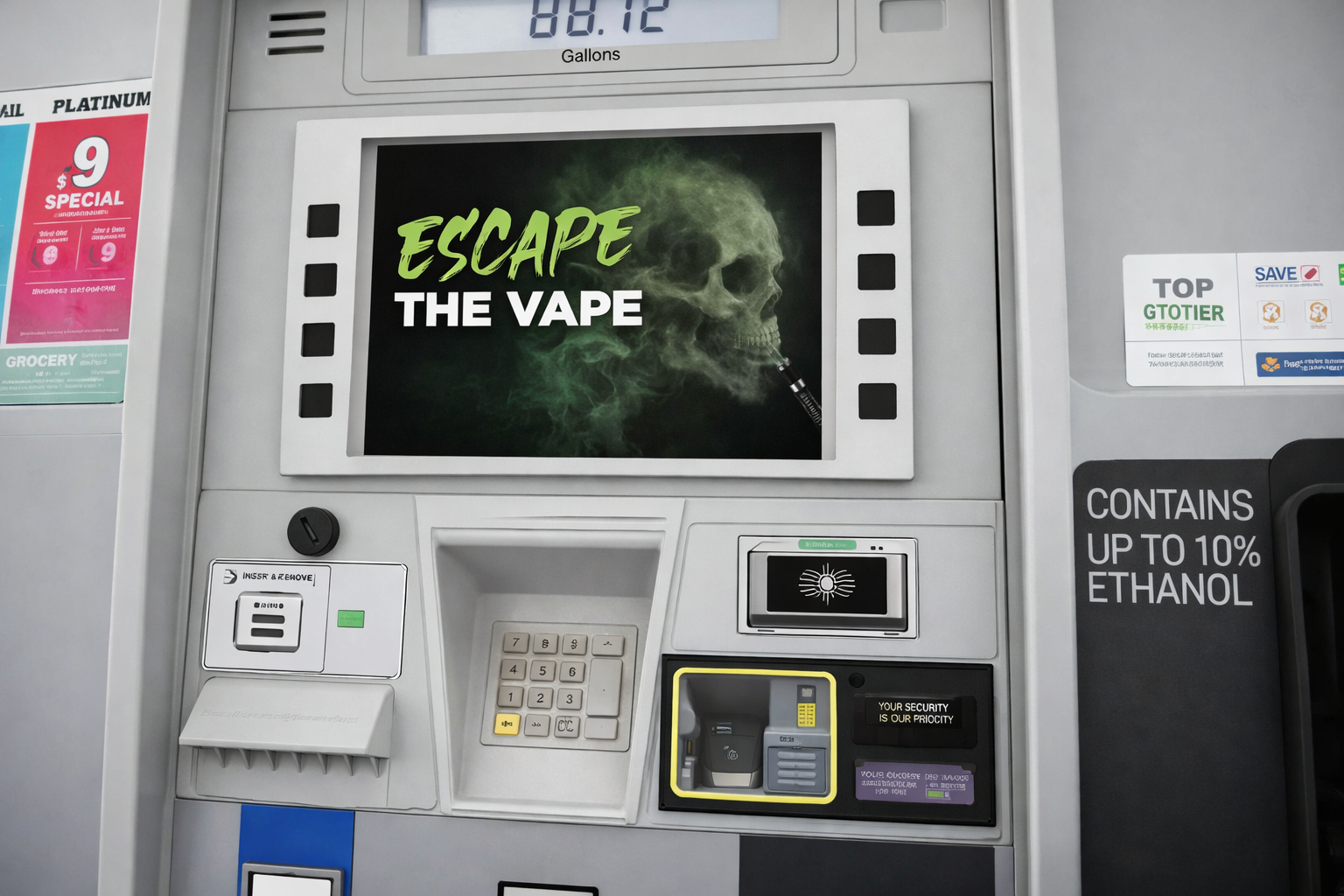
Select venues based on audience overlap, contextual relevance, and geographic targeting. A fentanyl awareness campaign belongs in bars, gas stations, and community centers in high-risk zip codes — not in suburban pediatric offices. A WIC enrollment campaign belongs in OBGYN clinics, daycares, and grocery stores where eligible families already shop. Match the venue to the message and the audience.
For digital channels, this step involves audience targeting, geo-fencing, platform selection, and ad scheduling. For traditional media, it's about market selection, daypart optimization, and format.
Step 7
Launch, Monitor & Optimize
Launch day is not the finish line — it's the starting line. Once the campaign is live, monitor performance in real time and be prepared to adjust.
For digital channels, track impressions, click-through rates, conversions, and engagement metrics daily. For place-based OOH, verify that materials are properly installed, displays are running, and venue partners are engaged. Conduct spot checks and request proof-of-performance documentation (venue photos, location maps, impression estimates).
If something isn't working — a creative isn't getting traction, a venue type is underperforming, a digital ad set is burning budget without converting — adjust. The best campaigns are built to be flexible.
Step 8
Measure Results & Report Impact
Measurement should be built into the campaign from Step 1 — not bolted on at the end. Define your key performance indicators (KPIs) upfront so you know exactly what success looks like.
Common KPIs for public health campaigns include: impressions and reach, QR code scans, website visits from campaign URLs, hotline call volume, screening or vaccination appointment increases, substance distribution (e.g., naloxone, fentanyl test strips), pre/post awareness survey results, and community partner feedback.
Compile your results into a clear, visual post-campaign report. Show what was planned, what was delivered, and what changed. This report is essential for demonstrating ROI to funders, building the case for future investment, and improving your next campaign.
Choosing the Right Media Channels
No single channel wins on its own. The most effective public health campaigns layer multiple channels to reach audiences across different moments in their day. Here's how the major channel categories compare:
Digital (Social Media, Search, Display, Email) — Great for targeting specific demographics, retargeting, and driving immediate clicks or conversions. Highly measurable. But limited reach among older adults, rural populations, and communities with low digital literacy or broadband access. Also subject to ad fatigue and ad blockers.
Traditional (TV, Radio, Print) — Strong for broad reach and general awareness. TV and radio still deliver large audiences, especially among older demographics. But expensive, difficult to target precisely, and hard to measure at the behavior-change level.
Place-Based Out-of-Home (OOH & DOOH) — Delivers messages in trusted, real-world environments where health decisions naturally occur. High contextual relevance, strong recall, and equitable reach across digital divides. Can be targeted by geography, venue type, and audience demographics. Complements both digital and traditional channels.
Community & In-Person (Events, Health Fairs, Outreach Workers) — Deepest engagement and trust-building. Essential for hard-to-reach populations. But labor-intensive, limited in scale, and difficult to standardize.
The right mix depends on your audience, budget, and objectives. For most public health campaigns, we recommend a combination of place-based OOH for broad, equitable reach in contextually relevant environments, digital for targeting and retargeting, and community partnerships for trust and depth.
Why Place-Based OOH Belongs in Your Media Mix
At PlaceBased, we specialize in the channel that most public health campaigns underutilize: place-based out-of-home media. Here's why it deserves a central role in your campaign plan:
It reaches people where health decisions happen. A message about diabetes management in a pharmacy waiting area. A vaping prevention PSA on a high school digital display. An overdose awareness poster in a bar restroom. These aren't interruptions — they're contextually relevant moments that align with what the audience is already thinking about.
It bridges the digital divide. Not everyone is online. Rural communities, older adults, lower-income households, and populations with limited broadband access are often missed by digital-only campaigns. Place-based OOH ensures your message reaches everyone who walks through the door — no login required.
It supports multicultural and multilingual outreach. Our network includes multicultural venues like ethnic grocery stores, cultural centers, barbershops and salons, and faith-adjacent spaces. Campaigns can be localized and adapted for Hispanic/Latin-X, BIPOC, LGBTQ+, and other priority audiences through venue-specific creative and placement.
It drives digital action. According to the OAAA, 76% of OOH viewers take action on their mobile device after seeing an ad. When paired with QR codes, SMS short codes, or custom landing page URLs, place-based OOH creates a measurable bridge between physical exposure and digital engagement.
Venue Selection by Campaign Type
Choosing the right venues is one of the most important decisions in a place-based public health campaign. Here's how we typically match campaign focus areas to venue types:
| Campaign Focus | Recommended Venues | Why It Works |
|---|---|---|
| Overdose / Harm Reduction | Bars & restaurants, gas stations, community centers, clinics | Reaches at-risk populations during natural dwell time in relevant social environments |
| Youth Mental Health | High schools, colleges, community centers, libraries | Meets students in trusted daily environments where help-seeking can happen immediately |
| Vaccination / Immunization | Clinics & pharmacies, grocery stores, community centers | Contextual relevance in healthcare settings plus broad reach in essential retail |
| Nutrition / Chronic Disease | Grocery stores, pharmacies, community centers, gas stations | Point-of-decision messaging where food and health choices are actively being made |
| Tobacco / Vaping Prevention | High schools, colleges, gas stations, convenience stores | Reaches youth and young adults at the point of purchase and in educational settings |
| Maternal & Child Health | OBGYN offices, daycares, grocery stores, WIC offices | Reaches eligible families in environments already connected to prenatal and child care |
| Veteran Mental Health | Community centers, veteran service organizations, clinics | Trusted community spaces where veterans already gather and access services |
| Multicultural Health Equity | Ethnic grocery stores, cultural centers, barbershops/salons, faith-adjacent venues | Culturally embedded environments that build trust and ensure representation |
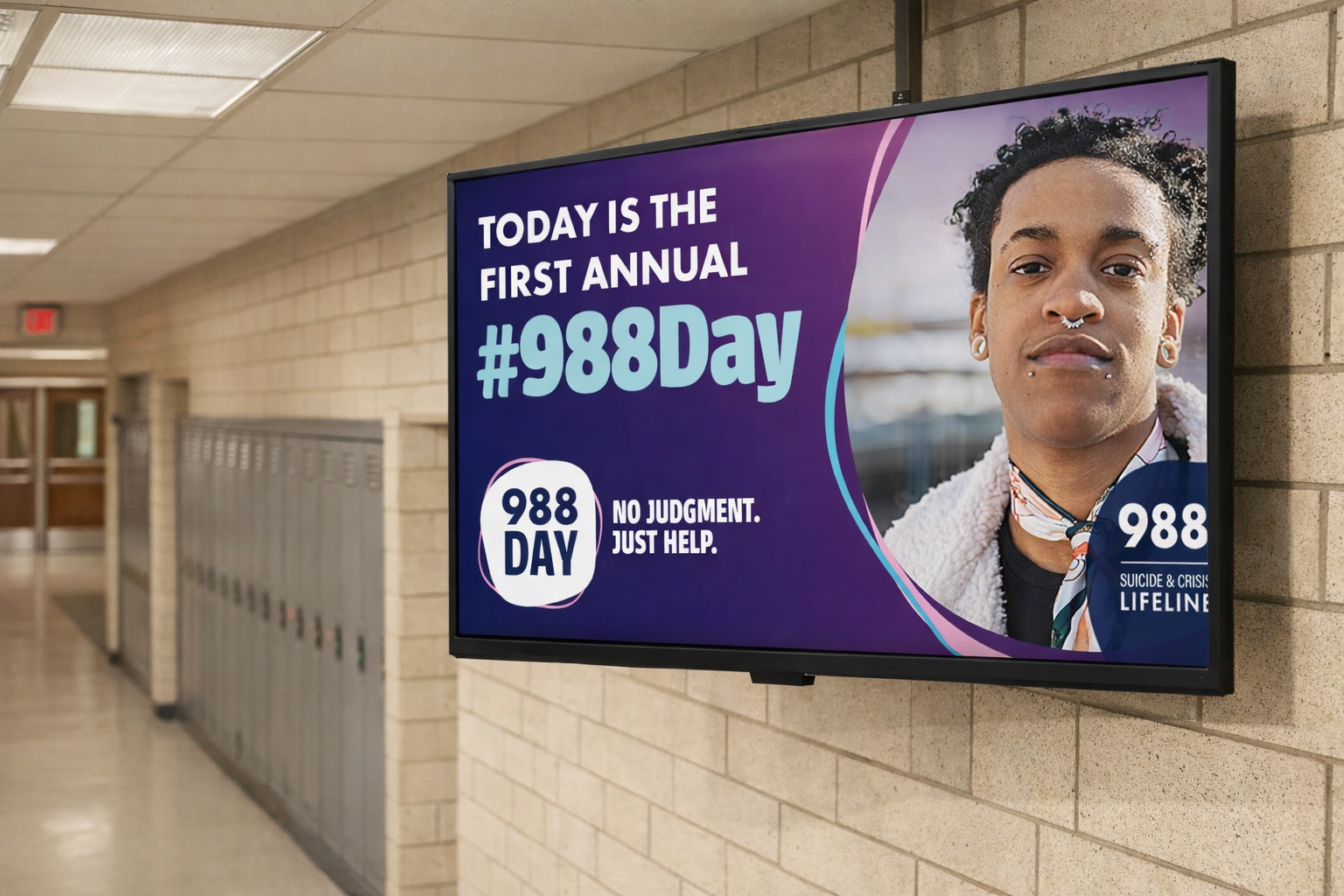
Case Study: Youth Mental Health Awareness in Texas Schools
Client
Texas Department of Health
Objective
Increase awareness of mental health resources among high school students across select Texas communities, encouraging early help-seeking behavior and reducing stigma.
Approach
PlaceBased designed a two-week OOH & DOOH campaign deployed in high school common areas — cafeterias, libraries, and student lounges — across multiple districts. The creative used bold, teen-friendly visuals with empowering language and integrated QR codes linking directly to free counseling lines, chat support, and wellness tools.
Results
15% increase in visits to the mental health resource hub across participating regions during the two-week flight. 42% of QR scans occurred during school lunch periods, validating placement in high-dwell zones. Engagement rates exceeded national OOH health campaign benchmarks by over 35%. Impressions were delivered at less than one-third the cost of comparable digital/social awareness programs.
Key Takeaway
By meeting students in their daily environment with non-clinical, empowering messaging and making resources immediately accessible via QR code, the campaign turned passive exposure into active engagement — exactly what a well-planned public health campaign should do.
Common Mistakes to Avoid
1. Skipping audience research. If you don't deeply understand who you're talking to, your message won't land. Generic campaigns produce generic results.
2. Trying to say too much. Public health campaigns that cram five messages into one creative confuse the audience. Pick one to three core messages and commit to them.
3. Relying on a single channel. Digital-only campaigns miss offline populations. OOH-only campaigns miss the retargeting opportunity. The strongest campaigns layer multiple channels.
4. Ignoring cultural context. Translating English copy into Spanish is not a multicultural strategy. True cultural adaptation requires understanding values, beliefs, trusted messengers, and communication styles within each community.
5. Not planning for measurement. If you can't prove the campaign worked, it's hard to justify the next one. Build your KPIs and tracking mechanisms into the plan before launch — not after.
6. Choosing venues based on traffic alone. High foot traffic doesn't mean the right audience. A fentanyl campaign in a suburban pediatric office won't reach the people who need it. Match venues to audience and context, not just volume.
Planning a public health campaign? We can help.
PlaceBased specializes in place-based OOH and DOOH media for public health organizations, government agencies, and mission-driven brands. We'll help you plan, place, and measure campaigns that reach the right people in the right environments across 300+ U.S. markets.
Frequently Asked Questions
How do you plan a public health campaign?
Planning a public health campaign involves eight key steps: defining the health issue and campaign objective, researching and segmenting your audience, developing core messaging, selecting media channels, creating campaign creative, planning media placement and venue strategy, launching and monitoring in real time, and measuring results with a post-campaign report. The most effective campaigns combine multiple channels — including digital, traditional, and place-based OOH media — to reach audiences across different touchpoints.
What makes a public health campaign successful?
Successful public health campaigns share several characteristics: a specific, measurable objective; deep understanding of the target audience; culturally relevant messaging with a clear call to action; a multi-channel media strategy that reaches people where they are; and built-in measurement to track outcomes. Campaigns that combine these elements consistently outperform those that rely on awareness alone.
How long does it take to plan a public health campaign?
Plan to spend three to five months in the planning and strategy phase, depending on the campaign's scope. This includes audience research, message development, creative production, media planning, and partner coordination. Simpler, locally focused campaigns can move faster, while multi-market or multi-audience campaigns typically require more lead time.
What channels should a public health campaign use?
The best approach is multi-channel. Digital platforms (social media, search, display) offer targeting and real-time optimization. Traditional media (TV, radio) provides broad reach. Place-based OOH delivers messages in trusted, real-world environments like clinics, schools, grocery stores, and community centers. Community outreach and events add depth and trust. The right mix depends on your audience, budget, and objectives.
How does place-based OOH media fit into a public health campaign?
Place-based OOH delivers health messages in the physical environments where people make health-related decisions — clinics, pharmacies, schools, grocery stores, bars, and community centers. It reaches populations that digital campaigns miss, supports multicultural and multilingual outreach, and provides contextual relevance that strengthens message credibility. When paired with QR codes or mobile integration, it also drives measurable digital engagement.
How do you measure the impact of a public health campaign?
Common metrics include impressions and reach, QR code scans, website traffic from campaign URLs, hotline call volume, screening or appointment increases, resource distribution data (e.g., naloxone pickups), pre- and post-campaign awareness surveys, and community partner feedback. The strongest evaluations combine multiple data sources to show both reach and behavior change.
Who runs public health campaigns?
Public health campaigns are run by federal agencies (CDC, HHS, FDA, SAMHSA), state and local health departments, hospitals and healthcare systems, nonprofits and community-based organizations, universities, and private-sector partners with a public health or social impact mission. Many campaigns are collaborative efforts involving multiple partners.