Place-Based OOH for Government Health Campaigns: Why Out-of-Home Advertising Is the Missing Channel in Public Health Communications
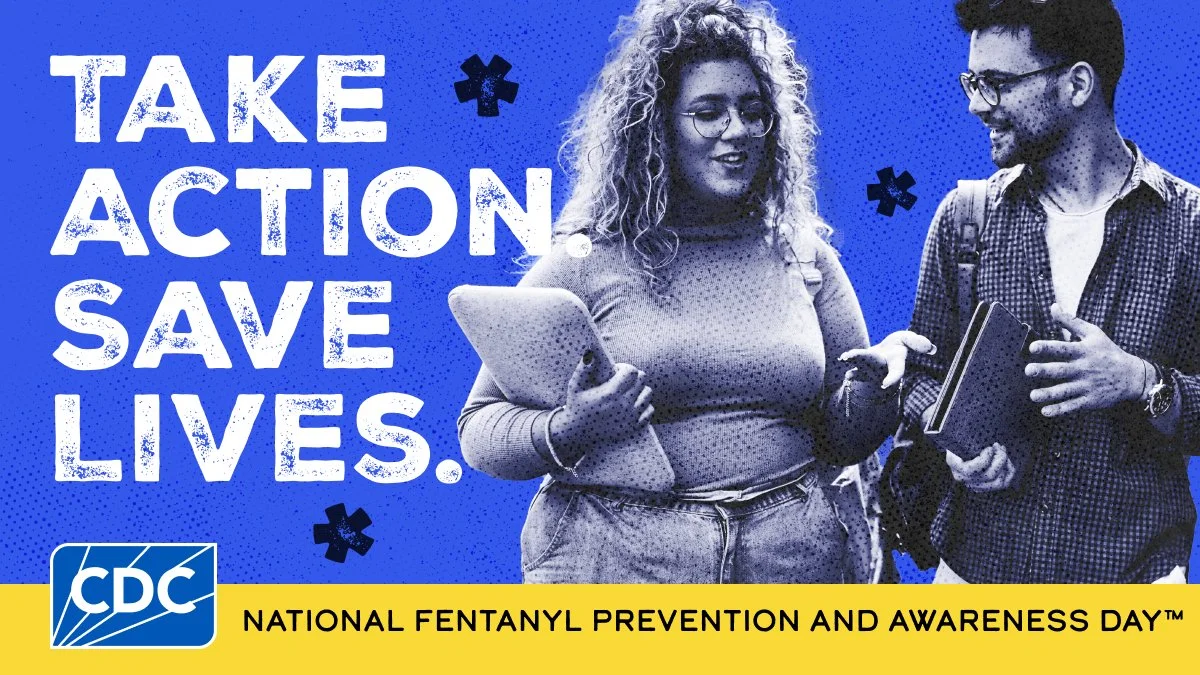
Every year, federal and state health agencies spend billions of dollars on campaigns designed to change behavior — from encouraging flu vaccinations and Medicare enrollment to preventing opioid overdose and reducing tobacco use among teens. These campaigns save lives. But there’s a significant gap in how most of them reach people.
The vast majority of government health campaign budgets flow into digital advertising, broadcast television, radio, and social media. These channels have broad reach, but they share a common weakness: they depend on people being in front of a screen, actively consuming content, and not skipping, scrolling, or blocking the ad.
Meanwhile, place-based out-of-home (OOH) advertising — media placed in the physical locations where target populations already spend their time — remains one of the most underutilized channels in public health communications. And it may be one of the most effective.
What Is Place-Based OOH, and Why Does It Matter for Public Health?
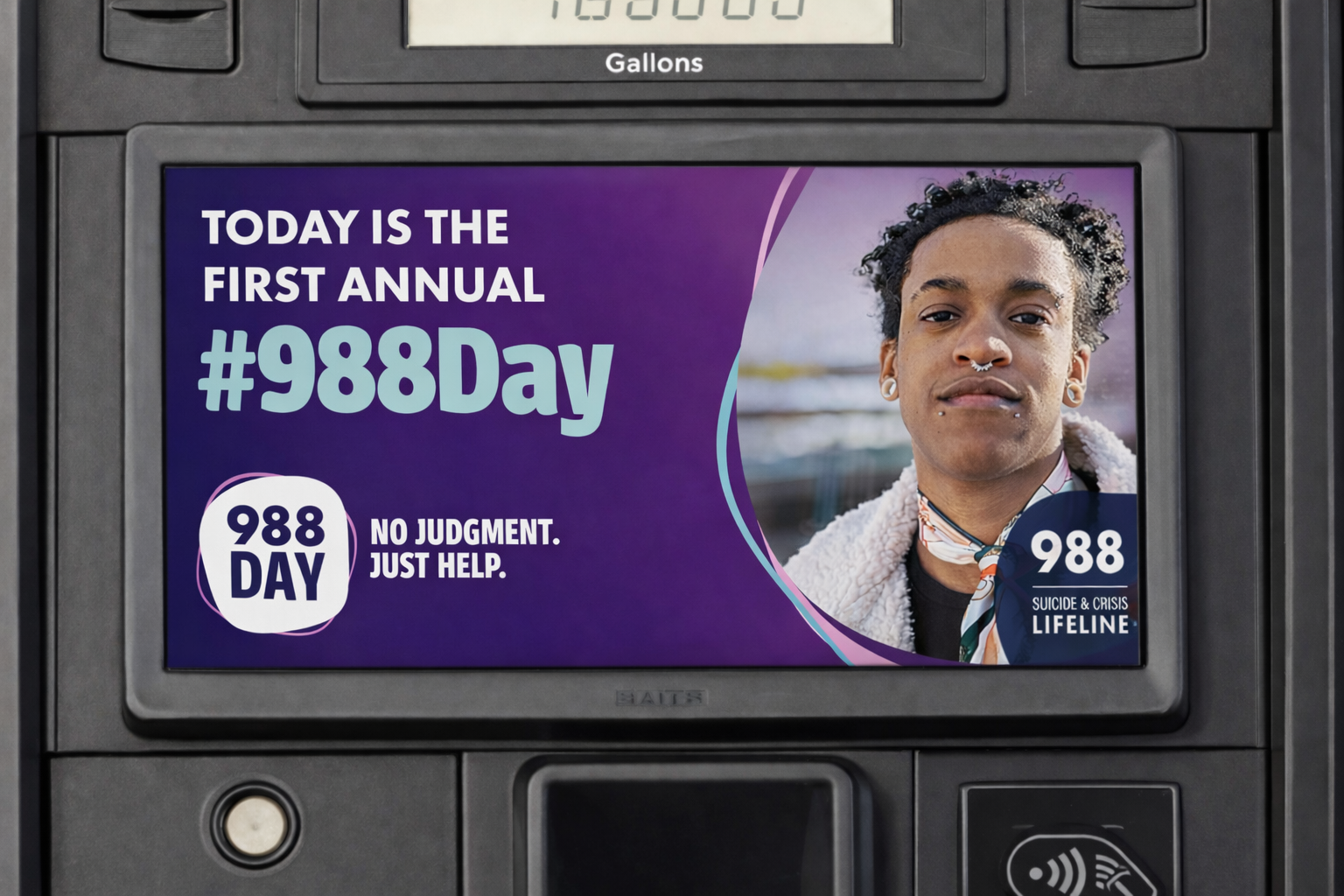
Place-based OOH refers to advertising displayed in specific physical venues — healthcare clinics, pharmacies, grocery stores, gas stations, community centers, schools, bars, and other locations where people naturally gather. Unlike traditional billboards on highways, place-based media reaches people inside the environments where their daily decisions happen.
For public health campaigns, this distinction is critical. A poster about diabetes management displayed in a clinic waiting room reaches someone who is already thinking about their health. A digital screen in a pharmacy promoting flu vaccination reaches someone standing feet away from the pharmacist who can administer it. A message about opioid overdose reversal posted in a gas station bathroom reaches someone in a private moment, in a community where overdose rates may be highest.
This is the core principle behind place-based OOH: context drives action. When the right message appears in the right place at the right moment, people are far more likely to notice it, absorb it, and act on it than they are scrolling past a digital banner or muting a TV commercial.
How Federal Agencies Are Structured to Buy Media — and Where OOH Fits
Understanding how government health campaigns reach the public requires understanding the procurement chain. Federal agencies like CMS (Centers for Medicare & Medicaid Services), CDC, SAMHSA (Substance Abuse and Mental Health Services Administration), and FDA typically do not buy media directly. Instead, they award contracts to advertising and communications agencies — often through multi-year, multi-agency contract vehicles — who then develop campaigns, create content, and purchase media on the agency’s behalf.
These agency-of-record (AOR) relationships mean that the decision to include OOH in a government health campaign is usually made by the contracted advertising agency, not by the government program office. And here’s the key insight: most of these contracts give the advertising agency significant latitude to recommend the media mix. The government sets the campaign objectives, target audience, and budget parameters. The agency recommends how to spend it.
This creates a clear opportunity. If a place-based OOH media provider can demonstrate to the AOR that out-of-home placements will reach the right audiences in the right environments, the agency has the authority to include it in the plan. No separate government procurement is needed. No additional RFP. The OOH provider simply becomes part of the agency’s media buy.
For agencies looking to diversify their media plans beyond digital and broadcast — and for government program officers looking for evidence of real-world community reach — place-based OOH fills a gap that other channels cannot.
The strategic case for place-based media in public health work — including the Tips and Truth campaign benchmarks — is laid out in our public health campaign advertising guide.

Five Reasons Place-Based OOH Works for Government Health Campaigns
1. It Reaches People Where Health Decisions Actually Happen
Digital ads reach people at their desks or on their couches. Place-based OOH reaches people in clinics, pharmacies, grocery stores, and community health centers — the exact locations where they interact with the healthcare system, purchase food, and access community resources. For campaigns targeting Medicare beneficiaries, Medicaid enrollees, WIC-eligible families, or people at risk for chronic disease, these environments are where the target audience already is.
2. It Reaches Underserved and Hard-to-Reach Populations
Many public health campaigns specifically target populations that are difficult to reach through digital channels — people without reliable internet access, older adults with limited digital literacy, people experiencing homelessness, rural communities, and non-English-speaking populations. Place-based OOH operates in the physical world, bypassing digital access barriers entirely. A poster in a community health center or a digital screen in a gas station reaches people regardless of whether they have a smartphone, a Wi-Fi connection, or a social media account.
3. It Supports Health Equity Goals
Federal health agencies have increasingly prioritized health equity in their campaign strategies. Place-based OOH is inherently equity-friendly because it can be deployed in the specific zip codes, neighborhoods, and community spaces where disparities are highest. By placing media in federally qualified health centers (FQHCs), WIC offices, Title I schools, and other community anchors, campaigns reach the populations that need them most — in environments they already trust.
4. It Delivers Contextual Relevance That Drives Behavior Change
Public health campaigns are not just about awareness — they’re about behavior change. Getting someone to schedule a screening, call a quit line, fill a prescription, or enroll in coverage requires more than impressions. It requires reaching people at a moment when they’re ready to act. Place-based OOH creates those moments by design. A message about heart disease prevention displayed in a pharmacy where the patient is already picking up medication. A message about PrEP posted in an LGBTQ+ community venue where the audience is already engaged with their identity and health. Context is the catalyst.
5. It Can Be Localized, Customized, and Deployed Rapidly
Government health campaigns often need to be customized by region, language, or population. A national opioid prevention campaign may need different creative in Appalachia than in the Navajo Nation. An STI prevention campaign targeting Hispanic/Latino communities needs Spanish-language creative in culturally relevant venues. Place-based OOH supports this naturally — different creative can be deployed in different markets, venues, and languages without rebuilding the entire media plan. And when health emergencies arise — disease outbreaks, environmental disasters, or urgent vaccination pushes — place-based OOH can be deployed in targeted communities within days, not weeks.

Place-Based Venue Types for Government Health Campaigns
Not all OOH is the same. The power of place-based media lies in matching the venue to the audience and the health topic. Here are the primary venue categories and the campaign types they serve best:
Healthcare Settings
• Clinics, FQHCs, and urgent care centers
• Pharmacies (independent and chain)
• OBGYN offices, dental offices, and specialty practices
• Best for: Medicare/Medicaid enrollment, chronic disease management, vaccination campaigns, maternal health, PrEP awareness, flu prevention
Retail and Convenience
• Grocery stores and supermarkets
• Convenience stores and gas stations
• Big box retailers (Walmart, Target, Dollar General)
• Best for: Nutrition and WIC awareness, tobacco cessation, opioid overdose prevention (naloxone messaging), responsible gambling, general wellness
Schools and Youth Environments
• High schools and middle schools
• College and university campuses
• Youth recreation centers
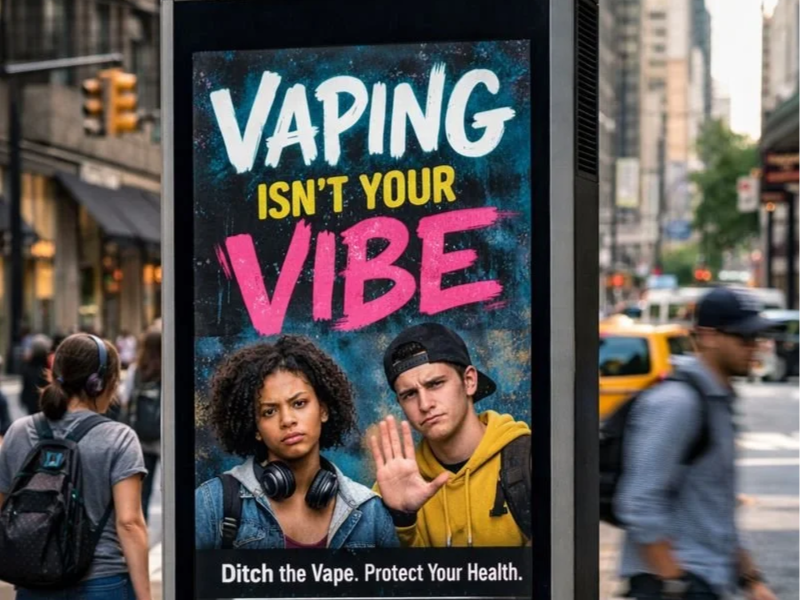
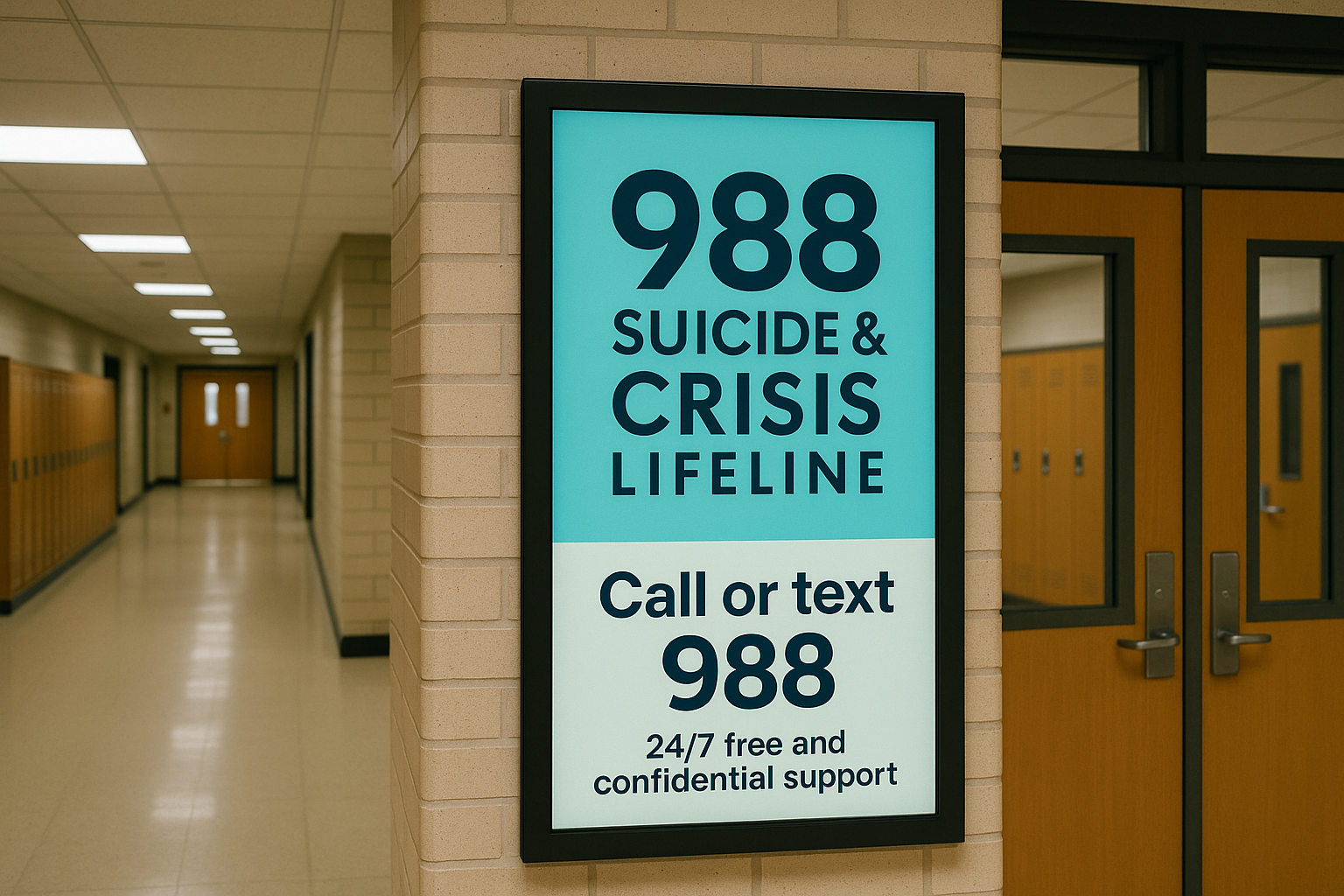
• Best for: Vaping prevention, mental health awareness (988 Suicide & Crisis Lifeline), substance abuse prevention, sexual health education, distracted driving
Community and Social Venues
• Community centers and recreation centers
• Libraries
• Social service offices
• LGBTQ+ venues and cultural spaces
• Best for: HIV/STI prevention, LGBTQ+ health outreach, mental health resources, ACA enrollment, veteran services, aging and elder care
Workplace and Industry
• Farm and feed stores, agricultural supply locations
• Construction sites and industrial workplaces
• Bars, restaurants, and nightlife venues
• Best for: Agricultural biosecurity (avian influenza), workplace safety, responsible drinking, impaired driving prevention, occupational health
Real-World Examples: How Public Health Organizations Use Place-Based OOH
Place-based OOH is already being used across the country for government-funded health campaigns, even if it doesn’t always get the same attention as digital or broadcast. Here are examples of the types of campaigns where place-based media is driving results:
• Opioid overdose prevention in convenience stores and gas station restrooms across Appalachia and New England — reaching people in high-risk communities with naloxone awareness and crisis hotline information.
• Youth vaping prevention on digital screens and posters in high school cafeterias, hallways, and student lounges — delivering peer-friendly anti-tobacco messaging during the school day.
• HIV/STI prevention in LGBTQ+ community venues, bars, and clinics — promoting PrEP awareness and testing in the spaces where at-risk populations feel safe and seen.
• WIC enrollment outreach in OBGYN offices, daycares, and grocery stores — reaching eligible families at the moments and locations where nutrition decisions are being made.
• Maternal health awareness in clinics and pharmacies across rural counties with high maternal mortality rates — delivering critical information about cardiac risk and postpartum warning signs.
• Mental health crisis resources on campuses, in community centers, and at veteran-serving organizations — promoting the 988 Suicide & Crisis Lifeline in environments where people are most likely to seek help.
• Cannabis prevention and safe storage in convenience stores, community bulletin boards, and family-serving venues — educating communities where cannabis legalization is new.
Each of these examples shares a common thread: the message reaches the right audience in a trusted, relevant environment — and the cost is often a fraction of what an equivalent digital or broadcast campaign would require for the same geographic targeting.
How to Include Place-Based OOH in a Government Health Campaign Media Plan
For advertising agencies managing government health contracts, adding place-based OOH to a media plan is straightforward. Here’s a practical framework:
1. Identify the target population and their physical environment. Where do they access healthcare? Where do they shop for food? Where do they spend time in their community? Match the audience to the venue.
2. Select venue types that align with the campaign’s behavior change goal. If the goal is medication adherence, pharmacies and clinics. If the goal is youth substance prevention, schools and rec centers. If the goal is enrollment, community centers and social services.
3. Partner with a place-based OOH provider who has existing venue relationships. The infrastructure is already in place — you don’t need to negotiate with thousands of individual businesses. A place-based media network provides inventory, production, installation, and reporting.
4. Develop creative that works in the venue context. Short copy, clear call to action, culturally and linguistically relevant messaging. OOH creative should be designed for the environment — a poster in a clinic waiting room is different from a digital ad on a phone.
5. Build in measurement from the start. QR codes, unique URLs, trackable phone numbers, and clinic-level foot traffic data can all provide evidence of campaign impact that goes beyond impressions.
6. Align with government compliance requirements. Ensure all creative includes required disclaimers, agency logos, and branding per the sponsoring agency’s guidelines. A provider experienced in government health campaigns will already understand these requirements.
The Opportunity Is Now
Government health agencies are spending more than ever on communications — and their advertising partners have increasing latitude to recommend new channels. At the same time, digital advertising is facing growing challenges: ad fatigue, privacy regulations, ad-blocking, and declining trust. Place-based OOH offers something different: unskippable, contextually relevant, community-rooted media that meets people where they live, learn, work, and access care.
For the agencies managing these campaigns — and for the health departments and nonprofits executing grant-funded outreach — place-based OOH is not a replacement for digital or broadcast. It’s the missing piece that makes the rest of the media plan work harder. When someone sees a digital ad for Medicare enrollment and then sees the same message on a poster in their pharmacy, the reinforcement drives action in a way that either channel alone cannot.
Public health is ultimately about reaching people in their communities. Place-based OOH is built to do exactly that.
About PlaceBased Media
PlaceBased is a national place-based OOH and DOOH advertising network reaching audiences in healthcare clinics, schools, community centers, grocery stores, pharmacies, and other everyday venues across 300+ markets nationwide. We specialize in public health campaigns for federal agencies, state health departments, nonprofits, and the advertising agencies that serve them.
Contact us at placebased.media to explore how place-based OOH can strengthen your next government health campaign.