Place-Based Cannabis Prevention & Safe Storage: A Community-Centered Guide for 2025 and Beyond
How local communities are using place-based strategies, youth education, and responsible storage practices to prevent cannabis misuse and protect families.
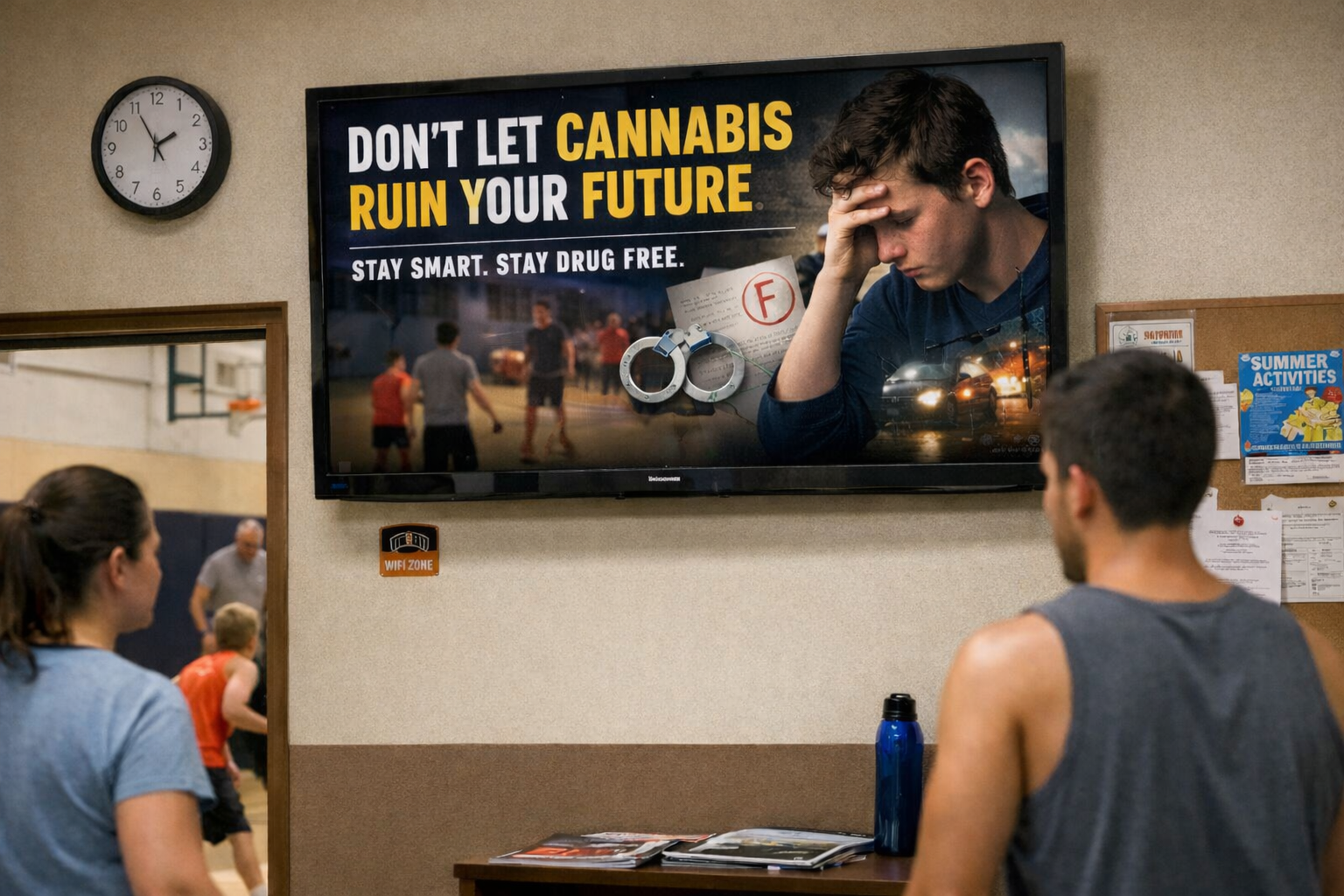
As cannabis legalization continues to expand across the United States and internationally, communities face a growing need to balance adult access with public health protections—especially for youth, families, and vulnerable populations. Place-based prevention offers a powerful framework: rather than relying solely on top-down policy, it empowers local neighborhoods, schools, and organizations to design strategies tailored to their unique needs.
This comprehensive guide explores how place-based approaches to cannabis prevention work, why safe storage is a critical component of any responsible cannabis policy, and what community leaders, parents, educators, and public health professionals can do right now to make a difference.
What Is Place-Based Cannabis Prevention?
Place-based prevention is a public health approach that focuses on the specific conditions, assets, and challenges within a defined geographic area—whether that’s a county, a school district, a tribal community, or a city neighborhood. Instead of applying a one-size-fits-all solution, place-based strategies use local data, cultural context, and community partnerships to design interventions that resonate with the people who live there.
In the context of cannabis, this means examining local patterns of youth use, identifying risk and protective factors unique to the community, and implementing strategies that address root causes rather than symptoms. Programs funded by organizations such as the California Department of Public Health (CDPH) and Drug Free Communities (DFC) coalitions exemplify this approach, using policy, systems, and environmental (PSE) change strategies tailored to each locality.
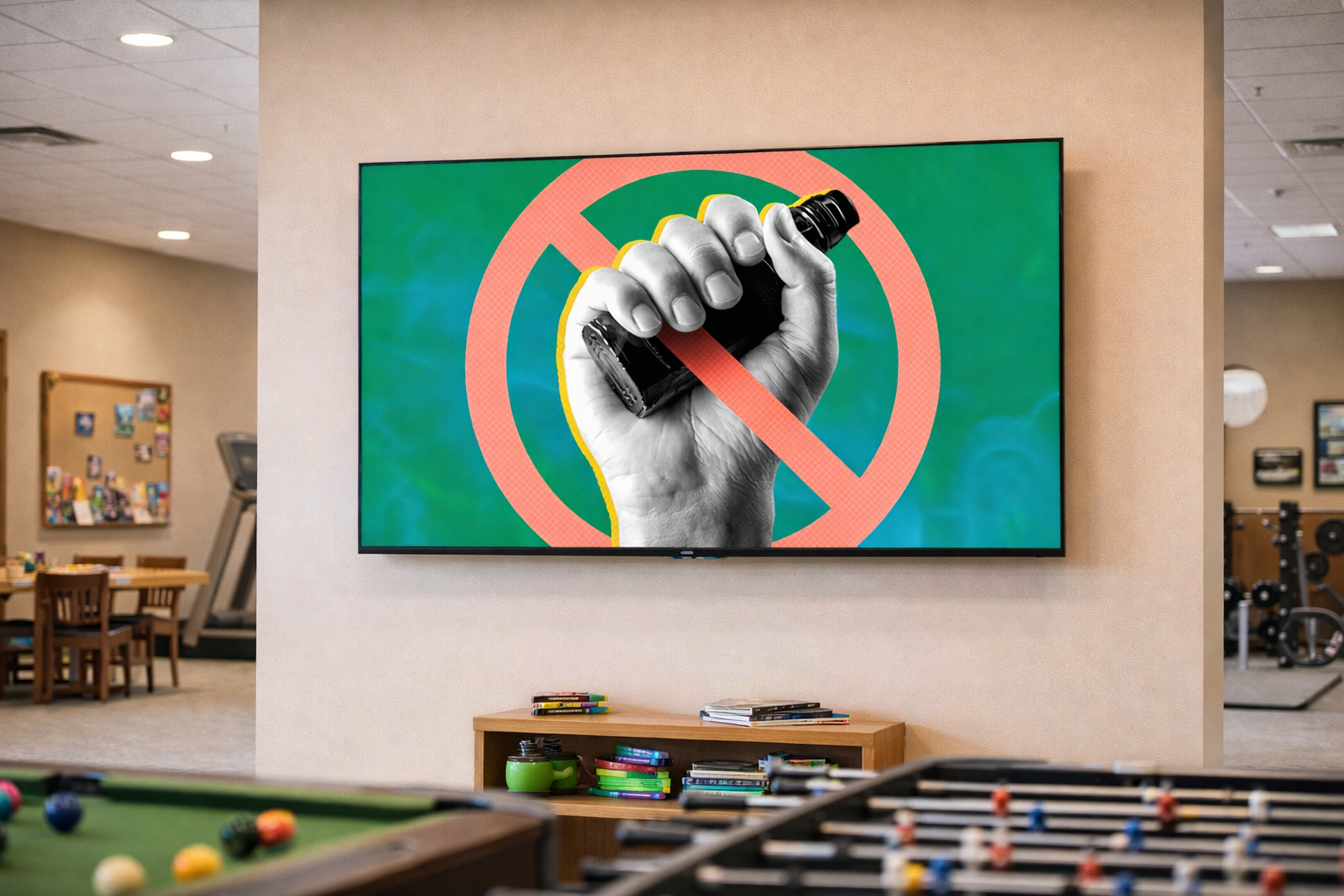
Why Cannabis Prevention Matters More Than Ever

The landscape of cannabis products has changed dramatically. Today’s market includes high-potency concentrates, edibles that closely resemble everyday candy and snacks, flavored vape cartridges, and a growing array of hemp-derived THC products such as Delta-8 and Delta-10 that are widely available and often unregulated. These developments have significant implications for youth prevention.
The Youth Brain Development Factor
Research consistently shows that the adolescent brain continues developing until approximately age 25. Regular cannabis use during the teenage years and early twenties can lead to measurable changes in brain structure and function. Youth who use cannabis regularly are more likely to experience difficulty with learning and memory, lower academic performance in math and reading, and increased risk for depression and psychotic disorders. The earlier use begins, the more pronounced these effects can be, and some consequences may persist even after use stops.
Evolving Product Accessibility
Over the past several years, significant changes in cannabis laws and regulations have increased product availability and accessibility in states and communities across the country. This is not limited to states that have legalized adult-use cannabis. Hemp-derived intoxicating products are widely sold online and in convenience stores in many states with little to no regulation, creating a confusing patchwork of rules that communities must navigate.

Core Strategies for Place-Based Cannabis Prevention
The Drug Free Communities framework outlines seven comprehensive, community-level strategies for preventing youth substance use. When applied to cannabis prevention, these strategies create a layered defense that addresses multiple dimensions of the problem simultaneously.
1. Community-Based Education and Media Campaigns
Effective education campaigns focus on facts rather than scare tactics. Young people respond better when messages connect with their personal goals—academic achievement, athletic performance, career aspirations—rather than relying on fear-based messaging. Social norms campaigns that communicate the reality that most youth are not using cannabis can be particularly powerful, as adolescents often overestimate peer use. States like Washington and Colorado have invested in statewide digital campaigns that reach parents of teens, coaches, teachers, and other caregivers, with an emphasis on reaching families in rural areas.
2. Policy, Systems, and Environmental (PSE) Changes
PSE strategies are structural changes designed to make the healthy choice the easy choice. Examples include zoning regulations that limit cannabis retail density near schools, smoke-free and cannabis-free housing policies, drug-free school zone enforcement, restrictions on advertising and marketing that appeals to youth, and licensing requirements that mandate rigorous age-verification protocols. Local governments, school districts, park districts, healthcare organizations, and workplaces all have roles to play in implementing these changes.
3. Youth Leadership and Empowerment
The most effective prevention programs do not simply deliver information to young people—they position youth as leaders and change agents. Community-based and school-based projects that empower youth to design and lead prevention activities build resilience, strengthen protective factors, and give young people a sense of agency. Programs like Stanford Medicine’s REACH Lab Smart Talk curriculum combine evidence-based cannabis education with skill-building activities that help students develop critical thinking and healthy coping strategies.
4. Parent and Caregiver Engagement
Research consistently demonstrates that parents and trusted adults are the primary influence in teens’ lives. When adults are informed, present, and engaged, adolescents are healthier and make better decisions. Yet many parents feel unprepared to have conversations about cannabis, especially as the legal and product landscape shifts. Toolkits like the Cannabis Conversations resources and the Start Talking Now campaign provide practical, research-based guidance for initiating age-appropriate discussions with young people about the risks and consequences of cannabis use.
5. Coalition Building and Cross-Sector Partnerships
Sustained prevention requires collaboration across sectors. Successful coalitions bring together schools, law enforcement, healthcare providers, faith communities, businesses, and government agencies. These partnerships allow communities to share resources, align messaging, coordinate data collection, and build capacity for long-term impact. Many states fund regional coalitions specifically to support this collaborative infrastructure.
6. Provider Training and Professional Development
Healthcare providers, school counselors, educators, and youth-serving professionals all need current, evidence-based training to effectively address cannabis use with the populations they serve. This includes screening and brief intervention skills, knowledge of local laws and available resources, cultural competency, and understanding of the rapidly evolving product landscape.
7. Addressing Health Equity
Cannabis prevention must be intentionally designed to address disparities. Marginalized communities often face both disproportionate enforcement and reduced access to culturally appropriate prevention and treatment services. Effective place-based prevention ensures that resources are not concentrated only for certain populations but are equitably available to youth who may need support most, including American Indian/Alaska Native youth, LGBTQ+ youth, and young people in low-income communities.
Safe Storage: The Critical Link Between Prevention and Responsibility
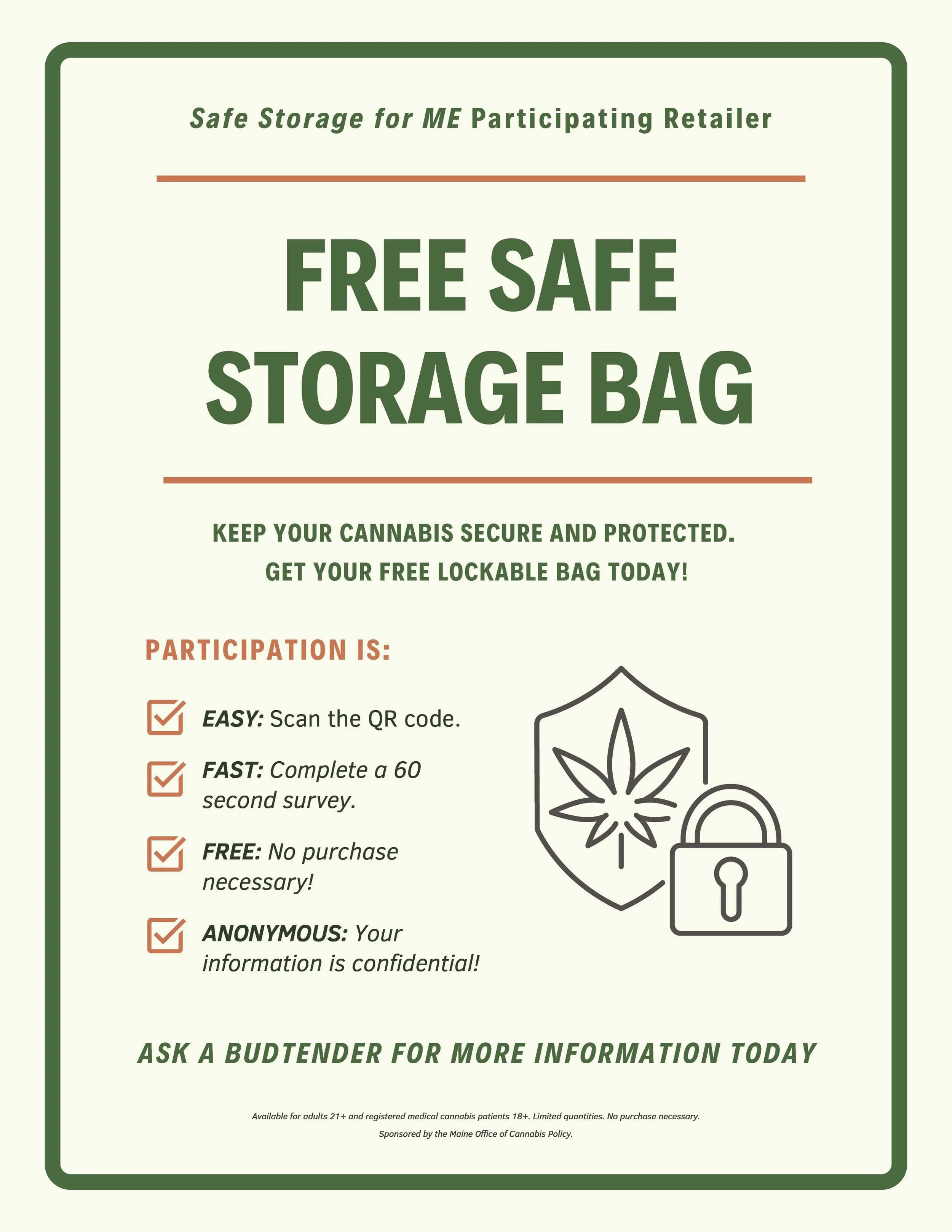
Safe storage is one of the most immediate, actionable steps that any cannabis user can take to prevent accidental ingestion and youth access. As cannabis edibles become increasingly indistinguishable from regular candy, cookies, and beverages, the stakes for proper storage have never been higher.
Why Safe Storage Matters
Cannabis products can be easily mistaken for ordinary food, especially by children and pets. California and other legal states have strict labeling laws to warn when products contain cannabis, but labels alone are not enough. Children are at significantly higher risk for adverse effects from cannabis than adults, and accidental ingestion of edibles has become a growing concern in emergency departments across the country. Pets are also vulnerable; cannabis use is not federally approved for animals, and accidental exposure can cause serious health problems.
Best Practices for Cannabis Safe Storage at Home
Public health agencies, including the CDC and state health departments, recommend a consistent set of safe storage guidelines that mirror the best practices for storing medications. Here are the essential steps every cannabis consumer should follow:
1. Keep it in original packaging. Retain the child-resistant packaging from the store and reseal products after every use. If original packaging is no longer available, clearly label any container with the contents, potency, and applicable warnings.

2. Lock it up. Store cannabis and cannabis-infused products in a secure, locked container or cabinet. A high shelf or drawer alone is not sufficient to prevent access by curious children. Choose a container that meets child-resistant standards, such as a lockbox, a locked medicine cabinet, or a dedicated safe.
3. Keep it out of sight. Place the locked storage container in an elevated or inaccessible location. The goal is for cannabis products to be neither visible nor accessible to children and pets. Treat them with the same caution as prescription medications or household chemicals.
4. Keep it separate. Never store cannabis products alongside regular food items or medications. Mixing them with everyday household goods increases the likelihood of accidental ingestion.
5. Dispose responsibly. When discarding unused cannabis products, do so in a manner that prevents access by children, pets, or unauthorized individuals. Do not leave them in open trash cans.
6. Educate your household. Talk openly with family members about the potential risks of cannabis. Educate children about the importance of never consuming unfamiliar products without permission. Communication is a powerful layer of protection alongside physical security.
Preserving Product Quality Through Proper Storage
Beyond safety, proper storage also preserves the potency, flavor, and integrity of cannabis products. For consumers who use cannabis responsibly, understanding the science of storage can help ensure a consistent and safe experience.
Temperature control is essential: store cannabis in a cool, dark location away from heat sources. Excessive heat degrades THC and other cannabinoids, while temperature fluctuations can encourage mold growth. Humidity should also be regulated; airtight containers prevent oxidation and maintain freshness. Exposure to light accelerates the breakdown of terpenes and cannabinoids, so opaque or UV-resistant containers are strongly recommended. These principles apply equally to flower, concentrates, and edibles.

The Evolving Regulatory Landscape for Cannabis Safety
Regulatory frameworks around cannabis safety continue to mature. In 2024, the American National Standards Institute (ANSI) approved a new Cannabis Security Standard developed by ASIS International, providing guidance on physical protection systems, secure storage, and product transport for cannabis operations. At the consumer level, most legal states now mandate child-resistant packaging, clear THC and CBD potency labeling, allergen disclosures, and standardized serving sizes for edibles—typically capping THC content at five to ten milligrams per serving.
For community prevention leaders, staying current with local regulations is essential. Place-based strategies are most effective when they align with and reinforce the regulatory environment, filling gaps where regulations alone fall short.
Building Your Community’s Place-Based Cannabis Prevention Strategy
If you are a community leader, public health professional, educator, or concerned parent looking to strengthen cannabis prevention in your area, here is a practical roadmap to get started:
Assess your local landscape. Use local data from youth health surveys, emergency department records, school assessments, and community input to understand the scope and nature of cannabis use in your area. Identify specific risk factors such as proximity to retail outlets, product availability, and community attitudes.
Build or strengthen a coalition. Convene stakeholders from schools, healthcare, law enforcement, faith communities, local government, and youth-serving organizations. Diverse coalitions produce more comprehensive and sustainable outcomes.
Select evidence-based interventions. Choose curricula, campaigns, and policy strategies that have demonstrated effectiveness. Resources from SAMHSA, the Prevention Technology Transfer Center (PTTC) Network, and state health departments provide curated lists of proven programs.
Center youth voice and equity. Ensure that young people are partners in designing and implementing prevention activities, not just recipients. Prioritize equitable access to services for communities that are disproportionately impacted.
Integrate safe storage messaging. Make safe storage education a core component of your prevention strategy. Distribute lockboxes, create community awareness campaigns, and normalize responsible storage as part of the broader conversation about cannabis.
Measure and adapt. Use ongoing data collection and program evaluation to track progress and adjust strategies. Prevention is not a one-time effort; it requires sustained attention and willingness to evolve.
What to Do If Accidental Ingestion Occurs
Even with the best precautions, accidents can happen. If you suspect a child has consumed a cannabis product, call Poison Control immediately at 1-800-222-1222. Stay calm, provide as much information as possible about the product, and follow the guidance of the medical professionals. For pets, contact your veterinarian or the ASPCA Animal Poison Control Center at 1-888-426-4435.
Key Takeaways
Place-based prevention tailors strategies to local conditions, making them more relevant, culturally responsive, and effective than generic approaches.
Youth brain development continues until age 25; early cannabis use carries measurable cognitive and mental health risks.
Safe storage—locked, labeled, out of sight, and separate from food—is one of the most effective immediate actions consumers can take.
Effective prevention requires a multi-strategy approach that combines education, policy change, coalition building, youth empowerment, and equity.
Parents and caregivers are the most important influence on teen decision-making; tools and training exist to help them have productive conversations.
Ready to Strengthen Prevention in Your Community?
PlaceBased provides the tools, data, and partnerships you need to build effective, community-driven cannabis prevention strategies. Contact us today to learn how we can support your work.