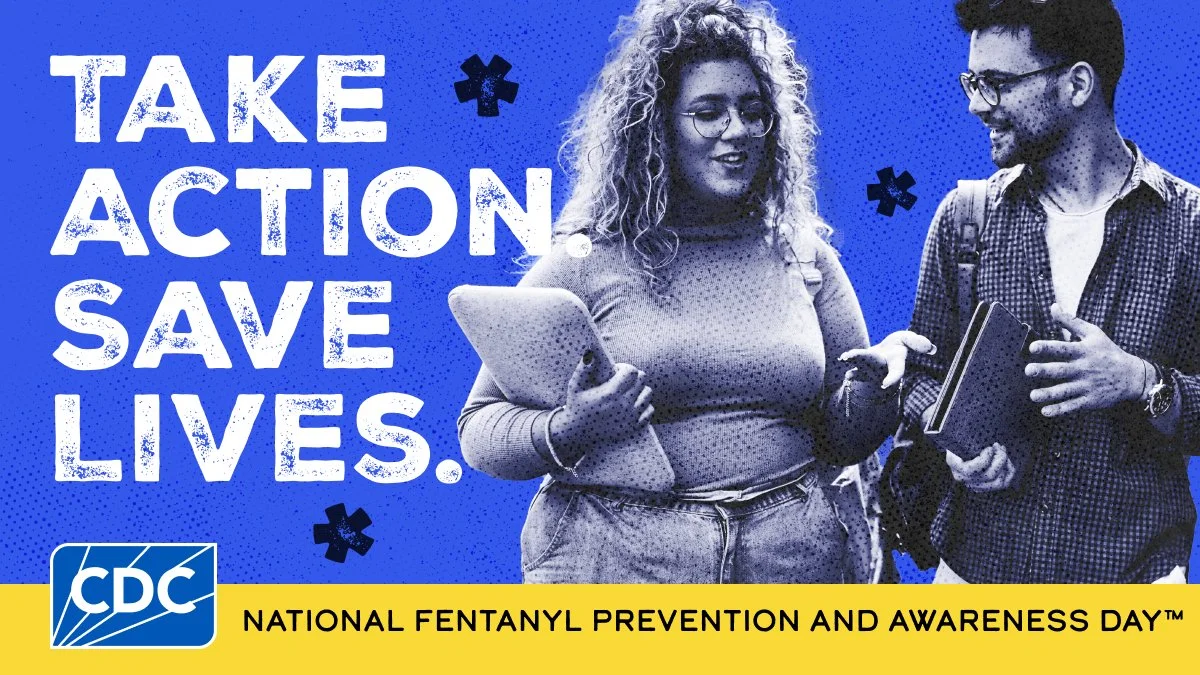
Overdose prevention is not just a clinical challenge — it's a communications challenge.
Despite a historic 27% decline in drug overdose deaths in 2024 (the largest single-year drop since the CDC began tracking), the crisis is far from over. According to the CDC's National Center for Health Statistics, nearly 80,000 Americans still died from drug overdoses in 2024, and overdose remains the leading cause of death for adults aged 18–44. Methamphetamine-involved deaths actually rose during the same period, a signal that the drug supply is shifting — not disappearing.
Progress is real. But it is fragile. And one of the factors researchers consistently credit for driving that progress is the same one that too many campaigns still underinvest in: getting the right messages to the right people, in the right environments, at the right time.
Why Traditional Media Falls Short for Overdose Prevention
Many overdose prevention campaigns are built around channels that feel familiar: paid social, search advertising, public service announcements, health news websites. These channels have value — but they systematically miss the populations at highest risk.
People most vulnerable to overdose are often the hardest to reach through conventional digital media. Limited or inconsistent internet access, platform restrictions on drug-related content, deep distrust of institutional messaging, and the algorithmic filtering that shapes what any individual actually sees — all of these factors work against digital-only strategies. The result is a well-documented pattern: campaigns over-index on audiences who are already engaged with health content, while the people most in need never see the message at all.
This isn't a hypothetical problem. A 2023 systematic review published in Drugs: Abingdon found that even well-funded national mass media campaigns showed significant variation in who they reached — and that audience segmentation and channel selection were among the most important determinants of whether campaigns changed knowledge, attitudes, or behavior. Reaching people who are already sympathetic to harm reduction messaging is easy. Reaching people who aren't is where most campaigns fall short.
The Case for Place-Based Overdose Prevention Media
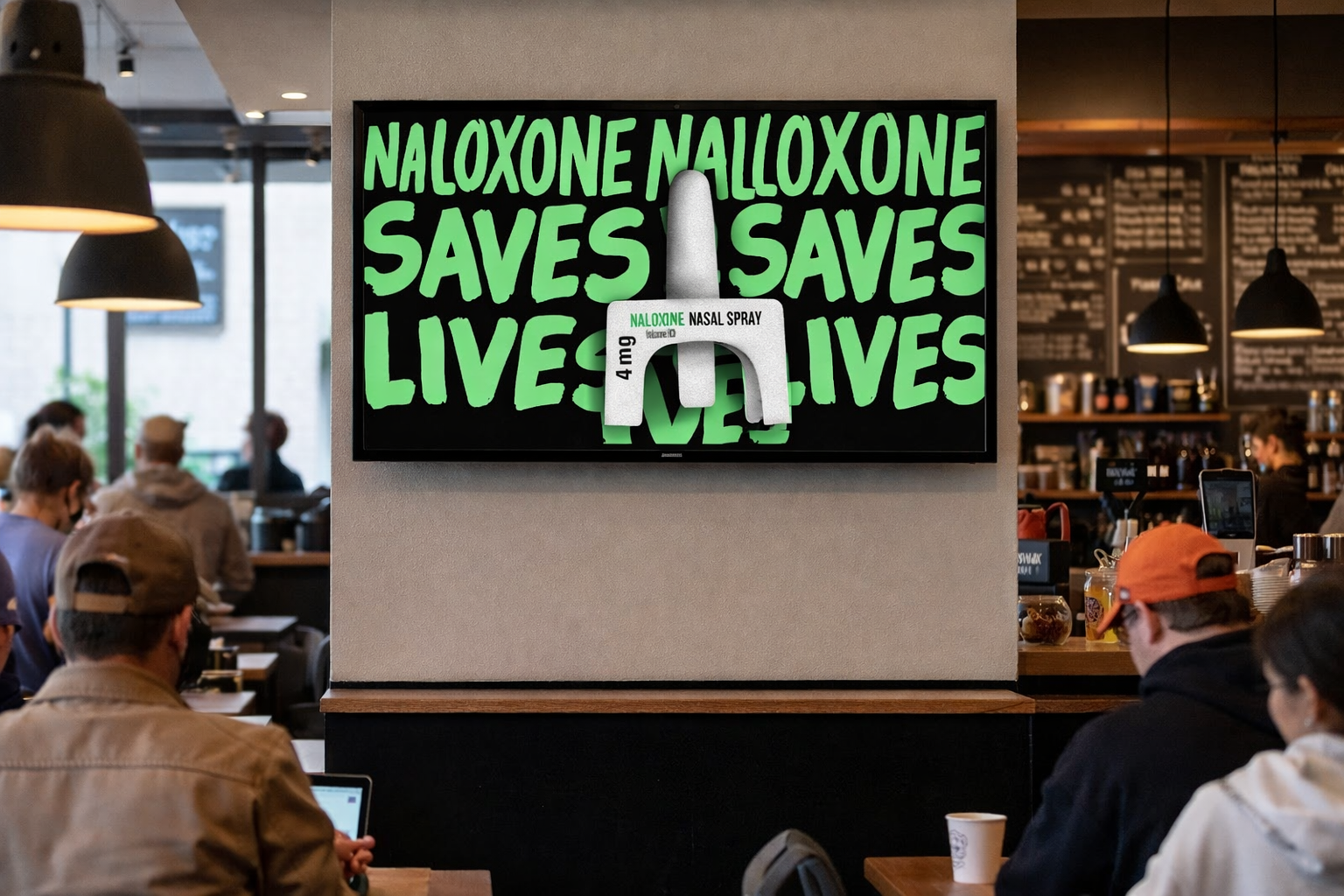
The core principle of effective overdose prevention media is simple: messages work best when they appear in the environments where risk and daily life intersect.
This is where place-based out-of-home (OOH) and digital out-of-home (DOOH) media offer something that no purely digital strategy can replicate. Rather than asking someone to search, opt in, or follow a link, place-based media delivers messages directly into the physical spaces people already occupy — without requiring any action on their part. It reaches people who avoid health content online. It creates repeated exposure over days, weeks, and months. And because it appears in community environments rather than on screens people associate with advertising, it tends to feel informational rather than promotional.
New York State's 2023 Harm Reduction Delivered campaign illustrates what a well-executed, layered strategy can accomplish. By combining social media, TV, radio, and physical out-of-home placements in community locations, the state distributed more than 12 million fentanyl and xylazine test strips and 80,000 naloxone kits in under a year. The physical placements weren't a supplement — they were essential to reaching people who wouldn't have been touched by the digital elements alone.
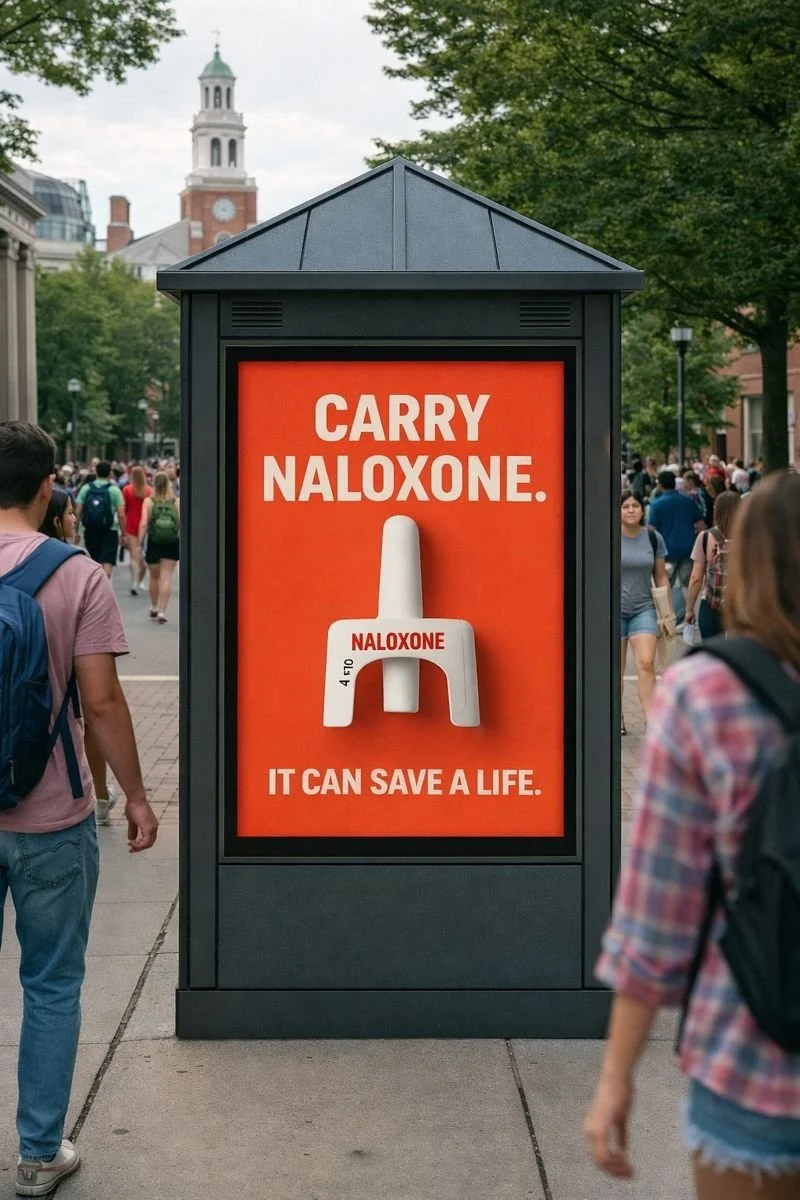
Strategic Objectives: What Your Campaign Should Accomplish
Public health departments and agencies typically pursue one or more of the following goals through overdose prevention media campaigns. Defining clear priorities upfront shapes everything from channel selection to creative direction.
Risk Awareness covers the informational foundation — communicating that fentanyl now contaminates the broader drug supply, that polysubstance use dramatically increases overdose risk, and that tolerance drops quickly after any period of abstinence. These are facts that can genuinely change behavior when communicated clearly and without judgment.
Harm Reduction Education moves from awareness into action — teaching people that naloxone is available without a prescription, encouraging them never to use alone, and normalizing the use of fentanyl test strips. The Ad Council's Real Deal on Fentanyl campaign found that awareness of naloxone as an over-the-counter tool remained low even after FDA approval, reinforcing that distribution alone isn't enough — active, ongoing education is required.
Crisis and Support Resources ensures that people know how to access help when they need it — 988, local harm reduction sites, treatment programs, and peer support services. Visibility matters: people don't search for resources they don't know exist.
Behavioral Normalization is often the quietest but most important objective. Consistent, non-stigmatizing messaging — the kind that shows up in everyday community environments — gradually shifts what feels normal. It signals that carrying naloxone is something ordinary people do, that asking for help is reasonable, and that the community views people who use drugs with dignity rather than judgment.
High-Impact Venues for Overdose Prevention Messaging
Choosing the right environment is as important as crafting the right message. The goal is to place messaging where exposure is high, trust is present, and the audience is genuinely at risk or adjacent to risk.
Community Health and Social Service Locations
Federally Qualified Health Centers (FQHCs), behavioral health clinics, harm reduction sites, and social services offices represent the highest-trust environments for overdose prevention messaging. People in these spaces are already engaged with health-related decisions. Messaging here reaches an audience primed to receive it — and can be calibrated to the specific services available on-site, reinforcing the connection between information and access.
Convenience Stores, Gas Stations, and Neighborhood Retail
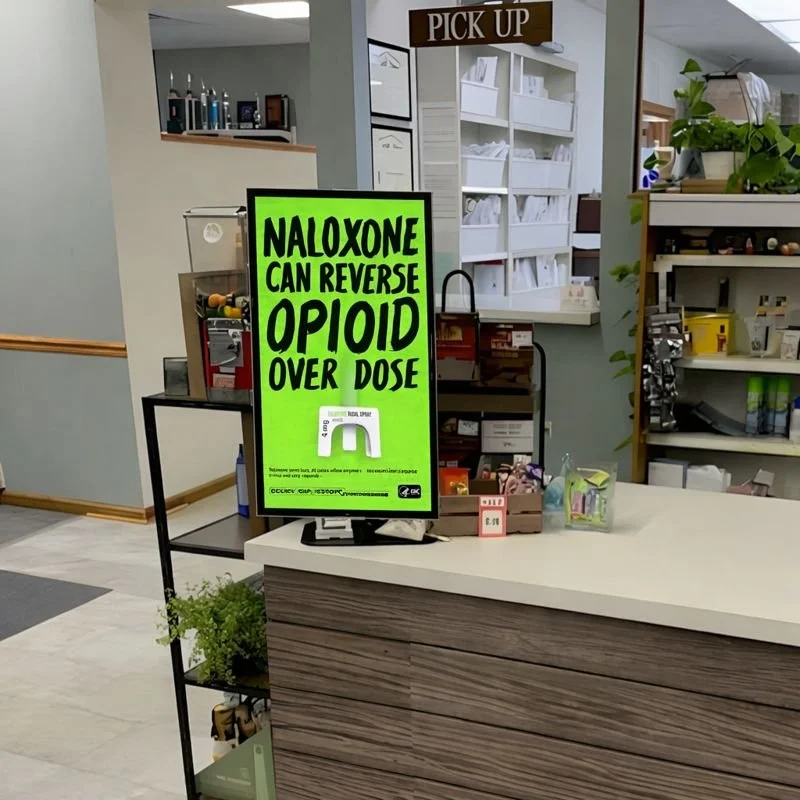
These are among the most consistently underutilized venues in public health campaigns, and among the most powerful for reaching under-50 populations, rural and suburban communities, and people who are simply not connected to formal healthcare settings. Convenience stores offer something most health venues cannot: high-frequency, recurring exposure across an extraordinarily broad demographic. Someone who fills up at the same gas station three times a week will see a message dozens of times over the course of a campaign — and repetition, as the behavioral science consistently shows, is essential for retention and behavior change.
Bars, Nightlife, and Social Venues
Bars, clubs, music venues, and LGBTQ+ nightlife spaces are natural environments for fentanyl awareness and polysubstance risk education. These are spaces where drug use is more likely to occur, where peer influence shapes behavior, and where a visible message about naloxone can feel immediately relevant rather than abstract. Campaigns placed in these environments have a strong opportunity to normalize harm reduction at exactly the moment when it matters most.
Public and Community Spaces
Libraries, recreation centers, community centers, and workforce development offices serve as critical equity touchpoints. They reach multilingual communities, people experiencing housing instability, and populations with limited digital access — groups that are frequently underserved by digital-first campaigns. Multilingual and culturally specific messaging in these environments can close significant gaps in reach.
What Messaging Works — and What Doesn't
The research on effective overdose prevention communication is fairly consistent on this point: trust and clarity outperform fear and complexity.

Messaging that performs well tends to use plain, non-judgmental language; offers a simple, specific call to action (carry naloxone; text 988; scan this QR code for test strips); and treats the audience as capable adults making difficult decisions in difficult circumstances. Visual clarity matters — especially in high-traffic environments where someone has three seconds to absorb a message.
What consistently underperforms is messaging that relies on fear-based imagery, clinical or legalistic language, heavy text blocks, or a tone that reads as moralistic or punitive. A CDC-published evaluation framework for overdose communication campaigns specifically cautions against messaging that emphasizes consequences over agency, noting that shame-based approaches are associated with lower recall, lower trust, and avoidance behavior among the populations campaigns most need to reach.
QR codes that link directly to local naloxone distribution sites, test strip programs, or 988 resources have proven particularly effective — they convert a passive impression into an actionable pathway without requiring the audience to remember a URL or navigate a health system website.
Why Repetition Is the Mechanism, Not a Nice-to-Have
A single impression doesn't change behavior. This is not a limitation unique to overdose prevention — it's a fundamental property of how information becomes action. Harm reduction behaviors, in particular, require repeated exposure before they are normalized, retained, and eventually practiced.
Place-based media is structurally well-suited to this requirement. A display in a neighborhood convenience store or community health clinic delivers dozens of impressions to the same individuals over the course of a campaign. Each impression reinforces the last. Over time, the message stops feeling like advertising and starts feeling like ambient community knowledge — which is precisely what you want.
This is why OOH and DOOH are not simply supplements to a digital strategy. For hard-to-reach populations, they are often the only channel capable of delivering the repetition required to drive behavioral change.
Integrating Place-Based Media into a Broader Campaign Architecture
The most effective overdose prevention campaigns treat place-based OOH as the anchor of a layered strategy, not an add-on. Physical presence in community environments builds awareness and trust. Digital channels — social media, search, email — provide reinforcement, depth, and direct pathways to services. Community partners provide the on-the-ground relationships that turn media exposure into real-world action.
The sequencing matters: OOH exposure drives search behavior and QR engagement. Community partners follow up with people who show interest. Digital campaigns retarget and reinforce. Together, these channels accomplish something none of them can achieve independently: sustained, high-frequency exposure across the full spectrum of environments where a target audience actually lives.
Measuring What Matters
Overdose prevention campaigns can be evaluated on more than clicks and impressions. For public health agencies accountable to funders and community stakeholders, a more meaningful measurement framework includes reach and frequency within priority census tracts or zip codes; geographic coverage of highest-risk areas as identified by overdose surveillance data; QR engagement rates as a proxy for intent to act; distribution volume for naloxone and test strips attributable to campaign placements; community and partner feedback on message resonance; and, where resources allow, pre/post awareness and recall surveys.
The goal isn't to prove that the campaign ran. It's to demonstrate that it reached people, that it changed what they knew, and — over time — that it contributed to the community-level behavioral shifts that reduce mortality.
The Bottom Line
The nationwide decline in overdose deaths is real, and it matters. But it is not the end of the crisis — it is evidence that sustained, multi-channel investment in prevention, treatment, and harm reduction works. The communities most at risk are not guaranteed to share in that progress. Five states saw overdose deaths increase in 2024 even as national numbers fell. Methamphetamine deaths rose. The drug supply continues to shift.
Closing those gaps requires reaching people who are not already engaged with health systems, not already online, and not already sympathetic to harm reduction messaging. That means showing up in the physical environments where they live — not waiting for them to come to you.
Place-based media is how you close the distance between a message and the people who need it most.
Ready to Build Your Overdose Prevention Media Plan?
PlaceBased works with public health departments, state agencies, nonprofits, and foundations to design and deploy overdose prevention campaigns in trusted community environments nationwide — from FQHCs and harm reduction sites to convenience stores, bars, and public spaces.
If you are planning an overdose prevention campaign or looking to extend your reach into hard-to-reach populations, we would be glad to help you build a strategy grounded in data, designed for your community, and built to measure.