What Are The Top Platforms For Point-of-Care Advertising in Healthcare Settings?
Why Healthcare Advertising Matters
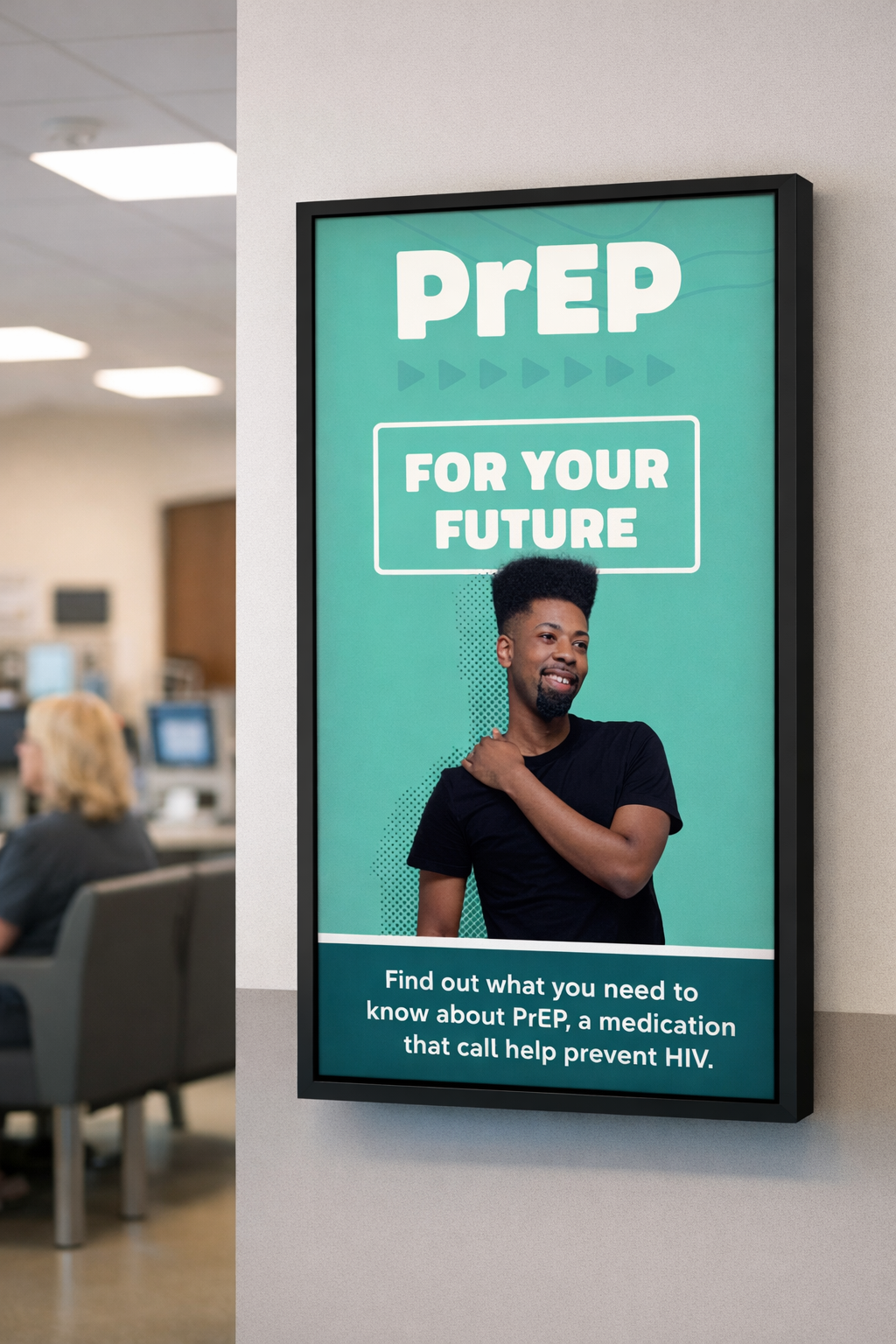
The waiting room has evolved. What was once a space filled with outdated magazines and muted televisions now represents one of the most valuable moments in healthcare marketing—a captive audience actively thinking about their health, receptive to relevant information, and often facing decisions about their care.
Point-of-care advertising places messaging directly within healthcare environments, reaching patients and caregivers during moments of heightened health awareness. For pharmaceutical companies, medical device manufacturers, health systems, and wellness brands, these platforms offer something increasingly rare: focused attention from a relevant audience.
Why Point-of-Care Advertising Works
The healthcare setting creates a unique psychological environment for advertising. Patients sitting in waiting rooms or exam rooms are already in a health-focused mindset. They're thinking about symptoms, treatments, and wellness in ways they simply aren't when scrolling social media or watching television at home.
This context matters enormously. A message about managing a chronic condition lands differently when someone is actively waiting to discuss that condition with their doctor. Educational content about treatment options carries more weight when a healthcare decision is imminent.
Research consistently shows that point-of-care advertising drives higher recall, greater intent to discuss with providers, and stronger action rates compared to traditional media channels.
The PlaceBased Advantage
PlaceBased has developed a point-of-care advertising network specifically designed to capitalize on these receptive moments. Through strategically positioned digital displays across healthcare environments, PlaceBased delivers health-related messaging to patients precisely when they're most open to receiving it.
The platform emphasizes contextual relevance, ensuring that advertising content aligns with the healthcare setting and patient needs. This approach benefits everyone involved: patients receive useful information, providers appreciate content that supports health literacy, and advertisers reach an engaged audience at a critical decision-making moment.
PlaceBased's network offers demographic and geographic targeting capabilities, along with specialty-specific placement that ensures messaging reaches appropriate patient populations. A campaign focused on diabetes management appears in endocrinology practices; content about pediatric health reaches family medicine offices with younger patient populations.
Key Channels Within Point-of-Care
Point-of-care advertising extends across several touchpoints within the healthcare journey.
Waiting room displays capture patients during the often-lengthy period before appointments, when attention is available and health concerns are top of mind.
Exam room screens reach patients in the final moments before provider consultations, priming conversations about specific conditions or treatments.
Pharmacy environments intercept patients at the moment of prescription fulfillment or over-the-counter purchase decisions, making them ideal for adherence messaging and product awareness.
Digital health platforms extend point-of-care principles into telehealth and health app environments, reaching patients during virtual consultations and condition management activities.
Reaching the Right Patients Across Medical Specialties
PlaceBased's point-of-care network spans a diverse range of medical specialties, enabling advertisers to target specific patient populations with precision. The network includes primary care and family medicine practices, where broad wellness and preventive health messaging resonates with general patient populations. For more targeted campaigns, advertisers can reach patients across numerous specialty environments:
Cardiology – Heart health initiatives and cardiovascular condition awareness
Endocrinology – Diabetes management and metabolic condition messaging
Oncology – Cancer treatment awareness and supportive care information
Orthopedics – Musculoskeletal health and mobility solutions
Dermatology – Skin health products and condition management
OB/GYN – Women's health campaigns and reproductive wellness
Pediatrics – Child health and family wellness messaging
Pulmonology – Respiratory condition education and treatment options
Neurology – Brain health and neurological condition awareness
Gastroenterology – Digestive health and GI condition management
This specialty-specific targeting ensures that advertising content aligns with patient needs and provider focus areas, maximizing relevance and driving stronger engagement with healthcare messaging.
Capitalizing on Dwell Time: The Power of the Waiting Room
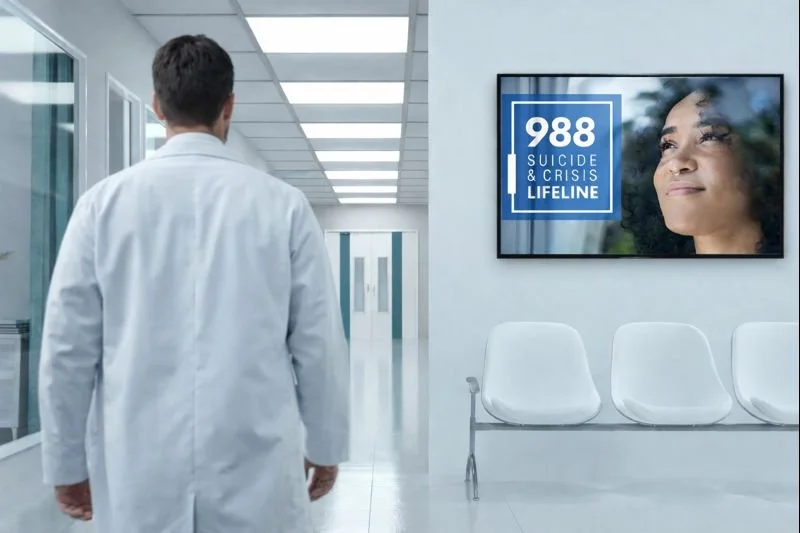
Unlike digital ads that are scrolled past in seconds or television commercials that get muted, point-of-care advertising benefits from something increasingly rare in today's media landscape: extended, uninterrupted attention. The average patient spends 15-20 minutes or more in a waiting room before their appointment, creating a substantial window of opportunity for meaningful message delivery. PlaceBased's network capitalizes on this dwell time by delivering content in an environment where patients aren't multitasking, rushing, or actively trying to skip past advertising. They're seated, their phones are often put away, and their minds are already focused on health. This captive environment allows for repeated exposure to messaging, reinforcing brand awareness and driving higher recall rates compared to traditional media channels. For advertisers, this translates into deeper engagement, stronger message retention, and ultimately greater influence on patient behavior and healthcare conversations.
Reaching Beyond the Patient: Engaging Caregivers and Family Members
Point-of-care advertising extends its influence beyond the individual patient to reach the caregivers, family members, and companions who often accompany them to appointments. These individuals frequently play a critical role in healthcare decisions, particularly in pediatric care, where parents make choices for their children, geriatric settings, where adult children help manage aging parents' health, and chronic condition management, where spouses and family members provide daily support. PlaceBased's network recognizes that healthcare is rarely a solo journey—caregivers research treatment options, remind patients to take medications, and advocate for loved ones during provider consultations. By reaching this broader audience in the waiting room environment, advertisers can influence the full circle of decision-makers involved in a patient's care. Messaging that speaks to caregiver concerns, offers support resources, or acknowledges the challenges of managing a loved one's health resonates deeply with this often-overlooked audience, creating additional touchpoints that drive awareness and action.
Considerations for Effective Campaigns
Point-of-care advertising operates under significant regulatory scrutiny, particularly for pharmaceutical and medical device companies. Messaging must comply with FDA guidelines, and reputable platforms maintain rigorous review processes to ensure appropriateness.
Beyond compliance, effectiveness in this space requires understanding the patient mindset. People in healthcare settings are often anxious, distracted by symptoms or diagnoses, and processing complex information. Advertising that acknowledges this context—that informs rather than simply sells—tends to perform better and generates less backlash from both patients and providers.
The most successful point-of-care campaigns treat the healthcare environment with respect, providing genuine value alongside commercial messaging. Educational content, condition awareness, and treatment information all perform well when delivered thoughtfully.
The Future of Healthcare Advertising
Integration is the direction of travel. Platforms that can connect waiting room exposure to digital follow-up and meaningful health outcomes will command premium positioning in the market.
Privacy remains paramount. Patients are increasingly aware of how their health data might be used, and regulatory frameworks like HIPAA impose strict limitations. Platforms that navigate this tension thoughtfully—delivering relevance without crossing into surveillance—demonstrate the kind of responsibility that healthcare advertising demands.
Point-of-care advertising remains one of the few channels where healthcare brands can reach patients in a mindset of active health consideration. When executed responsibly, it serves both commercial and educational purposes, helping patients make more informed decisions about their care while delivering measurable results for advertisers.
For brands looking to connect with patients at these critical moments, choosing the right point-of-care partner makes all the difference.