LGBTQ+ Marketing & Advertising in Local Communities
The LGBTQ+ community represents one of the most engaged and brand-loyal consumer segments in the United States today. With an estimated purchasing power exceeding $1.4 trillion and a demonstrated preference for brands that authentically support their community, LGBTQ+ consumers offer significant opportunities for marketers willing to move beyond performative allyship. The key to meaningful connection lies not just in what you say, but where you say it—and that's where place-based out-of-home (OOH) advertising becomes transformative.
Place-based OOH advertising goes beyond traditional billboards and transit ads by strategically positioning messages in locations where your target audience naturally gathers, socializes, and lives. For LGBTQ+ marketing, this approach taps into something fundamental: the deep cultural value placed on community spaces, chosen family, and venues that have historically served as safe havens for self-expression and connection.

Understanding the LGBTQ+ Consumer Landscape
The LGBTQ+ community encompasses remarkable diversity. It includes gay men, lesbians, bisexual individuals, transgender people, queer-identifying individuals, and many others across the spectrum of gender identity and sexual orientation. Each group brings unique perspectives, experiences, and consumer behaviors. What unites these communities, however, are shared experiences of navigating identity, seeking acceptance, and building supportive networks—factors that profoundly influence brand relationships and purchasing decisions.
Generational differences add another layer of complexity. Older LGBTQ+ consumers often have vivid memories of fighting for basic rights and may have experienced significant discrimination, making them particularly attuned to authentic versus performative brand support. Younger generations, while often more visibly out, face their own challenges and tend to hold brands to high standards of genuine inclusivity. This generational spectrum means that one-size-fits-all messaging rarely resonates across the entire community.
Geographically, while LGBTQ+ individuals live everywhere, certain neighborhoods, cities, and venues serve as cultural hubs where community members gather, celebrate, and support one another. These concentrated gathering patterns create powerful opportunities for place-based marketing strategies that can efficiently reach engaged LGBTQ+ consumers in culturally relevant environments where they feel seen and valued.
The Power of Place-Based OOH for LGBTQ+ Audiences
Traditional mass marketing approaches often miss the mark with LGBTQ+ consumers because they fail to account for the community-centric nature of LGBTQ+ culture. Place-based OOH advertising succeeds where other methods fall short by meeting consumers in the spaces that matter most to them—their neighborhoods, their social venues, their community centers.
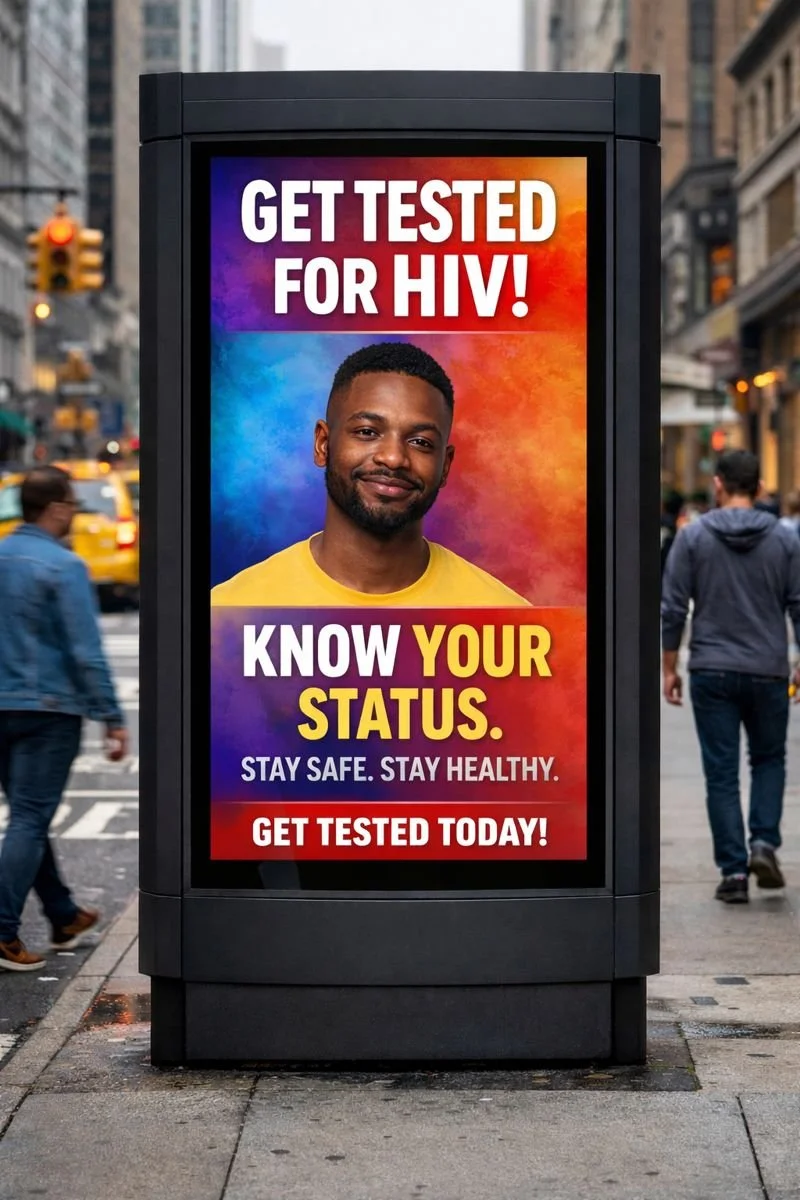
When a brand appears consistently in the places where LGBTQ+ individuals socialize, seek services, and build community, it signals more than just advertising presence—it demonstrates year-round commitment and cultural understanding. This local visibility builds trust in ways that distant, generic advertising cannot match. A display in a beloved neighborhood café or signage at a community health center doesn't just deliver impressions; it becomes part of the community fabric.
The engagement rates speak for themselves. LGBTQ+ consumers show significantly higher recall and positive sentiment toward brands that advertise in culturally relevant locations compared to those that only appear during Pride month or rely solely on mainstream media placements. This isn't surprising when you consider that seeing a brand message while enjoying time at a favorite venue or accessing community services creates a more personal, contextual connection than encountering the same message in a generic setting.
Strategic Location Selection
Success in place-based LGBTQ+ OOH advertising starts with thoughtful location selection. The most effective campaigns identify venues and neighborhoods where LGBTQ+ consumers are not just present, but engaged and receptive to brand messages.
Nightlife venues have historically served as cornerstone gathering places for LGBTQ+ communities. Bars, clubs, and entertainment venues in LGBTQ+-friendly areas offer access to highly engaged audiences in celebratory, social contexts. These spaces hold deep cultural significance—they've long served as places where community members can be their authentic selves. Advertising in these venues signals understanding of and respect for that history. Keep in mind that nightlife skews younger and more urban, so it should be balanced with other venue types for broader demographic reach.
Cafés and restaurants in LGBTQ+-friendly districts provide daytime visibility and access to a broader demographic range. These venues serve as informal community living rooms—places where people meet friends, work remotely, and spend leisure time. Unlike nightlife venues, they reach LGBTQ+ consumers across age groups and lifestyles, from young professionals to older couples to families.
Community centers and LGBTQ+ resource organizations offer access to highly engaged audiences in settings where community support and identity affirmation are central. These locations may offer lower raw impression numbers, but the quality of engagement and cultural relevance often delivers superior results. Brands appearing in these spaces demonstrate genuine investment in community wellbeing.
LGBTQ+-affirming healthcare facilities require careful consideration. Community health centers that openly serve LGBTQ+ populations and visibly display inclusive messaging can be appropriate partners. However, it's essential to approach healthcare settings with sensitivity to privacy. The focus should be on facilities that have established themselves as explicitly LGBTQ+-affirming spaces, rather than targeting based on patient demographics. People accessing healthcare services—particularly services related to sexual health, gender-affirming care, or mental health—deserve to do so without feeling their presence is being leveraged for advertising purposes.
Gyms and fitness centers popular with LGBTQ+ communities offer regular, repeated exposure to health-conscious consumers in positive, aspirational contexts. Many cities have gyms that have become de facto community spaces, offering advertising opportunities that reach people during their daily routines.
Cultural venues including theaters, bookstores, galleries, and performance spaces in LGBTQ+-friendly areas reach consumers engaged in arts and culture. These venues often attract educated, higher-income demographics and provide contexts where thoughtful, sophisticated messaging can shine.
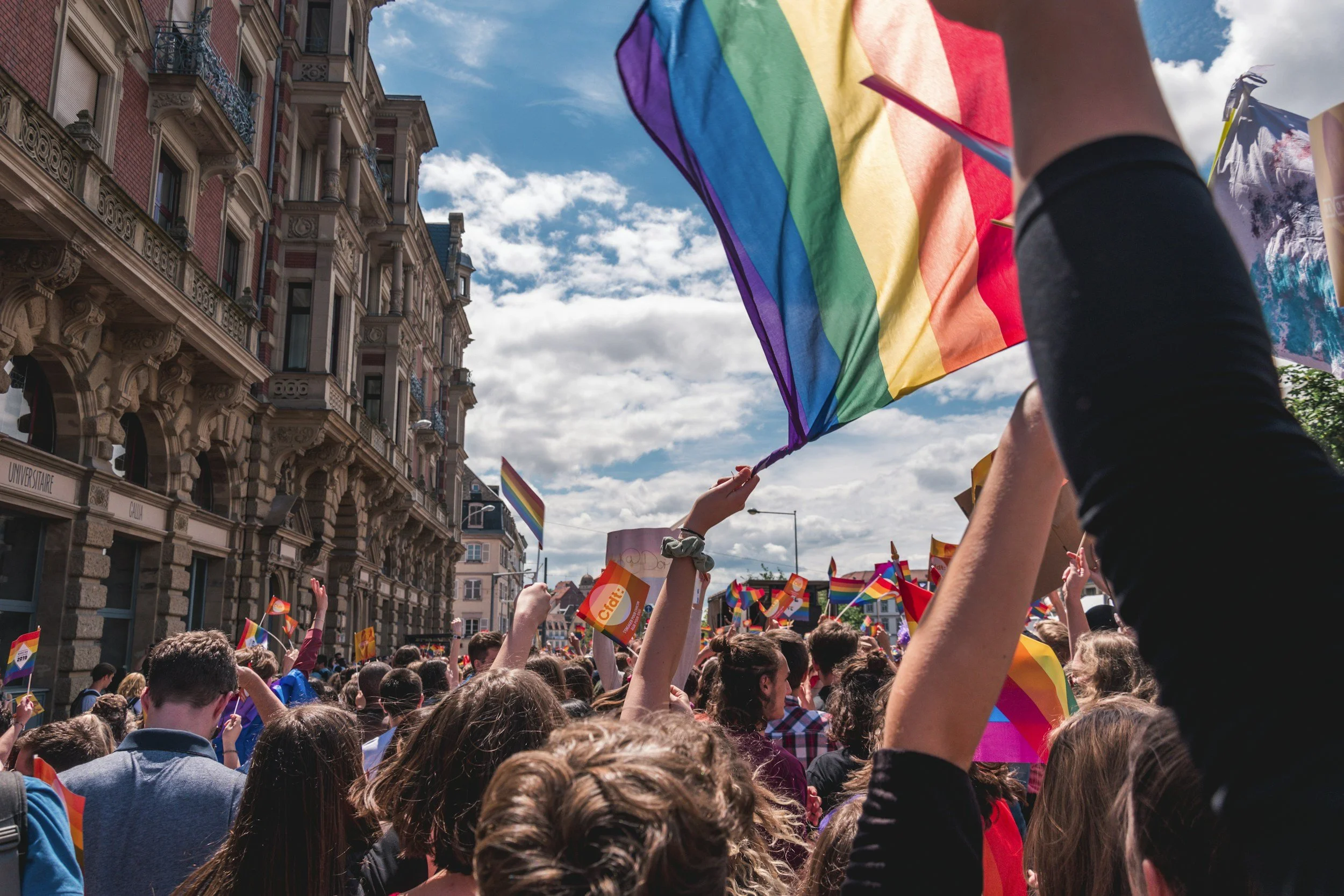
Pride events and festivals represent high-impact seasonal opportunities with massive visibility. While concentrated in specific timeframes, these events offer unparalleled access to celebratory, engaged audiences. Brands with year-round presence in other venues can use Pride events to amplify their ongoing community commitment.
Year-Round Presence vs. Pride Month Only
One of the most significant opportunities—and potential pitfalls—in LGBTQ+ marketing is the question of timing. Many brands face well-deserved criticism for "rainbow-washing": appearing with Pride-themed messaging in June and disappearing for the remaining eleven months. LGBTQ+ consumers are acutely aware of this pattern and increasingly skeptical of brands that treat their identity as a seasonal marketing opportunity.
Place-based OOH offers a powerful solution to this challenge. By maintaining consistent presence in LGBTQ+-frequented venues throughout the year, brands demonstrate sustained commitment that builds genuine trust. This doesn't mean Pride messaging year-round—rather, it means relevant, respectful brand presence that acknowledges the community without reducing it to a single month of celebration.
The most successful brands treat June as an amplification of their year-round efforts rather than a standalone campaign. When consumers see your brand at their local café in February and at Pride in June, the continuity communicates authentic support rather than opportunistic marketing.
Creative Considerations for LGBTQ+ OOH
Creating effective OOH creative for LGBTQ+ audiences requires moving beyond tokenism to genuine representation. The most successful campaigns develop messaging that feels authentically inclusive rather than performatively progressive.
Visual representation matters enormously. LGBTQ+ consumers quickly identify and reject imagery that feels like checking a box rather than reflecting real community members. Successful campaigns feature diverse representation across the LGBTQ+ spectrum—not just young, white, cisgender gay men, but the full range of identities, ages, body types, and racial backgrounds that comprise actual communities. Showing same-sex couples, transgender individuals, non-binary people, and others in natural, aspirational situations communicates genuine understanding.
Authenticity in messaging means avoiding both stereotypes and over-explanation. LGBTQ+ consumers don't need brands to explain their identities to them or to applaud themselves for basic inclusion. The most effective creative shows LGBTQ+ people living full lives—working, playing, celebrating, parenting, aging—without making their identity the sole focus of the message.
Community and chosen family themes resonate particularly well because these concepts are central to LGBTQ+ experience. Many LGBTQ+ individuals have built families of choice that supplement or replace biological family relationships. Messaging that acknowledges and celebrates these diverse family structures often outperforms traditional nuclear family imagery.
Design elements should feel contemporary and aspirational rather than relying heavily on rainbow imagery, which can come across as reductive when overused. While Pride colors have their place—particularly during Pride season—year-round creative can demonstrate inclusivity through representation and messaging without defaulting to the same visual shorthand.

Privacy and Ethical Considerations
Place-based LGBTQ+ marketing requires careful attention to privacy and ethical considerations that may not apply as strongly in other demographic targeting.
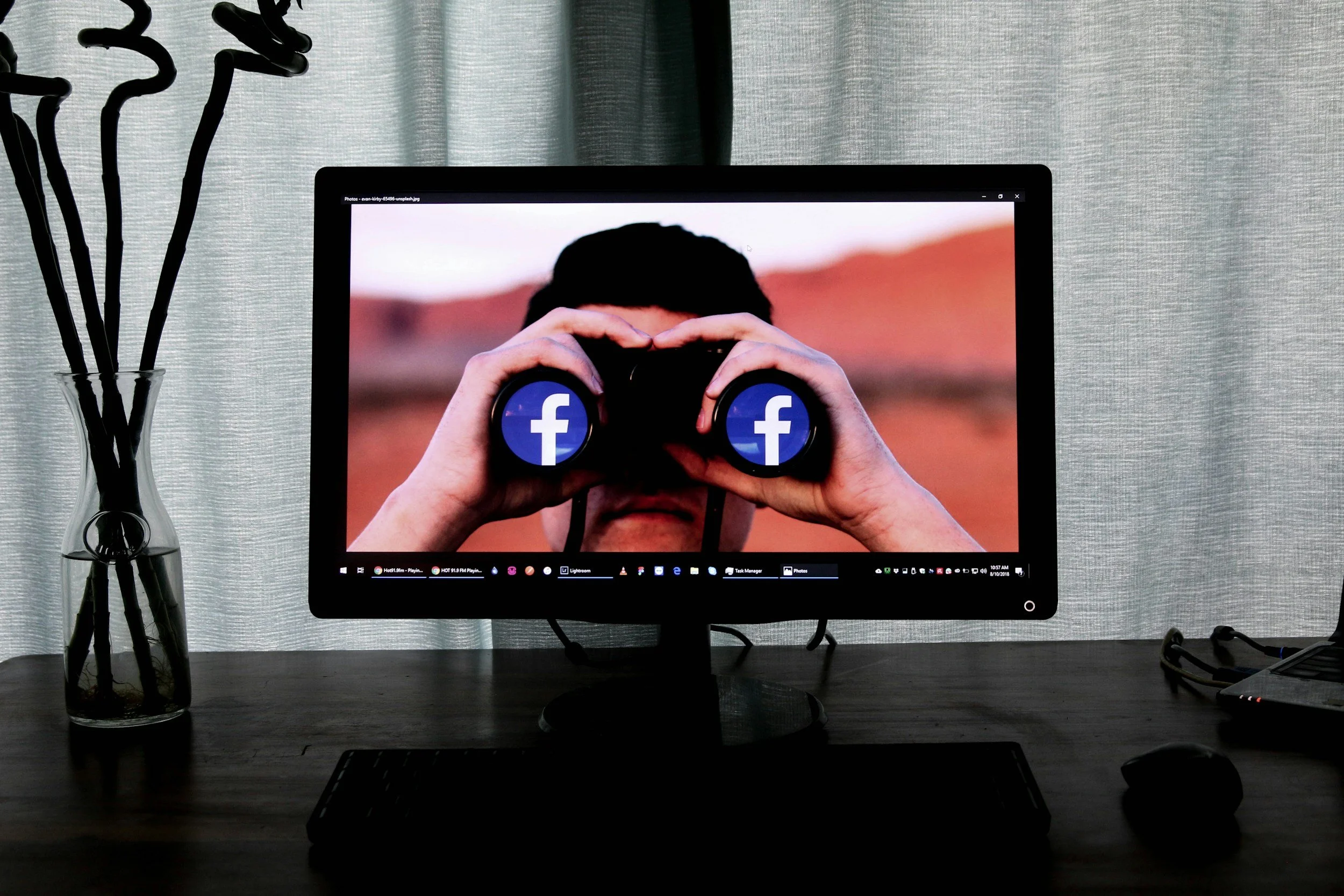
Not everyone who frequents LGBTQ+ spaces is openly out in all areas of their life. Someone may be fully out to friends but not to family or coworkers. Marketing approaches that could inadvertently "out" individuals—such as retargeting based on venue visits or overly personalized follow-up—should be avoided. The goal is to reach people in spaces where they've chosen to be, not to follow them elsewhere.
Healthcare settings require particular sensitivity. While LGBTQ+-affirming clinics and community health centers can be valuable partners, the focus should be on facilities that have publicly established themselves as serving these communities, not on targeting based on the types of services someone might be seeking. A person accessing HIV prevention services, gender-affirming care, or mental health support deserves privacy, not marketing based on their healthcare choices.
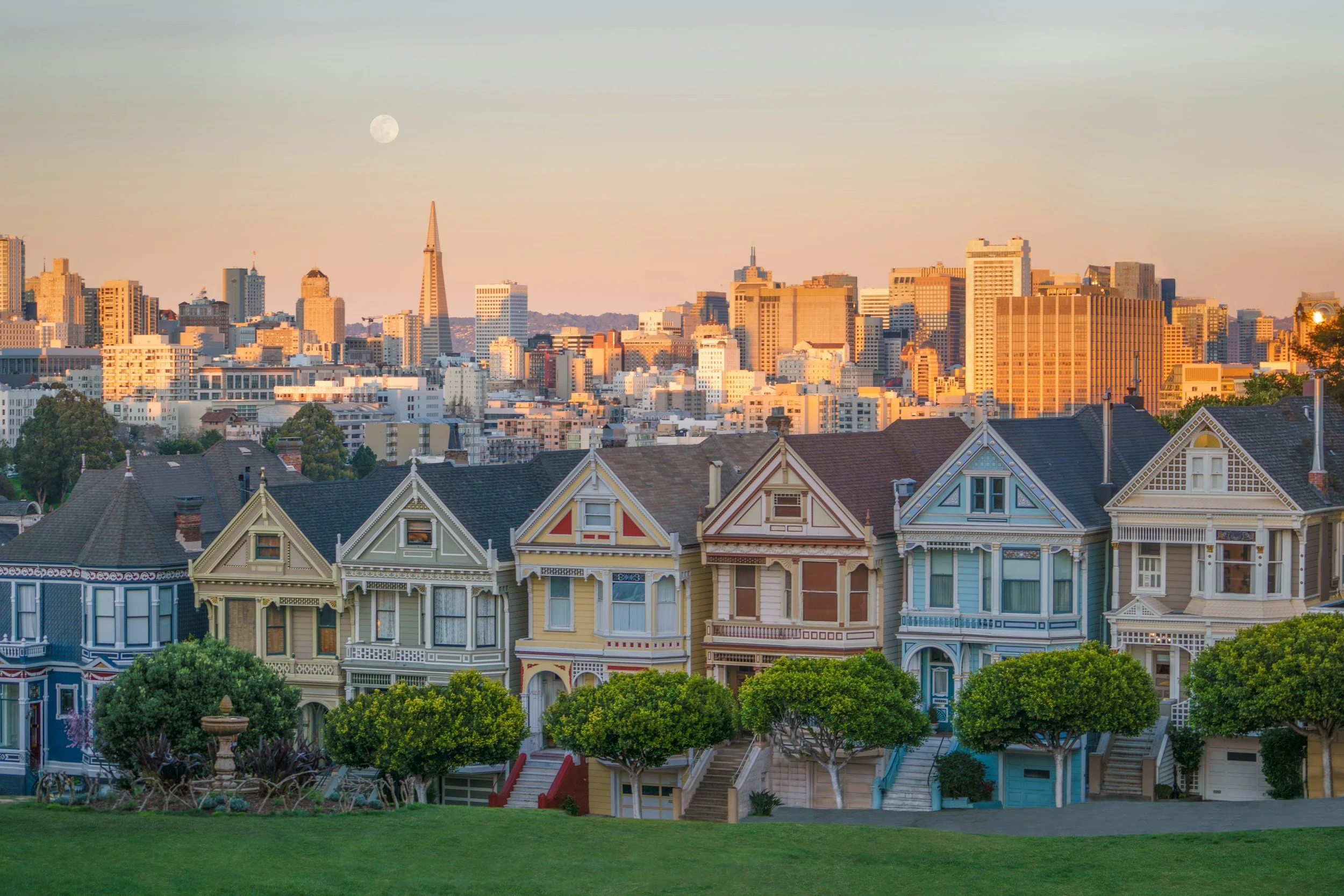
Geographic considerations also matter. LGBTQ+ visibility and safety vary dramatically by region. Campaigns should be thoughtful about the local context—what works in San Francisco's Castro district might not be appropriate or safe in other locations. Understanding local community dynamics is essential for respectful, effective campaigns.
Best Practices and Success Factors
The most successful place-based LGBTQ+ OOH campaigns share several common characteristics. They integrate seamlessly with broader marketing strategies, ensuring consistent messaging across touchpoints while adapting delivery to location-specific contexts.
Community partnership opportunities amplify campaign impact while demonstrating genuine community investment. Brands that sponsor local events, support LGBTQ+ organizations, or collaborate with LGBTQ+-owned businesses create authentic connections that extend far beyond advertising impressions. When your OOH presence is backed by real community involvement, the advertising itself carries more weight.
Consistency across time builds trust more effectively than intensity during a single period. A modest year-round presence often outperforms heavy Pride-month-only spending because it demonstrates sustained commitment rather than seasonal opportunism.
Internal alignment matters too. LGBTQ+ consumers increasingly research brand practices before making purchase decisions. External marketing that's contradicted by poor internal LGBTQ+ policies, lack of diversity in leadership, or political donations to anti-LGBTQ+ causes will backfire. The most successful campaigns are backed by genuine corporate commitment to LGBTQ+ inclusion.
One financial services company achieved notable success by combining year-round presence in LGBTQ+-friendly neighborhood cafés and cultural venues with sponsorship of local LGBTQ+ community organizations. Rather than Pride-specific messaging, their creative featured diverse same-sex couples and families in life-stage scenarios relevant to their services. The sustained, authentic approach built trust that translated to measurable market share gains in target communities.
Technology and Measurement
Digital OOH technology opens new possibilities for LGBTQ+ marketing by enabling contextual content customization. Smart displays can adjust messaging based on time of day or day of week—showing different creative during weekend evening hours at nightlife venues versus weekday mornings at cafés—while maintaining consistent brand presence.
Mobile integration through QR codes allows brands to extend OOH messages into digital experiences, connecting consumers with additional content, offers, or community information. This bridge between physical and digital worlds aligns with LGBTQ+ consumers' high digital engagement rates.
Measuring success requires metrics that go beyond traditional impression counting to capture cultural relevance and community impact. Brand lift studies conducted specifically within targeted LGBTQ+ communities provide insights into message resonance and purchase intent. Sentiment analysis on social media can help gauge community reception of campaigns.
Successful campaigns track not just immediate conversion but also longer-term brand perception metrics, social media engagement from community members, and brand recommendation rates. The social effects of positive LGBTQ+ marketing often multiply direct impact through word-of-mouth within tight-knit communities.
Common Pitfalls and How to Avoid Them
Even well-intentioned brands can stumble when entering LGBTQ+ OOH advertising. The most common mistake is treating LGBTQ+ consumers as a uniform group rather than recognizing the diversity of identities, generations, and experiences within this demographic.
Rainbow-washing—superficial Pride-themed campaigns without sustained commitment—damages brand reputation within communities where word travels fast. Similarly, tokenistic representation that feels like checking a box rather than genuine inclusion generates backlash rather than loyalty.
Inconsistency between external marketing and internal practices represents another frequent error. Brands that advertise to LGBTQ+ consumers while lacking inclusive workplace policies, diverse leadership, or aligned political engagement are quickly called out and rejected.
The solution to these pitfalls lies in authentic community engagement during campaign development. Working with LGBTQ+ marketing specialists, conducting community research, partnering with LGBTQ+ organizations, and testing creative concepts with community members helps identify potential issues before campaigns launch. Most importantly, marketing efforts should be backed by genuine corporate commitment to LGBTQ+ inclusion that extends beyond advertising spend.
Future Opportunities
The LGBTQ+ OOH advertising landscape continues to evolve alongside shifting cultural dynamics and advancing technology. Increasing mainstream visibility and acceptance create opportunities for brands to reach LGBTQ+ consumers in broader contexts while maintaining culturally specific venue strategies.
Generational shifts bring both challenges and opportunities. Younger LGBTQ+ consumers often use different language, frequent different spaces, and hold different expectations than older generations. Successful brands will develop nuanced approaches that honor community history while remaining relevant to emerging demographics.
Growing LGBTQ+ populations in non-traditional regions create new opportunities for brands willing to invest in community-building approaches beyond coastal urban centers. As visibility increases in secondary cities, suburban areas, and more conservative regions, the potential for place-based OOH campaigns expands.
Intersectionality will become increasingly important. LGBTQ+ individuals hold multiple identities—they are also members of racial and ethnic communities, various socioeconomic groups, and geographic regions. Future campaigns will need to acknowledge and honor these intersecting identities rather than treating LGBTQ+ identity in isolation.
Conclusion
Place-based out-of-home advertising represents a powerful opportunity for brands seeking authentic connections with LGBTQ+ consumers. By combining strategic location selection with culturally intelligent creative development, year-round commitment, and community-focused execution, brands can build lasting relationships that drive both immediate results and long-term loyalty.
The key to success lies in recognizing that effective LGBTQ+ marketing goes beyond surface-level representation to genuine understanding and sustained commitment. When brands invest in authentic community presence—not just during Pride month, but throughout the year—place-based OOH becomes more than advertising. It becomes community partnership.
As LGBTQ+ consumers continue to grow in visibility, influence, and expectations of the brands they support, companies that master the art of authentic place-based marketing will find themselves with significant competitive advantages. The opportunity is substantial, but it requires commitment to year-round presence, genuine inclusion, and long-term relationship building.
For brands ready to move beyond rainbow-washing to meaningful community engagement, place-based OOH advertising offers a proven path to LGBTQ+ market success. The communities are waiting, the locations are available, and the opportunity has never been greater.