
Advertising in Tribal communities: Tribal Community Centers, IHS locations and reservationsGuided by community.
Tribal community advertising brings public health messages into the places American Indian and Alaska Native community members gather and seek care: Tribal Community Centers, Indian Health Service (IHS) locations, and venues on reservations. PlaceBased Media plans and runs these campaigns as a fully managed service, with creative shaped by community guidance.
- 500,000+ locations
- AAM-audited delivery
- English, Spanish + 15 more languages
- Fully managed
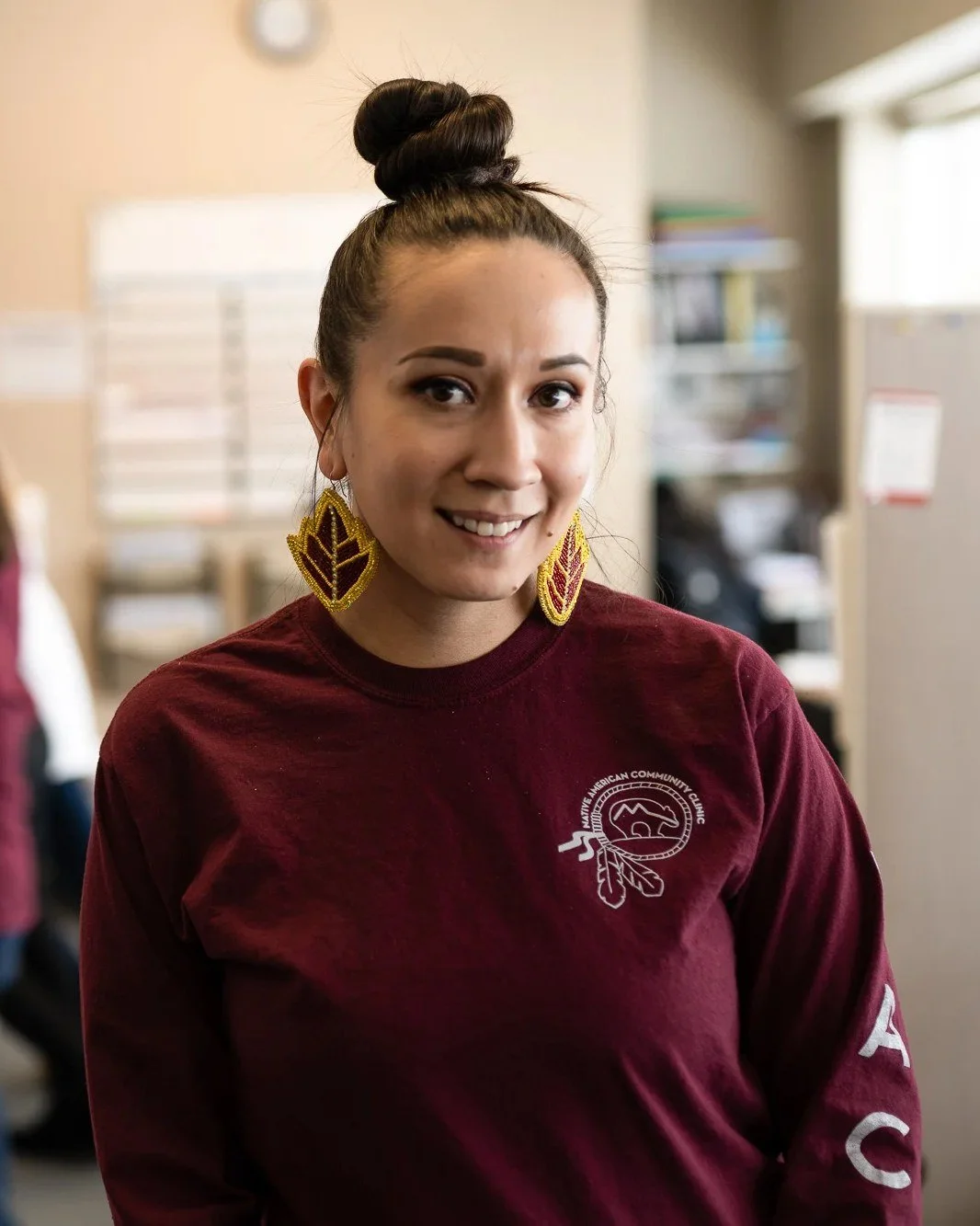
Many media companies specialize in impressions. We specialize in impact.
There is no single "Native audience."
Each Tribe is a sovereign nation with its own government, culture, language, and health priorities. Geography varies too. Reservation and Tribal venues are one part of a plan; urban clinics, community centers, and rural community hubs may be others.
9.7 million people identify as American Indian and Alaska Native.
Source: U.S. Census Bureau, “2020 Census Illuminates Racial and Ethnic Composition of the Country,” 2021.AI/AN life expectancy is 5.5 years shorter than the U.S. average.
Source: Indian Health Service (HHS), “Disparities Fact Sheet,” current page (data 2009–2011).AI/AN adults are 36% more likely to have diabetes than U.S. adults overall.
Source: HHS Office of Minority Health, “Diabetes and American Indians/Alaska Natives,” 2025 (2024 data).
As a general good practice, campaigns in Tribal communities should:
- Involve Tribal health departments, Tribal leadership, or community advisors early, before creative is final.
- Get permission for placements on Tribal land and in Tribal facilities.
- Let the community shape and review the message.
We don't speak for any Tribe, and no campaign should.
Point to resources and strengths.
Health gaps in Native communities are not about culture. IHS describes the causes of persistent inequities as "rooted in a complex history of federal-Indian relations, policies, and systemic barriers" (IHS). Good messages point to resources and strengths, not blame.
Health equity & access
Enrollment, local care options, telehealth, and help navigating care.
Substance use
Overdose prevention, naloxone, and treatment and recovery. American Indian and Alaska Native people had the highest drug overdose death rate of any group in 2024, 51.6 per 100,000, though it fell from 65.0 in 2023 (CDC).
Substance use prevention guide →Diabetes & chronic disease
Screening, prevention programs, and care management. In 2021–2023, 15.7% of American Indian and Alaska Native adults had diagnosed diabetes, vs. 7.1% of White adults (CDC).
988 & mental health
Awareness of the 988 Suicide & Crisis Lifeline and local support. Suicide rates were highest among American Indian and Alaska Native people in 2023, but fell 15.3% from 2021 to 2023 (CDC).
988 campaign guide →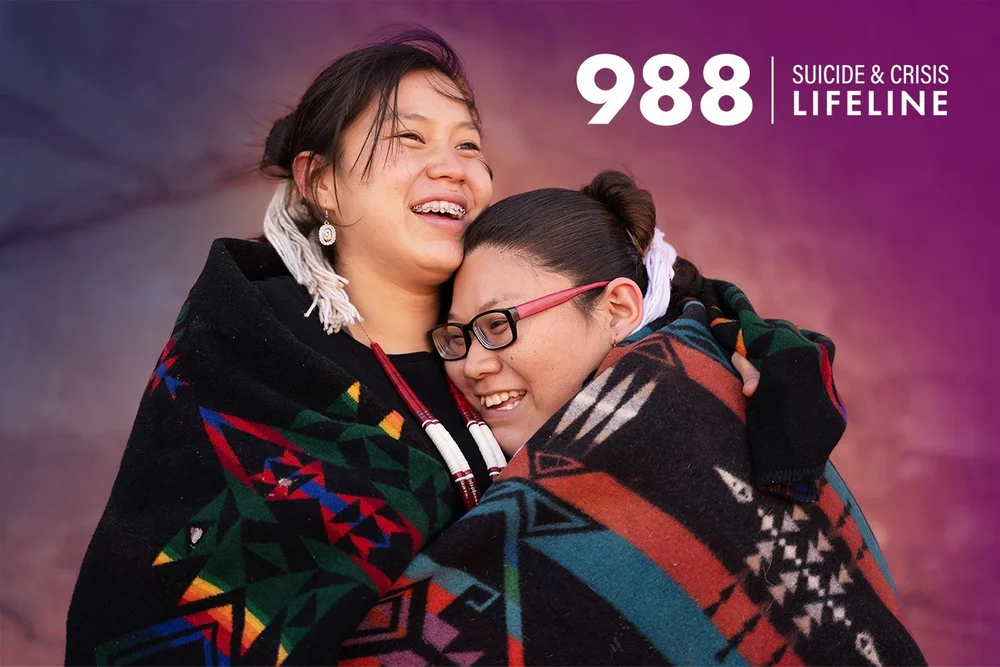
Built with the community, not for it.
These are general good practices, not rules for any one Tribe:
- Build it with community guidance.Community members and Tribal health staff know what will land and what won't.
- Show real, present-day life.Feature community members, with permission, in everyday settings. No stereotypes, sacred symbols, or generic "Native-inspired" designs.
- Use the community's own terms.Name the Tribe only where the Tribe has approved it.
- Handle language with care.Use Native-language text only when the community wants it and provides or approves the translation.
- Lead with strength.Focus on resilience and on clear, practical next steps.
- Point to local resources.Where appropriate, name the Tribal or IHS program people can contact.
Four steps, room for review.
Planning
We map Tribal, IHS, and reservation venues to your priority communities, alongside rural and urban venues where they fit.
Production
We format your creative or help build it, with room for community review.
Installation
We coordinate every venue and replace anything damaged or missing during the flight.
Reporting with photo proof
Time-stamped, geo-tagged photos for every location and delivery reporting you can share with Tribal partners.
Learn more in our guide to Native American advertising on reservations, and see the full range of venues and topics on our public health advertising page. Our case studies include a national naloxone education and fentanyl awareness campaign that reached Tribal communities.
Questions, answered.
01Can you place ads in IHS locations and on reservations?
Yes. Tribal, IHS, and reservation venues are part of the PlaceBased network. Availability varies by area, so your plan lists exact locations before you commit.
02Do we need Tribal approval?
As a general good practice, yes. Placements on Tribal land and in Tribal facilities should have the Tribe's or facility's permission, and creative should reflect community input.
03Can creative be in a Native language?
Yes, when the community wants it. The translation should come from or be approved by that community.
04Can you reach Native people who live in cities?
Yes. Plans can add urban clinics, community centers, and multicultural venues alongside Tribal and reservation placements.
05Who runs campaigns in Tribal communities?
Tribal health departments, state and federal health programs, nonprofits, and the agencies that serve them.
06Do you target individuals?
No. We target by location, venue type, and geography. We never use personal or health data.
Pair Tribal venues with.
Public health
Campaigns for health departments and nonprofits.
Explore public health →Community centers
Rec centers, gyms and youth sports.
Explore community centers →Point of care
Waiting rooms, exam rooms and HCP lounges.
Explore point of care →Multicultural
In-language, in-culture, in-neighborhood.
Explore multicultural →See every media solution.
All media solutions →Planning a campaign? Start with our public health advertising overview, compare DOOH advertising screens, or browse every OOH and DOOH media solution. Plan by audience with Native American outreach.
Let's talk.
Tell us which communities you want to support and what you hope people will do. We'll come back with venue options, a plan that leaves room for community guidance, and an honest read on what your budget can do.