SAMHSA Funded Naloxone Education & Fentanyl Awareness Campaign
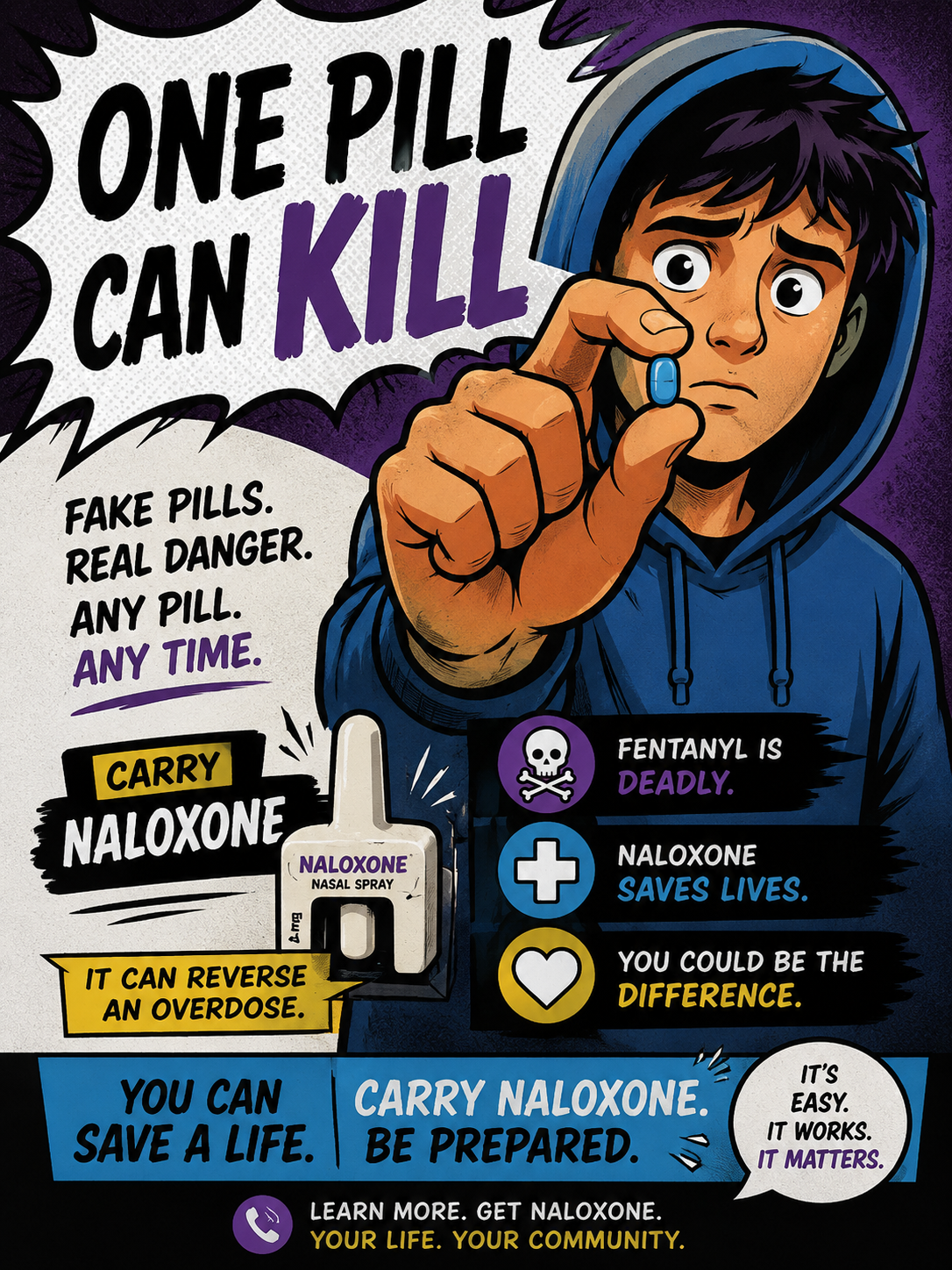
Reaching High-Risk Communities Nationwide Through Place-Based Public Health Media
The Challenge
As the opioid epidemic continued to impact communities across the United States, the Substance Abuse and Mental Health Services Administration (SAMHSA) sought an effective way to increase awareness of fentanyl risks and expand public education surrounding naloxone—the life-saving medication that can reverse an opioid overdose.
The campaign required more than broad awareness. It needed to reach priority populations with culturally relevant messaging in trusted environments where individuals were most likely to engage with prevention resources. This included underserved communities, rural populations, young adults, LGBTQ+ audiences, Tribal communities, and individuals with limited access to traditional healthcare or digital media.
The Solution
PlaceBased Media executed a place-based advertising campaign that delivered fentanyl prevention and naloxone education messages across a diverse network of healthcare, community, educational, and cultural venues.
Rather than relying solely on digital advertising, the campaign placed prevention messaging directly within the environments where people live, learn, receive care, and connect with their communities. This approach created repeated exposure among high-priority audiences while ensuring educational resources appeared in trusted settings where they were most relevant.
The campaign reached communities across both major metropolitan areas and rural regions, extending federal public health messaging into locations often underserved by traditional advertising channels.
Target Audiences
The campaign was strategically designed to reach populations disproportionately affected by the opioid crisis, including:
Individuals at risk of opioid overdose
Friends and family members of people who use opioids
Rural communities
Young adults and college students
LGBTQ+ communities through nightlife venues
American Indian and Native American communities, including reservation-based outreach
Patients in healthcare settings
Community members seeking health and social services
Media Strategy
PlaceBased Media deployed messaging across a nationwide network of trusted community environments, including:
Healthcare
Primary Care Clinics
Community Health Centers
Federally Qualified Health Centers (FQHCs)
Behavioral Health Clinics
Urgent Care Centers
Pharmacies
Education
Colleges and Universities
Community
Community Centers
Workforce Development Centers
Recreation Facilities
Social Service Organizations
Cultural & Specialty Outreach
LGBTQ+ Nightlife Venues
American Indian & Native American Reservation Communities
Multicultural Community Locations
By integrating healthcare, education, and community environments into a single coordinated media strategy, the campaign achieved broad reach while maintaining highly targeted audience engagement.
Campaign Highlights
National Reach:
Campaign deployment across multiple states and diverse community settings
Audience-Focused Strategy:
Tailored placement within trusted environments serving priority populations
Venue Diversity:
Healthcare • Community • Higher Education • Nightlife • Tribal Communities
Public Health Focus:
Naloxone Education • Fentanyl Awareness • Overdose Prevention • Health Equity
Why Place-Based Media Worked
The opioid crisis affects communities differently, requiring communication strategies that go beyond traditional mass media.
By delivering messaging within healthcare facilities, colleges, LGBTQ+ venues, Tribal communities, and community organizations, the campaign reached individuals during everyday moments when prevention information was most relevant and actionable.
This environment-based approach reinforced educational messaging through repeated exposure while expanding access to life-saving information among populations that are often difficult to reach through digital advertising alone.
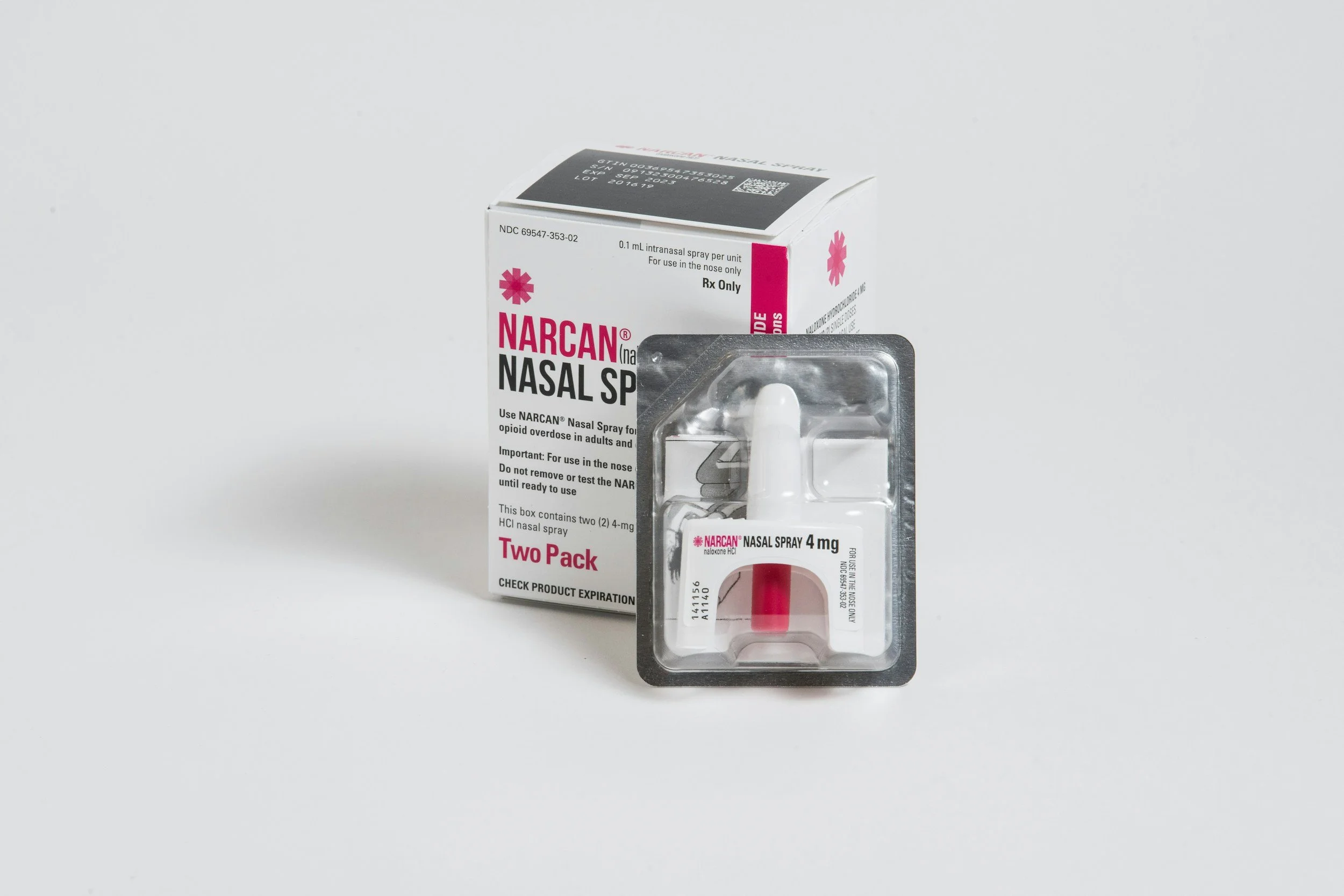
The campaign also supported SAMHSA's broader commitment to health equity by ensuring prevention resources were distributed across urban and rural communities alike.
Results
The SAMHSA Naloxone Education & Fentanyl Awareness campaign demonstrates how federal public health funding can be activated through strategic place-based media to reach diverse audiences at scale.
By combining healthcare, education, community, and culturally specific venues into a unified national media strategy, PlaceBased Media helped extend life-saving overdose prevention messaging into trusted environments where awareness could translate into meaningful community impact.
Key Takeaways
Nationwide place-based media deployment
Healthcare, community, education, and nightlife venue activation
LGBTQ+ audience outreach through trusted community venues
American Indian and Native American reservation targeting
Rural and urban community coverage
College and university outreach
Naloxone education and fentanyl awareness
Health equity-focused media strategy
Repeated exposure in trusted environments
Planning a Public Health Awareness Campaign?
Whether you're launching a national overdose prevention initiative, statewide behavioral health campaign, substance use prevention effort, or community outreach program, PlaceBased Media helps government agencies, healthcare organizations, and nonprofits reach priority audiences where they live, learn, receive care, and connect.