
OOH & DOOH Advertising in Oklahoma Oklahoma City to small-town Oklahoma. One plan.
PlaceBased Media plans, places and verifies place-based and DOOH advertising across Oklahoma: clinics, pharmacies, gas stations, grocery stores, schools, campuses and more, in big metros and small towns alike.
- 500,000+ locations
- AAM-audited delivery
- English, Spanish + 15 more languages
- Fully managed
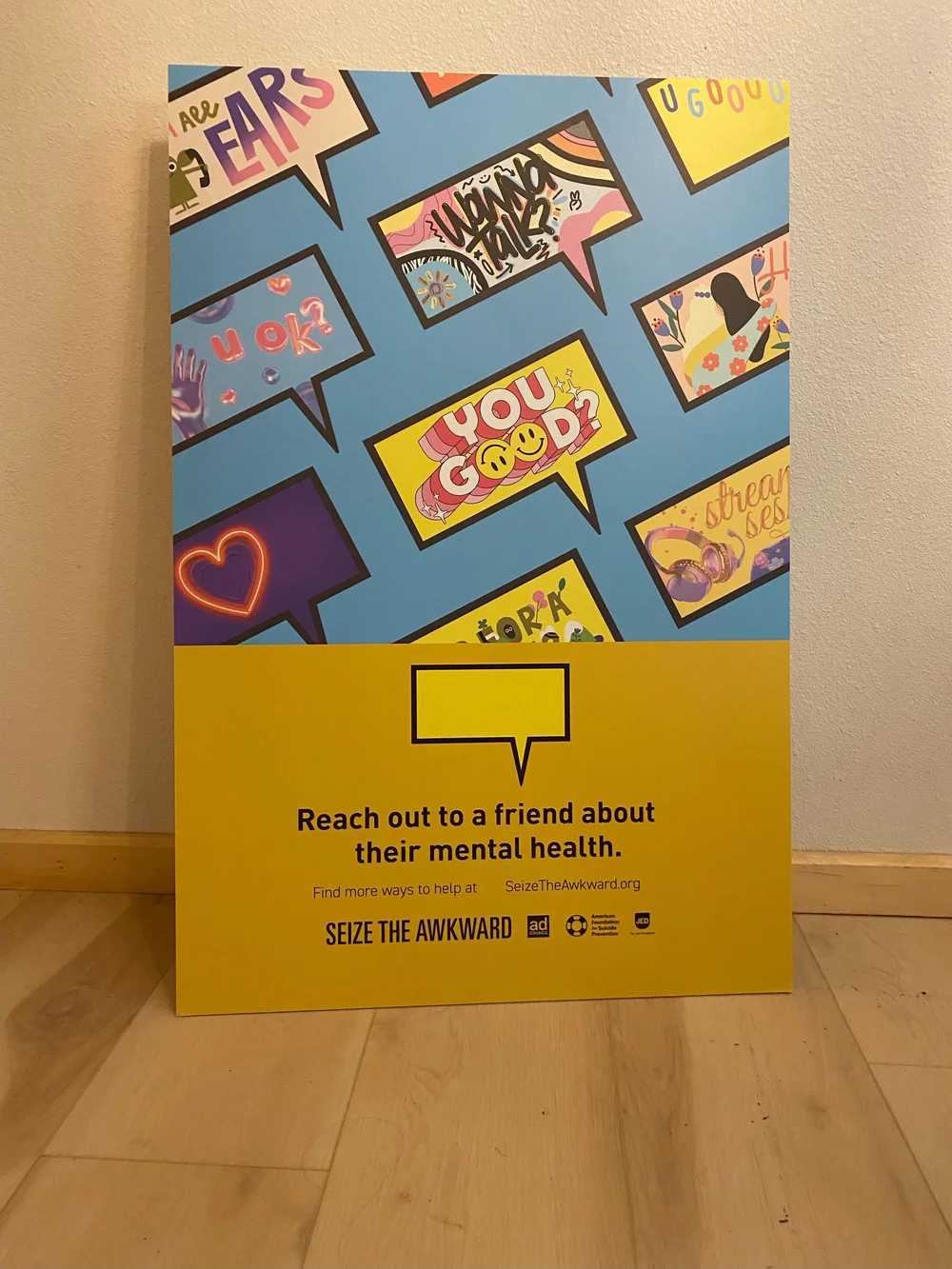
Oklahoma is home to 4.1 million people (Census, July 2025), from Oklahoma City, Tulsa and Lawton to its smallest towns.
The population is up 4.1% since 2020, faster than the nation as a whole (Census V2025 estimates). Its largest metro areas are Oklahoma City, OK, Tulsa, OK and Lawton, OK (Census V2025 metro estimates), and 35.4% of residents lived in rural areas at the 2020 Census (Census 2020).
Place-based media meets Oklahoma residents where they already are: at the pump, in line at the pharmacy, in the clinic waiting room, on campus and at the grocery store. Every venue type in our network is available across Oklahoma, and one managed plan covers creative specs, placement, photo proof and AAM-audited reporting.
Oklahoma by the numbers.
The latest public data for Oklahoma, next to the U.S. figure. Every row links to its source.
| Metric | Oklahoma | U.S. | Source |
|---|---|---|---|
| Population (July 1, 2025) | 4,123,288 | 341,784,857 | Census V2025 estimates |
| Change since April 2020 | +4.1% | +3.1% | Census V2025 estimates |
| Median age | 37.4 | 39.2 | ACS 2024, B01002 |
| Under 18 | 23.5% | 21.4% | ACS 2024, B01001 |
| 65 and older | 16.9% | 18.0% | ACS 2024, B01001 |
| Hispanic or Latino | 13.5% | 20.0% | ACS 2024, B03002 |
| Black (non-Hispanic) | 6.4% | 11.7% | ACS 2024, B03002 |
| Asian (non-Hispanic) | 2.5% | 6.2% | ACS 2024, B03002 |
| American Indian / Alaska Native (alone or in combination) | 14.4% | 2.7% | ACS 2024, B02010 |
| Speak a language other than English at home (age 5+) | 12.0% | 23.0% | ACS 2024, C16001 |
| Median household income | $66,148 | $81,604 | ACS 2024, B19013 |
| Below poverty level | 14.9% | 12.1% | ACS 2024, B17001 |
| No health insurance | 11.5% | 8.2% | ACS 2024, B27010 |
| Rural population (2020 Census) | 35.4% | 19.9% | Census 2020 urban/rural |
| Medicaid & CHIP enrollment (June 2026) | 992,735 | 73,167,389 | CMS, preliminary |
Percentages from the American Community Survey are 2024 1-year estimates and carry margins of error. Medicaid & CHIP counts are CMS preliminary figures for June 2026. U.S. ACS comparisons use the national rows of the same tables (data.census.gov).
Where Oklahoma lives.
The largest Census metro and micro areas touching Oklahoma, ranked by residents in the state (Census V2025 metro estimates). One of these metro areas crosses state lines, so the same plan can extend into neighboring states without a separate buy.
Oklahoma portion: 40,842
Populations are July 1, 2025 Census estimates for Core Based Statistical Areas (not Nielsen DMAs). Coverage is not limited to these markets: placements run statewide, including rural counties.
Who you reach in Oklahoma.
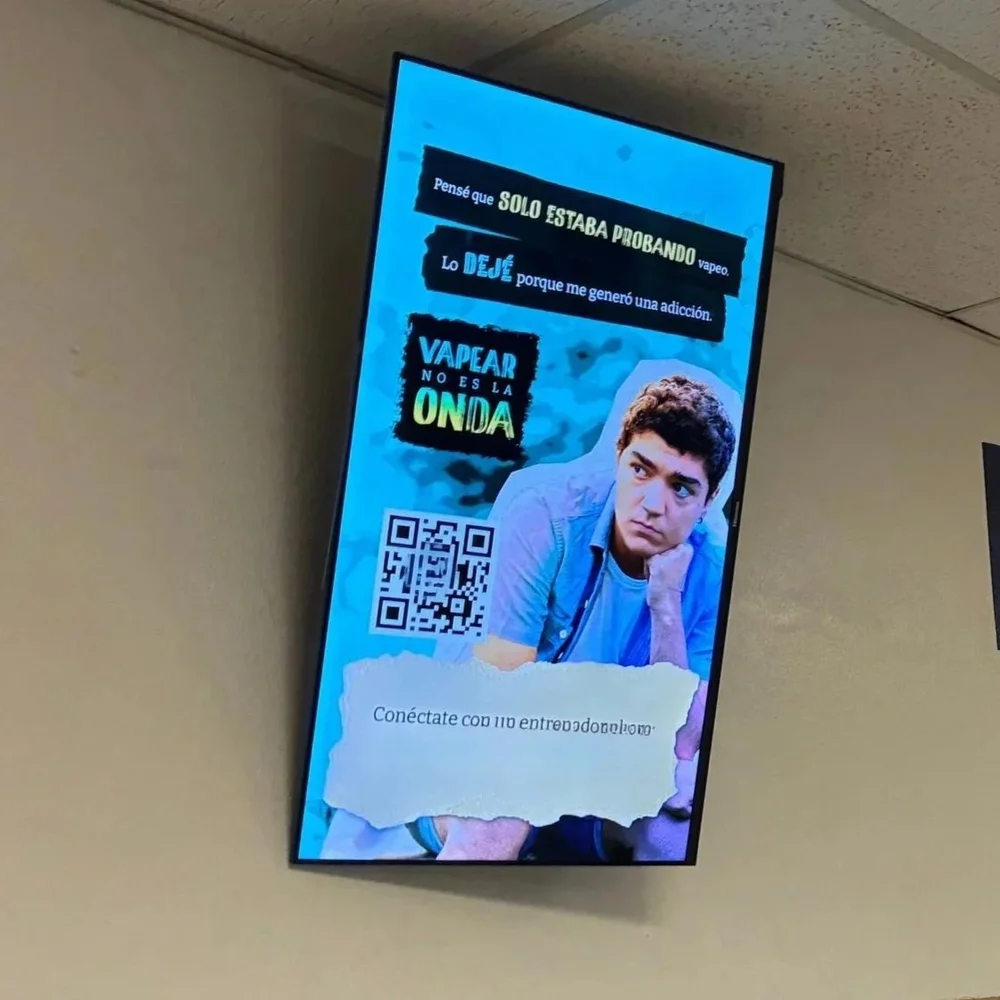
Age
Median age is 37.4 (U.S. Census Bureau, 2024 ACS 1-year); 23.5% of residents are under 18 and 16.9% are 65 or older (U.S. Census Bureau, 2024 ACS 1-year).
Race & ethnicity
Oklahoma is 61.1% non-Hispanic white, 13.5% Hispanic or Latino, 9.4% non-Hispanic multiracial, 6.4% non-Hispanic Black (U.S. Census Bureau, 2024 ACS 1-year). 14.4% of residents identify as American Indian or Alaska Native, alone or in combination (U.S. Census Bureau, 2024 ACS 1-year).
Languages at home
12.0% of residents age 5+ speak a language other than English at home. The most common are Spanish (8.4%), other Asian and Pacific Island languages (0.8%) and all other languages (0.6%) (U.S. Census Bureau, 2024 ACS 1-year). Our network runs creative in English, Spanish and 15+ more languages.
Income & coverage
Median household income is $66,148, below the U.S. median of $81,604 (U.S. Census Bureau, 2024 ACS 1-year). 14.9% of residents live below the poverty level (U.S. Census Bureau, 2024 ACS 1-year) and 11.5% are uninsured (U.S. Census Bureau, 2024 ACS 1-year).
Major universities
- University of Oklahoma-Norman Campus (Norman): 22,734 undergraduates
- Oklahoma State University (Stillwater): 21,773 undergraduates
- University of Central Oklahoma (Edmond): 10,170 undergraduates
- Northeastern State University (Tahlequah): 4,772 undergraduates
Largest bachelor's-granting campuses by undergraduate enrollment, online-first schools excluded (College Scorecard, Oct 2026 release).
Tribal nations
37 federally recognized tribal governments are headquartered in Oklahoma, including Absentee-Shawnee Tribe of Indians of Oklahoma; Alabama-Quassarte Tribal Town; Apache Tribe of Oklahoma; Caddo Nation of Oklahoma and 33 more (BIA Tribal Leaders Directory).
Every venue type, statewide.
All venue types in our network are available across Oklahoma: 500,000+ locations in 300+ U.S. markets, with AAM-audited delivery and photo proof of every placement.
Public health use cases for Oklahoma.
Where Oklahoma's public data points, and the venues that fit. Health departments, nonprofits and agencies use these plans.
Tribal & Native health
588,301 Oklahoma residents identify as American Indian or Alaska Native alone or in combination (U.S. Census Bureau, 2024 ACS 1-year), and 37 federally recognized tribal governments are headquartered in the state (BIA Tribal Leaders Directory). Campaigns run in tribal community centers and IHS locations, planned with tribal partners.
Tribal community media →988 & crisis-line awareness
Oklahoma's 2024 suicide rate was 20.9 per 100,000, the 7th-highest of the 50 states and DC (CDC NCHS, 2024). 988 messages work in colleges, community centers, barbershops and clinic waiting rooms.
See the 988 case study →Coverage & Medicaid enrollment
11.5% of Oklahoma residents had no health insurance (U.S. Census Bureau, 2024 ACS 1-year), and 992,735 were enrolled in Medicaid or CHIP in June 2026 (CMS, June 2026 preliminary). Enrollment and renewal reminders belong at the pharmacy counter, in clinics and at grocery checkouts.
Medicaid audiences →Rural reach
35.4% of Oklahoma residents lived in rural areas at the 2020 Census (U.S. Census Bureau, 2020 Census). Gas stations, pharmacies and community centers carry the message where billboards and broadcast thin out.
Rural audiences →Oklahoma questions, answered.
01Can you run place-based advertising statewide in Oklahoma?
Yes. Every venue type in our network is available across Oklahoma, from Oklahoma City, Tulsa, Lawton and Enid to small towns and rural counties. We plan, place and verify the whole buy, across 500,000+ locations in 300+ U.S. markets.
02How do you reach rural Oklahoma?
35.4% of Oklahoma residents lived in rural areas at the 2020 Census (Census 2020). We lean on gas stations, pharmacies, grocery stores and community centers, the places rural residents visit every week.
03Can Oklahoma campaigns run in Spanish or other languages?
Yes. 12.0% of Oklahoma residents age 5+ speak a language other than English at home, including Spanish (U.S. Census Bureau, 2024 ACS 1-year). We run creative in English, Spanish and 15+ more languages network-wide.
04Do you reach tribal communities in Oklahoma?
Yes. 37 federally recognized tribal governments are headquartered in Oklahoma (BIA Tribal Leaders Directory). We place media in tribal community centers, IHS locations and reservation venues, planned with tribal partners.
05Can one plan cover Oklahoma and neighboring states?
Yes. Many buys run across state lines, for example Oklahoma with Kansas, Missouri, Arkansas, Texas, New Mexico and Colorado. One plan, one invoice and one proof-of-performance report cover every state.
06How do I know my Oklahoma ads actually ran?
Every placement is documented with photo proof, and delivery is audited by the Alliance for Audited Media (AAM). You get a post-campaign report by venue and market.
Plan beyond Oklahoma.
Plan your Oklahoma campaign.
Tell us the audience, the markets and the dates. We'll send a Oklahoma media plan with venues, reach and pricing.