
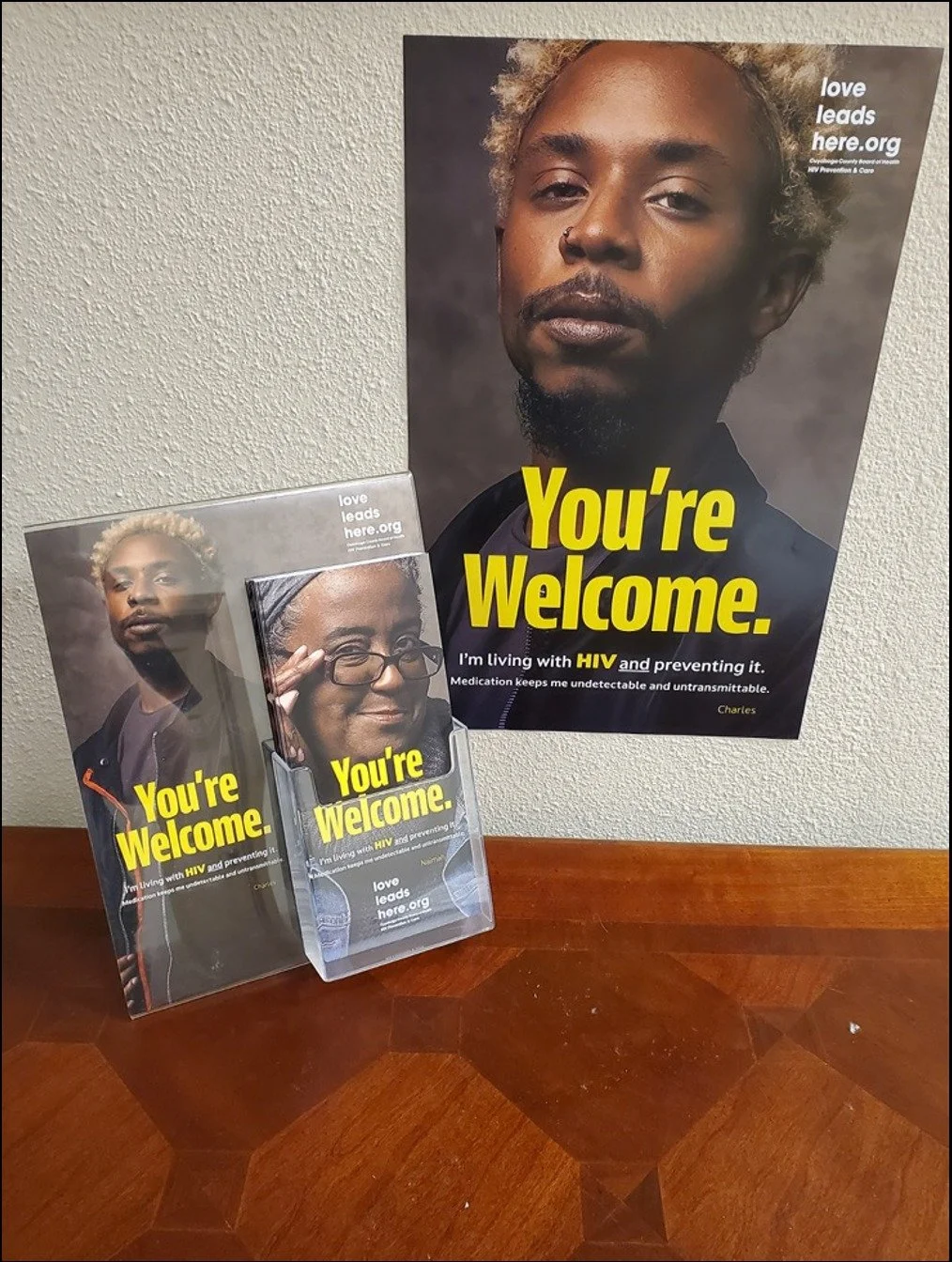
FQHC Advertising: Reach Patients at Federally Qualified Health CentersCare for all, regardless of ability to pay.
FQHC advertising places public health and coverage messages inside Federally Qualified Health Centers and FQHC look-alikes, clinics that serve patients regardless of their ability to pay. Federally Qualified Health Centers were named in the healthcare venue list of PlaceBased Media’s SAMHSA naloxone education and fentanyl awareness campaign. Planning broader multilingual outreach at neighborhood clinics? See community health center advertising.
- 500,000+ locations
- AAM-audited delivery
- English, Spanish + 15 more languages
- Fully managed
Who FQHC patients are.
of patients at HRSA-funded health centers had incomes at or below 200% of the federal poverty guidelines in 2025.
Source: HRSA, Uniform Data System (UDS), 2025 National Health Center Program awardee data.of those patients were covered by Medicaid or CHIP, and 17.21% were uninsured (2025).
Source: HRSA, “2025 Patient Characteristics Snapshot,” UDS data.patients were served in 2025 by the 170 FQHC look-alikes that reported data to HRSA.
Source: HRSA, “2025 Patient Characteristics Snapshot,” UDS data.FQHC Campaign Topics
| Topic | Who it reaches | Message ideas |
|---|---|---|
| Medicaid and CHIP enrollment | Eligible adults, children and families | How to apply or renew, keeping coverage current |
| Marketplace coverage | Uninsured patients | Open enrollment dates, financial help, where to get enrollment assistance |
| Sliding fee awareness | Patients worried about cost | No one is turned away for inability to pay, ask about discounts |
| Prevention and screening | Adults and older patients | Screenings, vaccines and chronic disease self-management |
| Prescription access | Patients on ongoing medications | Questions to ask about medication costs and refills |
| Overdose prevention | Patients and families | Naloxone education and fentanyl awareness |
What the FQHC Designation Means
Open to everyone
Health centers may not deny services to any patient because of inability to pay, and must offer a sliding fee discount program. (HRSA Compliance Manual)
Discounts set by income
Patients at or below 100% of the federal poverty guidelines receive a full discount (a nominal charge is allowed), with partial discounts up to 200%. (HRSA Compliance Manual)
Look-alikes count too
FQHC look-alikes meet Health Center Program requirements without receiving program funding, provide primary care in underserved areas and are governed by boards that include patients. (HRSA OPA)
Program rules and patient data come from HRSA. They are not PlaceBased campaign results.
Cost Is the Question Many Patients Bring
Two in three patients at HRSA-funded health centers (67.73%) had incomes at or below the federal poverty guidelines in 2025 (HRSA UDS). HRSA’s rules also require centers to tell patients about sliding fee discounts through signage and materials in appropriate languages (HRSA), so printed information is already part of the visit.
Coverage and prevention campaigns fit three common points in an FQHC visit:
Eligibility and intake
patients confirm income and coverage at check-in, a natural time to see Medicaid, CHIP and marketplace messages.
The appointment itself
visits for primary care, screening and chronic disease care leave time for prevention messages in the lobby and exam room.
Renewal and follow-up
repeat visits keep enrollment deadlines and renewal reminders in front of patients through the year.
Who You Reach in an FQHC
- Medicaid and CHIP members47.92% of health center patients nationally in 2025, according to HRSA.
- Uninsured patientswho use sliding fee discounts for care.
- Medicare patients11.63% of health center patients in 2025, according to HRSA UDS data.
- Clinicians and enrollment staffwho answer coverage questions every day.
Who Advertises in FQHCs
- 01State Medicaid agencies and health plansenrollment, renewal and benefits campaigns aimed at members who need to act.
- 02Health departmentsprevention, screening and vaccination programs for low-income communities.
- 03Federal programsnational public health efforts, as in our SAMHSA naloxone campaign.
- 04Navigator and assister organizationsmarketplace enrollment help during and outside open enrollment.
Build the Plan Around Enrollment Deadlines
Coverage messaging peaks around marketplace open enrollment, which begins November 1 on HealthCare.gov, and around state Medicaid renewal timelines. Prevention messages can fill the rest of the year. Run print in flights with a new creative between them, and at FQHCs with digital displays, rotate messages month to month without reprinting.
FQHC Formats
Posters, wallboards and brochure and take-one displays are available at most FQHCs. Select FQHCs add waiting room digital displays, waiting-room TV, HCP lounge placements and Mobile POC, depending on the facility.
Exam-room and waiting-room posters and wallboards (patient- and family-facing)
enrollment, coverage and prevention reminders patients see on every visit, at most locations.
Brochure and take-one displays (patient- and family-facing)
application checklists and renewal reminders that patients can bring to an enrollment appointment, at most locations.
Waiting room digital displays (patient- and family-facing, at select FQHCs)
rotating coverage and prevention messages, with rotation by market or language.
Waiting-room TV (patient- and family-facing, at select FQHCs)
health and wellness programming with ad placements during the wait for an appointment.
HCP lounge placements (staff-facing, at select FQHCs)
posters and screens in staff lounges and break rooms that keep clinicians and enrollment staff up to date.
Mobile POC (at select FQHCs)
privacy-safe, geofenced mobile follow-up to the in-clinic message, with no sensitive health data.
Format availability is listed by location in every plan. See the full channel list on our point-of-care advertising page.
Clear Creative for Coverage Messages
- Lead with the deadlineRenewal and enrollment creative works best when the date and the action are the largest words.
- Say who qualifiesPlain eligibility language helps patients decide quickly whether the message applies to them.
- Use the patient’s languageSpanish and other in-language versions are important for patients with limited English proficiency.
- Approved by youYour agency or plan reviews all messages and claims. PlaceBased does not write or add health claims.
Read our guide to Medicaid promotions and our notes on healthcare marketing compliance.
Targeting FQHC Patients
Choose FQHCs and look-alikes by state, DMA, county or ZIP code, and extend to the wider neighborhood through community health centers, grocery stores and laundromats.
Each FQHC campaign comes with proof of posting (time-stamped, geo-tagged photos), delivery reporting by geography and language, optional QR code and URL tracking, and delivery audited by the Alliance for Audited Media (AAM).
Healthcare Venues to Pair With FQHCs
The SAMHSA campaign combined FQHCs with other healthcare settings. Add substance abuse treatment centers for overdose prevention, or see every specialty on the point-of-care advertising page.
FQHC Advertising FAQs
01What is FQHC advertising?
FQHC advertising puts health and coverage messages in Federally Qualified Health Centers and look-alikes. What runs depends on the specific FQHC. Most locations carry posters, wallboards and brochure and take-one displays, and select FQHCs also offer waiting room digital displays, waiting-room TV, HCP lounge placements and Mobile POC.
02What is a Federally Qualified Health Center?
It is a community-based health center that meets HRSA Health Center Program requirements, including serving patients regardless of ability to pay and offering a sliding fee discount program.
03What is an FQHC look-alike?
A look-alike meets the requirements of the Health Center Program but does not receive Health Center Program funding. HRSA says look-alikes provide primary care in underserved areas, use a sliding fee scale and operate under a governing board that includes patients.
04How is FQHC advertising different from community health center advertising?
This page focuses on the federal designation and the coverage, cost and enrollment messages that fit sliding fee patients. Our community health center advertising page focuses on family, multilingual and neighborhood outreach.
05Is FQHC advertising good for Medicaid enrollment campaigns?
Yes. In 2025, 47.92% of patients at HRSA-funded health centers had Medicaid or CHIP and 17.21% were uninsured, which makes FQHCs a direct route to people who need to enroll or renew.
06Can we target FQHCs in specific counties?
Yes. Campaigns are planned by state, DMA, county or ZIP code, never by individual patient data.
07When should FQHC coverage campaigns run?
Ahead of and during marketplace open enrollment, which starts November 1, and around state Medicaid renewal dates. Prevention messages can run the rest of the year.
Pair it with
Community health centers
Neighborhood care for the whole family.
Explore health centers →Medicaid audiences
Members who need to enroll or renew.
Explore Medicaid →Primary care
Family medicine and internal medicine offices.
Explore primary care →Point of care
Specialty waiting rooms and HCP lounges.
Explore point of care →Grocery stores
Weekly trips in every neighborhood.
Explore grocery →See every media solution.
All media solutions →Planning an enrollment campaign? Use our public health media planning guide, read about rural health education, or browse every OOH and DOOH media solution.
Let's talk.
Tell us the coverage or prevention message, the counties and the dates that matter. We’ll find the FQHCs and look-alikes in those areas, show the formats at each and tell you honestly what your budget can reach.