

Traffic Safety Media Planning Guide for DOTs & Highway Safety Offices - 2027Where the driving decision is made.
A traffic safety media plan works best when it puts the message where the driving decision is made: at the pump, at the bar, at school, and on the way home. It should also run when enforcement and risk peak. Plan around NHTSA's national calendar (Click It or Ticket in May, Drive Sober or Get Pulled Over around Labor Day and the December holidays, distracted driving in April). Back high-visibility enforcement with paid media, and weight each market by your state's crash data. Place-based out-of-home (OOH) and digital out-of-home (DOOH) can do that by county, corridor, venue, and language, with verified delivery that holds up to public-funds scrutiny.
- 500,000+ locations
- AAM-audited delivery
- English, Spanish + 15 more languages
- Fully managed
OOH & DOOH Strategies for Impaired Driving, Click It or Ticket, Distracted Driving, Motorcycle, Pedestrian, and Other Highway Safety Campaigns
Traffic Safety Decisions Happen Away From the Screen.
Most risky driving choices are made in a specific place and moment: deciding whether to drive after a few drinks, whether to buckle up for a short trip, whether to check a phone at a red light. Broadcast, streaming, and social build awareness. Place-based media reaches people in the environments where those choices happen.
The problem is still large, even as it improves. An estimated 36,640 people died in U.S. traffic crashes in 2025, down 6.7% from 39,254 in 2024 (NHTSA early estimate). In 2024, 30% of those deaths (11,904) were in alcohol-impaired-driving crashes, and 29% (11,288) were in speeding-related crashes (NHTSA, Overview of Motor Vehicle Traffic Crashes in 2024).
This guide gives state highway safety offices (SHSOs), departments of transportation (DOTs), law enforcement liaisons, tribal and local traffic safety programs, and their agencies a practical framework for planning paid media by topic, calendar, venue, language, budget, and measurement.
What Is a Traffic Safety Media Plan?
A traffic safety media plan is the paid, earned, and owned media that supports a highway safety program: enforcement waves, new laws, and year-round social norming. NHTSA's guidance for states is clear that paid media works best alongside proven countermeasures, such as laws and high-visibility enforcement, and should call attention to them (NHTSA, 402 Advertising Space Guidance).
Key Terms
| Term | What It Means |
|---|---|
| State Highway Safety Office (SHSO) | The state agency that administers federal highway safety grants and runs the state's behavioral safety programs. Its leaders are represented by the Governors Highway Safety Association (GHSA). |
| High-visibility enforcement (HVE) | Increased, publicized enforcement during set periods. The paid media tells drivers enforcement is coming. |
| Social norming | Year-round messaging between enforcement waves, such as "Buzzed Driving Is Drunk Driving" or "Buckle Up. Every Trip. Every Time." |
| National mobilization | A NHTSA-coordinated national enforcement and paid media period, such as Click It or Ticket in May. |
| Section 402 | The federal State and Community Highway Safety grant program (23 U.S.C. 402), administered by NHTSA and the SHSOs. |
| Section 405 | The federal National Priority Safety Program, with separate grants for occupant protection, impaired driving, distracted driving, motorcyclist safety, nonmotorized safety, and more. |
| FARS | NHTSA's Fatality Analysis Reporting System, the national census of fatal traffic crashes. |
| Alcohol-impaired driving | Driving with a blood alcohol concentration (BAC) of .08 g/dL or higher, as NHTSA defines it. |
| Distraction-affected crash | A crash involving at least one driver who was distracted. |
| Vulnerable road users | People outside a vehicle: pedestrians, bicyclists, and other nonoccupants. |
NHTSA National Traffic Safety Calendar (2026)
Most state plans are built around NHTSA's national calendar. These are the 2026 dates; check TrafficSafetyMarketing.gov for 2027 dates when they're published, since they shift each year.
| When (2026) | Campaign | Topic | Type |
|---|---|---|---|
| February 8 | Super Bowl: "Fans Don't Let Fans Drive Drunk" | Impaired driving | Social norming |
| March 17 | St. Patrick's Day: "Buzzed Driving Is Drunk Driving" | Impaired driving | Social norming |
| April (all month) | National Distracted Driving Awareness Month | Distracted driving | Awareness |
| April 6–13 | "Put the Phone Away or Pay" | Distracted driving | Enforcement (paid media) |
| April 20 | "If You Feel Different, You Drive Different" | Drug-impaired driving | Social norming |
| April 20–24 | National Work Zone Awareness Week (FHWA) | Work zones | Awareness |
| May (all month) | Motorcycle Safety Awareness Month; National Bicycle Safety Month | Motorcycles, bicyclists | Awareness |
| May 11–31 (paid media); May 18–31 (enforcement) | Click It or Ticket | Seat belts | National mobilization |
| July 4 | Fourth of July: "Buzzed Driving Is Drunk Driving"; "If You Feel Different, You Drive Different" | Impaired driving | Social norming |
| July 6–31 | Speed campaign | Speeding | Campaign |
| August 19–September 7 | "Drive Sober or Get Pulled Over"; "Ride Sober or Get Pulled Over"; "Drive High, Get a DUI" | Impaired driving | National mobilization (paid media) |
| September 20–26; September 26 | Child Passenger Safety Week; National Seat Check Saturday | Child passengers | Awareness and car seat checks |
| October (all month) | Pedestrian Safety Month | Pedestrians | Awareness |
| October 18–24 | National Teen Driver Safety Week | Teen drivers | Awareness |
| November 25–29 | Thanksgiving travel | Impaired driving, seat belts | Social norming |
| December 7–11 | Older Driver Safety Awareness Week | Older drivers | Awareness |
| December 16–January 1, 2027 | "Drive Sober or Get Pulled Over" (winter holidays) | Impaired driving | National mobilization (paid media) |
Sources: NHTSA 2026 Communications Calendar and 2026 Highway Traffic Safety Events Calendar; NHTSA, Click It or Ticket.
Planning tip: Book place-based media for the national mobilizations early. Paid media usually starts before enforcement, as it does with Click It or Ticket, so the warning lands before the first stops.
How Do Section 402 and 405 Funds Apply to Paid Media?
States can use Section 402 funds to buy advertising for highway safety messages, including outdoor and digital. NHTSA's guidance asks states to document in their highway safety plan which program the advertising supports, how it supports enforcement, the budget, and how it will be evaluated. It also recommends tying paid media to proven countermeasures rather than running it alone (NHTSA, 402 Advertising Space Guidance).
Section 405 grants each come with their own eligibility rules and allowed uses. For example, nonmotorized safety grants can fund public education and awareness, and Preventing Roadside Deaths grants can fund educating the public about roadside safety (GHSA, Section 405).
A few practical points:
Your SHSO decides
Eligibility, match, and allowed uses depend on the grant, the tier, and your state's plan. Confirm with your SHSO or NHTSA regional office before you buy.
Federal law is in transition
The Infrastructure Investment and Jobs Act (IIJA), which authorizes these programs, expired September 30, 2026. A short-term extension runs through December 11, 2026 while Congress works on reauthorization (NADO). Rules and amounts may change.
Keep records
NHTSA notes that media spending gets close scrutiny, so keep detailed records and an assessment of value. Proof of performance and audited delivery make that easier.
PlaceBased Media doesn't administer grants or give legal advice. We help plan, place, and document the media.
Impaired Driving Campaigns: Drunk, Drugged, and Drive Sober or Get Pulled Over
Reach drinkers before the drive home, at bars and restaurants, convenience stores, and gas stations, and time the heaviest weight to the Labor Day and December Drive Sober or Get Pulled Over mobilizations. Impaired driving is the largest single behavioral factor in U.S. traffic deaths.
- In 2024, 11,904 people were killed in drunk-driving crashes, one every 44 minutes (TrafficSafetyMarketing.gov).
- In a NHTSA study of 7,279 seriously or fatally injured road users at trauma centers and medical examiners, 55.8% tested positive for at least one drug, including alcohol. Cannabinoids (active THC) were the most common at 25.1%, followed by alcohol at 23.1% (NHTSA study, via TRID). A positive test doesn't by itself prove impairment, but it shows why drug-impaired driving belongs in the plan.
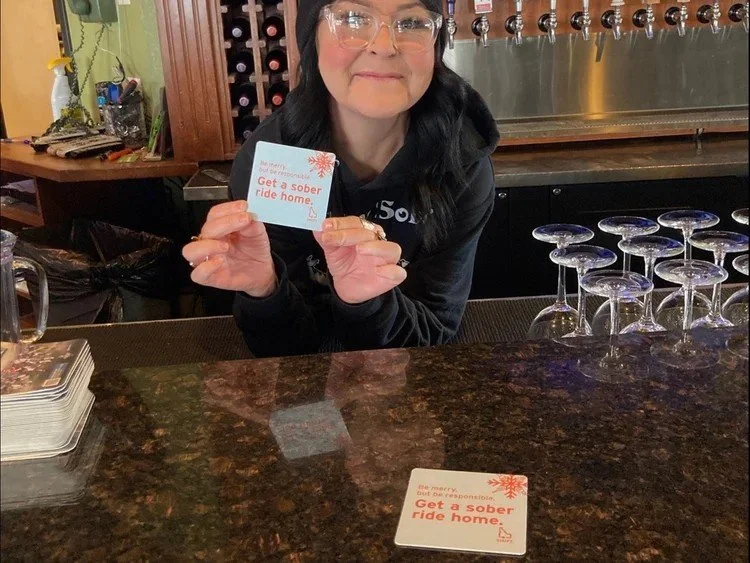
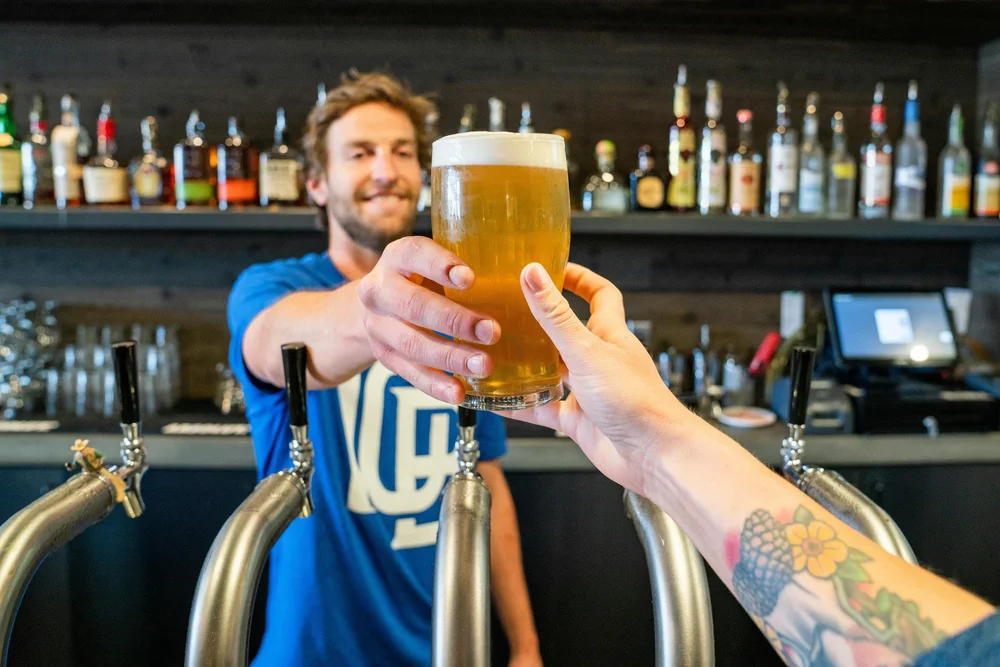
Where it works: bars and restaurants (the decision point), convenience stores and gas stations late at night, colleges, and urban panels in nightlife districts. For cannabis messaging, see cannabis safety promotions.
When: Drive Sober or Get Pulled Over (Aug. 19–Sept. 7 and Dec. 16–Jan. 1 in 2026), plus Super Bowl, St. Patrick's Day, July 4, and Thanksgiving Eve social norming.
For creative ideas, see 10 Impaired Driving Prevention Campaign Ideas and holiday impaired driving prevention at bars.
Click It or Ticket and Occupant Protection
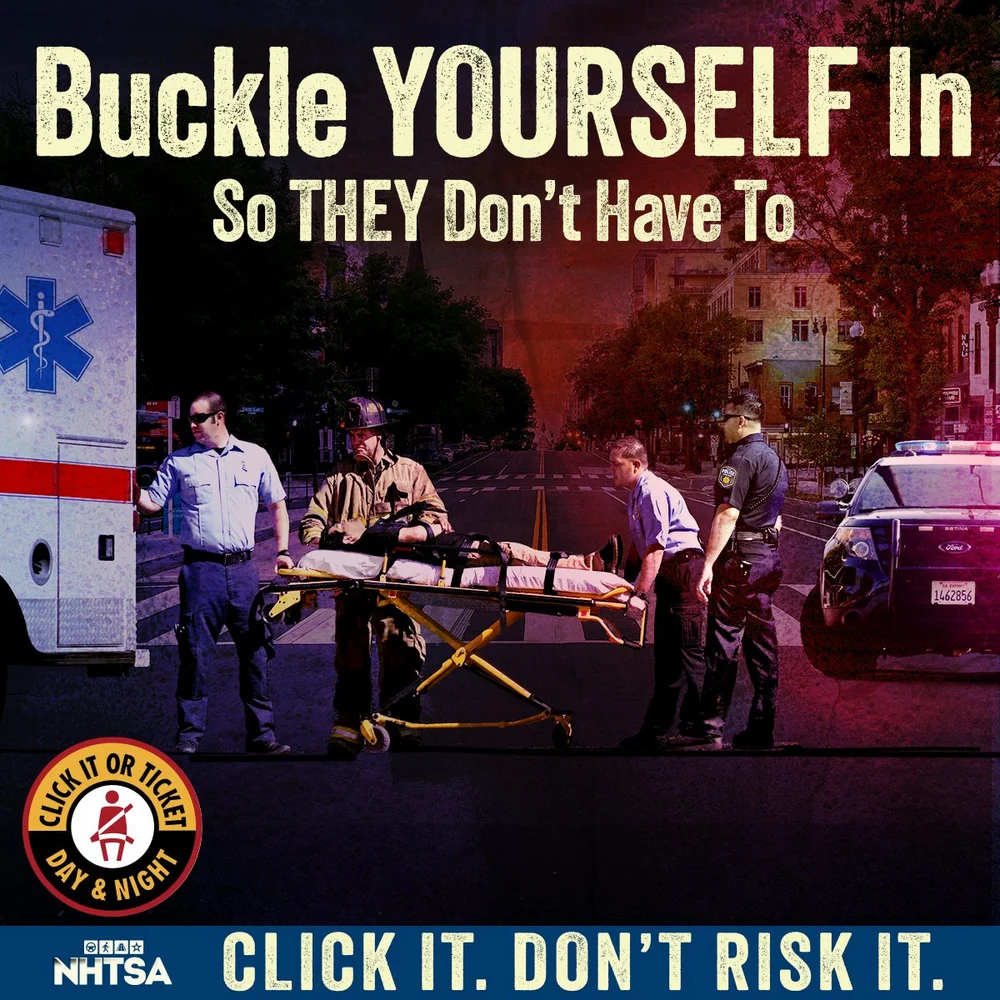
Run seat belt messages where drivers start and end everyday trips, at gas stations, grocery stores, and workplaces, and concentrate weight in the Click It or Ticket mobilization in May and on the groups least likely to buckle up. Most people buckle up, so the job is reaching the ones who don't.
- Front-seat belt use was 91.2% in 2024, but 48% of passenger vehicle occupants killed were unrestrained (where restraint use was known), and 56% of those killed at night were unrestrained (NHTSA, Overview 2024).
- Seat belts reduce the risk of fatal injury by 45% for front-seat passenger car occupants and by 60% for front-seat light-truck occupants (NHTSA, Occupant Protection 2024).
- Among young adults 18 to 34 killed in passenger vehicles in 2024, 59% were unbuckled (NHTSA, Click It or Ticket).
Where it works: gas stations and convenience stores (pickup drivers and rural commuters), grocery stores, barbershops, salons, and laundromats for neighborhood reach (see multicultural OOH), and high schools and colleges for young drivers. Nighttime and rural audiences deserve extra weight. See 10 Click It or Ticket Campaign Ideas.
Child Passenger Safety: Car Seats and Booster Seats
Reach parents and caregivers where they already are with young kids, at daycare and childcare centers, pediatric offices, pharmacies, and grocery stores, especially around Child Passenger Safety Week in September.
- In 2024, 677 children 14 and younger were killed riding in passenger vehicles, and 39% of them were unrestrained (TrafficSafetyMarketing.gov).
- In a national NHTSA observation study, 46% of car seats and booster seats had at least one misuse that could reduce protection (NHTSA, National Child Restraint Use Special Study).
Where it works: daycare and childcare centers, point-of-care and pharmacies, grocery stores, and community centers. Promote car seat check events and inspection stations with a QR code. See advertising to parents.
Distracted Driving Campaigns
Reach drivers just before they get back behind the wheel, at the pump, in convenience stores, and at school, and plan around National Distracted Driving Awareness Month and the "Put the Phone Away or Pay" enforcement period in April.
- 3,208 people were killed in distraction-affected crashes in 2024, 8.2% of all traffic deaths (NHTSA, Overview 2024).
- Drivers 15 to 20 had the largest share of distracted drivers in fatal crashes, and 639 people outside vehicles were killed in distraction-affected crashes (TrafficSafetyMarketing.gov).
Where it works: gas stations (the last stop before the next drive), high schools and colleges, urban panels near busy intersections, and mobile follow-up. See Distracted Driving Campaigns: A Place-Based OOH Strategy for DOTs.
Speeding Prevention Campaigns
Reach drivers on the corridors and in the communities where speed-related crashes cluster, at gas stations, truck stops, and convenience stores, and line up with NHTSA's July speed campaign and your state's own enforcement.
- Speeding-related crashes killed 11,288 people in 2024, 29% of all traffic deaths, and 19% of drivers in fatal crashes were speeding (NHTSA, Overview 2024).
Where it works: gas stations and truck stops on high-crash corridors, rural convenience stores, and urban panels on arterials. Young male drivers' fatal-crash involvement rate is almost three times that of young female drivers (NHTSA, Young Drivers: 2024 Data), so add bars, colleges, and venues that reach men 18–34.
Motorcycle Safety Awareness Campaigns
Run two messages, one for riders and one for drivers: reach riders where they fuel up and gather, and remind drivers to look twice, with the heaviest weight in May (Motorcycle Safety Awareness Month) and through riding season.
- 6,228 motorcyclists were killed in 2024, 16% of all traffic deaths. Per mile traveled, motorcyclists were almost 27 times as likely as passenger car occupants to die in a crash (NHTSA, Motorcycles: 2024 Data).
- 26% of motorcycle riders killed in 2024 were alcohol-impaired, 37% of riders in fatal crashes were speeding, and in states without universal helmet laws, 48% of motorcyclists killed weren't wearing helmets (NHTSA, Motorcycles: 2024 Data).
Where it works: gas stations and convenience stores on popular riding routes, bars and restaurants (for "Ride Sober or Get Pulled Over"), and rest stops. Use driver-facing "look twice" messages at the pump and in grocery stores.
Pedestrian and Bicycle Safety Campaigns
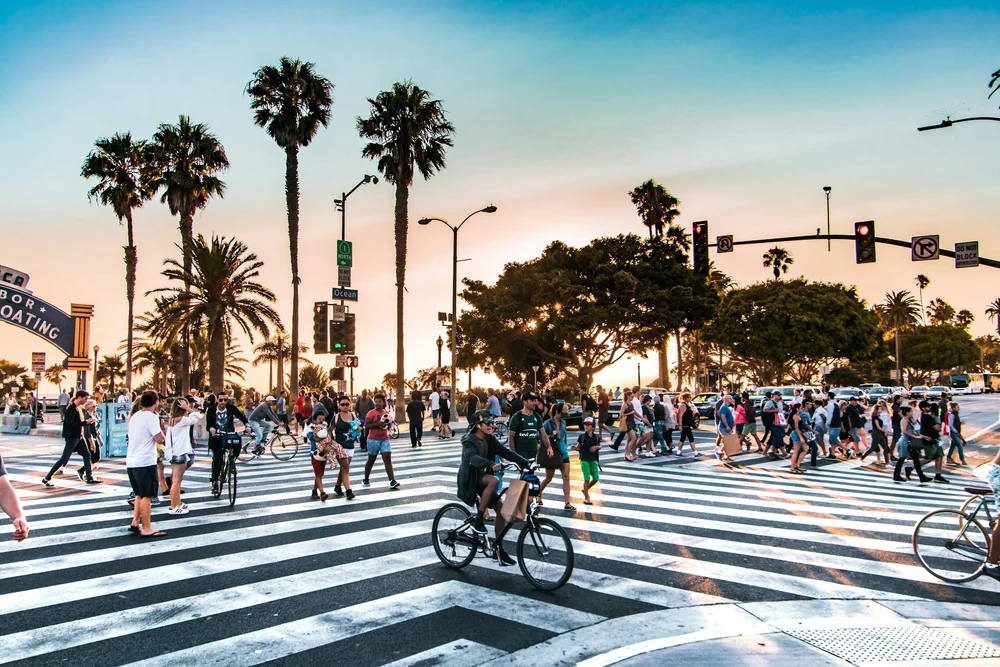
Reach both drivers and people on foot where they share the road: urban panels near crossings and transit, convenience stores, bars and restaurants, and grocery stores, with extra weight in the darker months and October's Pedestrian Safety Month.
- 7,080 pedestrians and 1,103 bicyclists and other pedalcyclists were killed in 2024 (NHTSA, Overview 2024).
- 76% of pedestrian deaths happened in the dark, 73% happened away from intersections, and 84% were in urban areas (NHTSA, Pedestrians: 2024 Data).
Where it works: urban panels, convenience stores and gas stations on high-injury corridors, bars and restaurants (late-night walkers and drivers), grocery stores, pharmacies, and community centers. See Pedestrian and Work Zone Safety Advertising.
Teen Driver Safety Campaigns
Reach teens and their parents at school and where teens spend time, at high schools, colleges, convenience stores, and gas stations, with weight at prom and graduation, summer, and National Teen Driver Safety Week in October.
- Drivers 15 to 20 were 9% of drivers in fatal crashes in 2024 but only 5.2% of licensed drivers. 2,162 young drivers died, and 53% of young passenger vehicle drivers killed were unrestrained, where restraint use was known (NHTSA, Young Drivers: 2024 Data).
Where it works: high schools, colleges, convenience stores and gas stations near schools, and mobile. Pair teen-facing creative with parent-facing messages at grocery stores, pharmacies, and community centers. See advertising to teens and youth.
Older Driver Safety
Reach older drivers and the families who help them where they get care and run errands, at pharmacies, point-of-care settings, grocery stores, and community centers, timed to Older Driver Safety Awareness Week in December.
- 8,019 people 65 and older were killed in traffic crashes in 2024, 20% of all traffic deaths, and older drivers made up 23% of licensed drivers (NHTSA, Older Population: 2024 Data).
Where it works: pharmacies, point-of-care (where conversations about medications and vision already happen), grocery stores, community centers, senior centers, and senior living communities. Keep it supportive: self-assessment, medication checks, and planning for when to stop driving. See advertising to the aging population.
Work Zone Safety and Move Over Campaigns
Reach drivers right before they enter construction season corridors, at gas stations, truck stops, and rest stops on those routes, and time it to National Work Zone Awareness Week in April and your construction season.
- 850 people were killed in work zone crashes in 2024 (National Work Zone Safety Information Clearinghouse, FARS data).
- Every state and Washington, D.C., has a Move Over law. In 2024, about 33,000 crashes happened along the shoulder of a road, and 578 were fatal (TrafficSafetyMarketing.gov).
Where it works: gas stations and truck stops on corridors with active projects, rest stops, and convenience stores. About a third of 2024 work zone deaths (282 of 850) were in crashes involving large trucks or buses (Clearinghouse), so truck stops earn extra weight. See Pedestrian and Work Zone Safety Advertising.
Rural and Tribal Road Safety
Rural roads carry a disproportionate share of traffic deaths, so plan rural coverage on purpose, through gas stations, convenience stores, grocery stores, and tribal community venues that billboards and broadcast often miss.
- In 2024, rural areas had 31% of vehicle miles traveled but 41% of traffic deaths. The rural fatality rate was 1.5 times the urban rate (1.56 vs. 1.01 per 100 million miles), and 63% of rural deaths were in roadway-departure crashes (NHTSA, Rural/Urban Traffic Fatalities: 2024 Data).
- American Indian and Alaska Native people have the highest motor vehicle-related death rates of any racial or ethnic group. CDC names low seat belt use, low car seat and booster seat use, and impaired driving as risk factors (CDC, Tribal Road Safety).
Where it works: gas stations and convenience stores in small towns and on rural highways (our network includes 29,000+ gas stations), grocery stores, community centers, and tribal community centers, Indian Health Service (IHS) locations, and reservations. See rural advertising.
Best OOH & DOOH Venues for Traffic Safety Campaigns
| Venue Type | Best-Fit Topics | Why It Matters |
|---|---|---|
| Gas stations and convenience stores | Seat belts, impaired, distracted, speeding, motorcycles, work zones, rural | 29,000+ gas stations in our network, with pump-top, in-store, and gas station TV. Every driver stops, and the next decision is the drive. |
| Bars and restaurants | Impaired driving, ride sober, pedestrians at night | The decision point for how people get home. |
| High schools and colleges | Teen and young drivers, distracted, impaired, seat belts | Reaches new drivers during the highest-risk years. |
| Daycare and childcare centers | Child passenger safety | Reaches parents and caregivers at drop-off and pickup. |
| Pharmacies and point-of-care | Older drivers, drug-impaired driving, child passengers | Trusted health settings where medications and fitness to drive come up. |
| Grocery stores | Seat belts, child passengers, pedestrians, older drivers | Weekly household reach in every community. |
| Community centers and tribal community venues | Rural and tribal road safety, seat belts, car seats, impaired | Trusted local spaces, including IHS locations and reservations. |
| Barbershops, salons, and laundromats | Seat belts, impaired, pedestrians | Neighborhood reach with long dwell time, especially in multicultural communities. |
| Urban panels | Pedestrians, bicyclists, distracted, impaired | Eye-level static and digital panels near crossings, transit, and nightlife. |
| Rest stops and truck stops | Work zones, Move Over, speeding, drowsy driving | Reaches long-distance and commercial drivers mid-trip. |
| Airports and hotels | Impaired driving during events and holidays, visitors | Reaches visitors who don't know local roads or laws. |
| Mobile extension | All topics | QR codes and location-based mobile ads carry the message to the phone. |
How to Plan a Traffic Safety OOH & DOOH Campaign
Start with your problem identification
use your state's FARS and crash data to pick the topic, counties, corridors, and audiences.
Tie media to a countermeasure
an enforcement wave, a new law, or a program like car seat checks.
Map the calendar
national mobilizations, state enforcement, seasons, and local events.
Select venues by decision point
where the target audience makes the choice the message is about.
Plan language early
decide which counties and venues need Spanish, bilingual, or other in-language creative.
Fund priority areas first
cover the highest-crash counties well before spreading statewide.
Set up measurement and documentation before launch
proof of performance and comparison areas.
Reaching Spanish-Speaking and Multicultural Drivers
NHTSA offers many of its campaign materials in English and Spanish (TrafficSafetyMarketing.gov). Place-based media lets you run that creative where it fits, not just where it's convenient.
- Assign language by placerun Spanish, bilingual, or English creative by county, ZIP code, or venue, or rotate on digital screens.
- Use neighborhood venuesconvenience stores, grocery stores, barbershops and salons, laundromats, and community centers. See multicultural OOH advertising and Hispanic advertising.
- Go beyond Spanishwe produce creative in English, Spanish, and 15 more languages.
- Adapt, don't just translatekeep the enforcement warning and the call to action clear in every language.
OOH and DOOH CPM benchmarks for traffic safety
Industry CPM Benchmarks
Solomon Partners' 2025 cost per thousand impressions (CPM) comparison, published by OAAA, estimates (OAAA):
| Media Type | Illustrative CPM |
|---|---|
| OOH bulletins | $3–$10 |
| OOH posters | $3–$13 |
| Digital place-based | $7–$16 |
| Transit shelters | $2–$8 |
| Social media | $2–$8 |
| Digital display | $5–$6 |
| Radio | $4–$8 |
| Digital video | $11–$13 |
| Streaming | $23–$34 |
| Broadcast TV, primetime | $45–$49 |
Why CPM alone can be misleading: For traffic safety, reaching the right driver in the right county at the moment of the decision, during the enforcement window, can matter more than the lowest cost per thousand.
How Long Should a Traffic Safety Campaign Run?
| Campaign Type | Planning Approach | Primary Consideration |
|---|---|---|
| National mobilization (Click It or Ticket, Drive Sober) | Match NHTSA's paid media window, typically 2–3 weeks | Start before enforcement so the warning lands first. |
| State or local enforcement wave | Approximately 2–4 weeks around the wave | Concentrate in the targeted counties and corridors. |
| Awareness month or week | The month or week, plus a short lead-in | Pair with events, car seat checks, and earned media. |
| Seasonal topics (motorcycles, work zones, pedestrians) | Through the season | Keep a steady presence while the risk is highest. |
| Year-round social norming | Always-on at a lower weight | Keep the message alive between enforcement waves. |
Traffic Safety OOH Creative Best Practices
Lead with the consequence or the enforcement
"Drive Sober or Get Pulled Over" works because it's specific and credible.
Keep the hero line to seven words or fewer
so it reads in seconds.
Match the message to the moment
"Plan your ride home" at the bar, "Buckle up before you pull out" at the pump.
Use NHTSA's campaign marks and messages
during mobilizations so local media reinforces the national campaign.
Use one clear action
plan a ride, find a car seat check, or learn the law, with a QR code or vanity URL for tracking.
Design for the environment
a pharmacy or clinic waiting room allows more detail than a gas pump.
How to Measure a Traffic Safety OOH Campaign
| Metric | What It Helps Measure |
|---|---|
| Impressions and location count | Delivery and footprint by county, corridor, and venue |
| Proof of performance | Time-stamped, geo-tagged photos and reports showing placements ran, for your grant records |
| Audited delivery | Independent verification of impressions (we're AAM-audited) |
| Observed behavior | Seat belt observation surveys and other state data, where available |
| QR codes and URLs | Response by venue, county, language, or creative |
| Crash and citation data | Longer-term trends in the targeted counties, read alongside enforcement and other factors |
Not every change in crashes or behavior can be attributed to media. Separate media-delivery metrics from safety outcomes, and set up comparison areas before launch.
Traffic Safety OOH Planning Checklist
- Which topic and countermeasure is the media supporting?
- Which counties, corridors, and audiences does the crash data point to?
- Does the flight line up with the national and state enforcement calendar?
- Which venues sit at the decision point for this behavior?
- Does the campaign need Spanish or other in-language creative?
- Is each priority area funded before adding more?
- Static, digital, or both?
- Have you confirmed the grant source and allowed uses with your SHSO?
- Are proof of performance and comparison areas set up?
- Is there enough lead time for the mobilization dates?
About PlaceBased Media
PlaceBased Media helps state and local traffic safety programs, DOTs, and their agencies reach drivers, riders, and people on foot through out-of-home and place-based media. Many media companies specialize in impressions. We specialize in impact. Traffic safety plans can combine static OOH, digital OOH, gas stations and convenience stores, bars and restaurants, high schools and colleges, daycare, pharmacies, grocery, community and tribal venues, urban panels, rest stops, and mobile, all as a fully managed service from our Minneapolis base. For messaging ideas across every topic, see Public Safety Messaging That Saves Lives, and for an example of DOT-style work, see our anti-littering awareness case study.
Planning a Traffic Safety Campaign?
Tell us your topic, counties, enforcement dates, and goals. We'll come back with a plan, a location list, and an honest read on what your budget can do.
Independent Verification. Greater Accountability.
PlaceBased Media uses independent auditing and proof-of-performance practices to strengthen accountability. AAM recently featured our approach to verified delivery and transparency.
Frequently Asked Questions
01What is a typical CPM for place-based media?
Industry estimates put digital place-based media at about $7–$16 per thousand impressions and OOH posters at about $3–$13. Weigh CPM alongside county fit, timing with enforcement, language, and frequency.
02When are the national Click It or Ticket and Drive Sober or Get Pulled Over campaigns?
In 2026, Click It or Ticket paid media ran May 11–31, with enforcement May 18–31. Drive Sober or Get Pulled Over ran August 19 through September 7 and December 16 through January 1, 2027. Check TrafficSafetyMarketing.gov for 2027 dates.
03Can Section 402 or 405 grant funds pay for outdoor and place-based advertising?
States can use Section 402 funds for highway safety advertising, including outdoor and digital, when it supports a documented program such as high-visibility enforcement. Section 405 grants have their own allowed uses. Confirm eligibility with your State Highway Safety Office.
04Which venues work best for impaired driving campaigns?
Bars and restaurants reach people as they decide how to get home. Late-night convenience stores, gas stations, colleges, and urban panels in nightlife districts extend the reach.
05How do you reach teen drivers?
Use high schools, colleges, convenience stores, and gas stations near schools, plus mobile. Pair teen-facing creative with parent-facing messages at grocery stores, pharmacies, and community centers.
06How do you reach rural and tribal drivers?
Rural gas stations, convenience stores, grocery stores, and community centers reach drivers that billboards often miss. Tribal community centers, Indian Health Service locations, and reservations reach tribal communities in trusted places.
07How do you reach parents for child passenger safety?
Daycare and childcare centers, pediatric and pharmacy settings, grocery stores, and community centers reach parents and caregivers. Promote car seat check events and inspection stations with a QR code.
08Can campaigns run in Spanish and other languages?
Yes. We produce creative in English, Spanish, and 15 more languages, assigned by county, ZIP code, or venue, or rotated on digital screens.
09How long should a traffic safety campaign run?
National mobilizations usually need 2–3 weeks of paid media that starts before enforcement. Seasonal topics like motorcycles and work zones run through the season, with a lower always-on weight between waves.
10How do we measure results?
Combine proof of performance and audited delivery with observed behavior such as seat belt use, QR and URL response, and crash data trends, comparing targeted counties with similar areas without media.
11Do you work with agencies and law enforcement liaisons?
Yes. We work directly with state and local traffic safety programs or alongside your agency of record, and we provide the documentation your grant records need.
Pair it with
Gas stations
Pump toppers, gas station TV and c-store screens.
Explore gas stations →Bars & restaurants
Screens, mirror clings, table tents and coasters.
Explore bars & restaurants →High schools
Hallways, cafeterias and gyms, school-approved.
Explore high schools →Colleges
Unions, residence halls, dining and rec centers.
Explore colleges →Urban panels
Eye-level street displays in dense neighborhoods.
Explore urban panels →See every media solution.
All media solutions →Planning a campaign? Start with our public health advertising overview, compare DOOH advertising screens, or browse every OOH and DOOH media solution. Reaching people behind the wheel? See advertising to drivers and commuters and gas station TV.