Pedestrian and Work Zone Safety Advertising: Reaching Drivers and Walkers at the Right Moment and Place
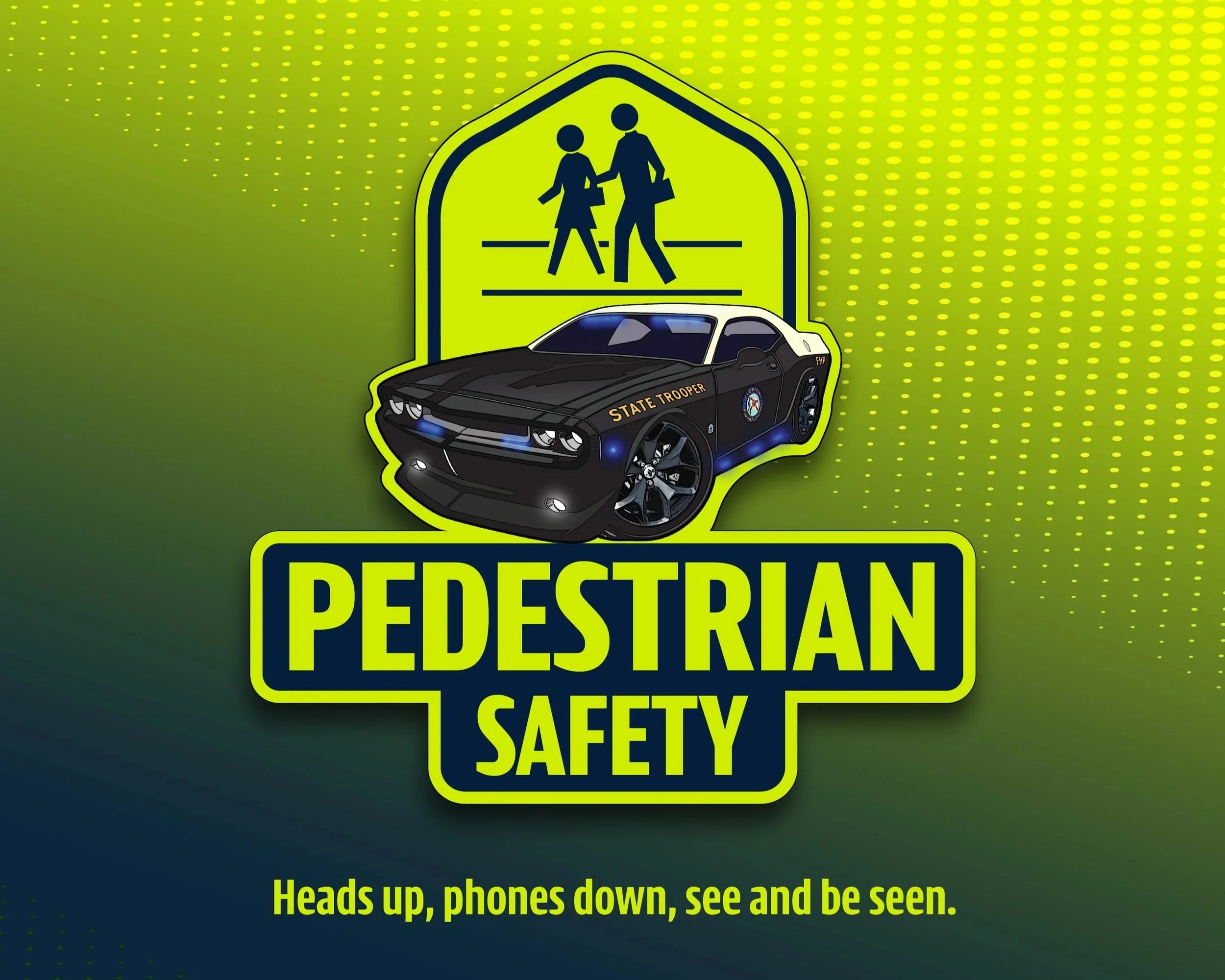
Pedestrian and work zone safety advertising is paid media, usually funded by a state department of transportation (DOT), highway safety office, or metropolitan planning organization, that changes how drivers behave around people outside the car: someone crossing the street, a road crew behind the barrels. It also helps people on foot get home safely. It works best when the message shows up close to the risk, in the corridors, neighborhoods, and stops where these crashes actually happen.
This guide explains what the data says about where and when pedestrian and work zone deaths occur, why place-based Out-of-Home (OOH) and Digital Out-of-Home (DOOH) media fit that pattern, which venues and audiences to prioritize, and how to report results to the standard public programs require.
What the Data Says About Pedestrian Deaths
NHTSA reports that 7,080 pedestrians were killed and more than 71,000 were injured in traffic crashes in 2024. That's one pedestrian killed every 74 minutes.
NHTSA's most recent detailed pedestrian fact sheet (2023 data) shows a clear pattern:
77% of pedestrian fatalities happened in the dark.
84% happened in urban areas.
74% happened away from intersections.
Alcohol involvement, for the driver and/or the pedestrian, was reported in 46% of fatal pedestrian crashes.
Pedestrians made up 18% of all traffic fatalities.
Here's what that means for a media plan. These crashes cluster in specific places (urban corridors, mid-block crossings) and at specific times (after dark, often with alcohol involved). A plan that reaches everyone statewide at noon misses most of the risk.
What the Data Says About Work Zones
The Federal Highway Administration (FHWA) reports 891 work zone fatalities in 2022. Of those:
145 were people on foot or on bicycles.
Speeding was a factor in 34% of fatal work zone crashes.
Commercial motor vehicles (CMVs) were involved in 30% of fatal work zone crashes.
94 highway workers died on road construction sites.
Most people killed in work zones are drivers and passengers, not workers. That's a useful creative angle: slowing down in a work zone protects you, not just the crew.
Why Place-Based OOH Fits This Problem
Pedestrian and work zone crashes are local problems. Place-based media is built for local targeting.
It matches the geography. You can place media inside the specific corridors, neighborhoods, and ZIP codes your crash data flags instead of buying a whole DMA.
It reaches both sides of the crash. The same block holds the driver at the gas station and the pedestrian at the bus stop or grocery store. Place-based plans can reach both.
It reaches people at night. Bars, restaurants, convenience stores, and gas stations are open when pedestrian risk peaks.
It shows up before the work zone. Gas stations, travel plazas, and truck stops along a construction corridor reach drivers before they hit the cones.
Venue Strategy for Pedestrian Safety
Urban Panels and Street-Level Media
Urban panels put the message at eye level, where people walk and wait. Use them along high-injury corridors and near transit stops, with creative for both drivers ("Every corner is a crosswalk") and walkers ("Be seen. Light up at night.").
Gas Stations and Convenience Stores
Drivers on a high-injury corridor fuel up on that corridor. Pump toppers and in-store screens at nearby stations let you tell them exactly where to slow down. See gas station advertising.
Bars, Restaurants, and Nightlife
With alcohol involved in nearly half of fatal pedestrian crashes, nightlife venues are where the message has to land. Remind patrons to plan a safe way home, whether they're walking or driving, and pair it with your impaired driving messaging.
Grocery Stores, Pharmacies, and Senior Centers
Older adults and families without a car often walk to the store, the pharmacy, or the clinic. These venues reach them with practical tips: cross at marked crossings, wear something reflective after dark, and make eye contact with drivers. See senior center advertising.
Schools and Community Centers
Children walking to school and parents on drop-off runs share the same streets. School and community center placements reach both, which matters most in back-to-school season and during the darker fall and winter months.
Venue Strategy for Work Zone Safety
Gas stations along the corridor: Why it works: Reaches drivers right before they enter the work zone; Formats: Pump toppers, gas station TV
Truck stops and travel plazas: Why it works: CMVs are involved in 30% of fatal work zone crashes; Formats: Pump toppers, in-store digital, restroom panels
C-stores near project limits: Why it works: Local commuters who drive the route daily; Formats: Window clings, counter mats, screens
Community and rec centers: Why it works: Residents who live with the project for months; Formats: Posters, digital screens
Truck stop advertising deserves its own line in the work zone budget. Professional drivers spend real time at the pump and in the store, and they drive the same corridors again and again.
Time work zone flights to the construction season and the specific project schedule. National Work Zone Awareness Week in the spring is a natural anchor. A project-specific flight that runs while crews are actually on the road is what gets results.
Creative That Fits the Moment
Lead with the location. "Slow down on Route 9. Crews are working through October." Specific beats generic.
One behavior per message. Slow down. Yield at crosswalks. Put the phone away. Pick one.
Make it human. Workers and pedestrians are someone's parent, kid, or neighbor. Show real people in real local settings.
Speak to both sides without blaming victims. Most of the responsibility sits with the driver. Pedestrian tips should read as practical help, not blame.
Use in-language creative where your data supports it. Many high-injury corridors run through neighborhoods where English isn't the first language at home. Run transcreated versions at equal prominence.
Design for darkness. In venues open at night, use high-contrast creative and timed digital dayparts.
Targeting With Your Own Data
The best pedestrian and work zone plans start with your own crash data:
Map the high-injury network. Use your state crash records and FARS data to find the corridors and intersections with the most fatal and serious injuries.
Overlay venues. Find gas stations, c-stores, bars, groceries, and community venues within those corridors.
Set dayparts. Weight DOOH toward the evening and nighttime hours when pedestrian deaths peak.
Layer in mobile. Extend reach to devices seen in those corridors and venues.
Plan control areas. Pick comparable corridors without media so you can measure lift.
Measurement and Accountability
Public safety budgets get scrutiny, and they should. Your reporting should show:
Proof of posting: time-stamped, geo-tagged photos for every venue.
Delivery by geography: impressions and placements by corridor, ZIP, and venue type.
Response metrics: QR codes and vanity URLs for safety tips, project information, or pledge pages.
Outcome indicators: observed yielding or speed data where your agency collects it, intercept surveys, and crash trends compared with control corridors over time.
Independent verification: PlaceBased's distribution has been confirmed in two consecutive Alliance for Audited Media (AAM) audits, at 113.3% and 111% of guaranteed distribution.
For more on what good reporting looks like, see campaign reporting in DOOH.
How PlaceBased Helps
We plan, produce, install, and verify place-based campaigns across 300+ U.S. markets as a single, fully managed partner. For DOTs and highway safety offices, that means one plan that covers urban corridors, rural highways, truck stops, and neighborhood venues, plus one set of reports your program review can use.
Frequently Asked Questions
Where should a pedestrian safety campaign run? Inside the high-injury corridors your crash data identifies, in venues that reach both drivers and people on foot: gas stations, urban panels, bars and restaurants, grocery stores, pharmacies, and schools. Weight digital toward evening hours, since most pedestrian deaths happen in the dark.
How do you reach drivers before a work zone? Place media at gas stations, convenience stores, truck stops, and travel plazas along the corridor leading into the project, and time it to when crews are on the road.
Should work zone campaigns target truck drivers? Yes. FHWA data shows commercial motor vehicles were involved in 30% of fatal work zone crashes in 2022. Truck stops and travel plazas reach professional drivers on the routes they drive repeatedly.
How do you measure a pedestrian or work zone campaign? Start with verified delivery and proof of posting, then add response tracking and compare outcome indicators, such as speeds, yielding behavior, surveys, or crash trends, against corridors that didn't get media.
Let's Talk
You know where the crashes happen. We'll help you put the right message in those exact places, at the hours that matter, with proof it ran.
Sources
NHTSA, "Pedestrian Safety": 7,080 pedestrians killed and 71,000+ injured in 2024; one killed every 74 minutes. https://www.nhtsa.gov/road-safety/pedestrian-safety
NHTSA, Traffic Safety Facts: 2023 Data – Pedestrians (DOT HS 813 727): 77% in the dark; 84% urban; 74% non-intersection; 46% alcohol involvement; 18% of all traffic fatalities. https://crashstats.nhtsa.dot.gov/Api/Public/ViewPublication/813727
FHWA, "Work Zone Facts and Statistics": 891 work zone fatalities in 2022; 145 persons on foot/bicyclists; speeding a factor in 34% of fatal work zone crashes; CMVs involved in 30%; 94 highway worker occupational fatalities in 2022. https://ops.fhwa.dot.gov/wz/resources/facts_stats.htm
PlaceBased AAM audit figures: https://placebased.media/blog/the-accountability-gap-in-place-based-advertising