
Maternal Health Advertising: Reach Expectant and New MothersFrom pregnancy to year one.
Pregnancy and the first year after birth are when families make some of their biggest health decisions, and when the right information at the right time matters most. More than 3.6 million babies were born in the United States in 2024 (CDC, National Center for Health Statistics). CDC reports that more than 80% of pregnancy-related deaths are preventable.
- 500,000+ locations
- AAM-audited delivery
- English, Spanish + 15 more languages
- Fully managed
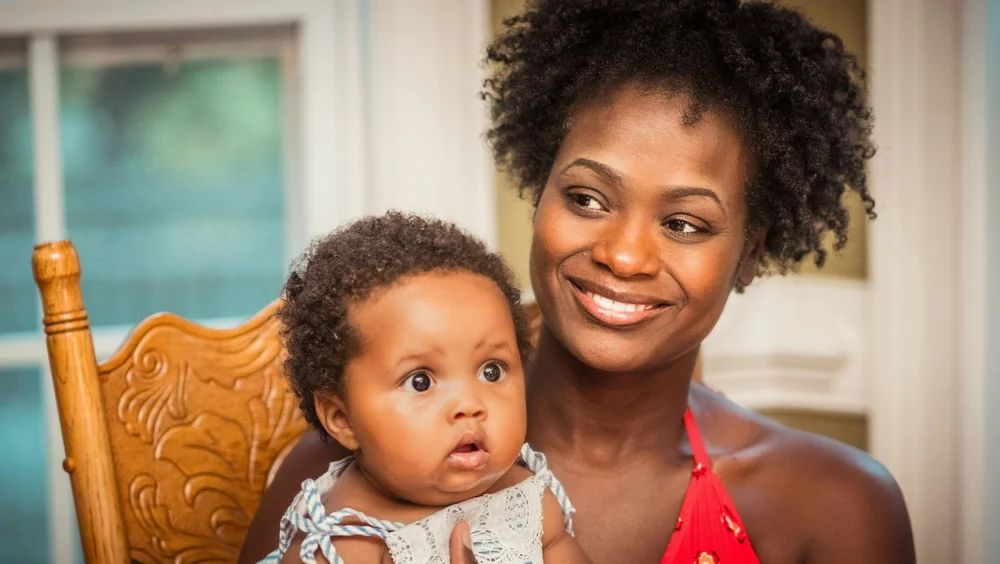

PlaceBased helps state and local health departments, WIC and Medicaid programs, health systems, health plans, and nonprofits reach expectant and new mothers in the trusted places they go for prenatal care, pediatric visits, childcare, prescriptions, and groceries.
Where moms already are.
OB/GYNs see 73 million office visits a year, and 3.6 million babies were born in the U.S. in 2024.
Source: CDC National Center for Health Statistics, “National Ambulatory Medical Care Survey: 2016 National Summary Tables,” 2016.68% of mothers with children under 6 are in the labor force.
Source: U.S. Bureau of Labor Statistics, “Employment Characteristics of Families — 2025,” 2026.Why Place-Based Media Works for Maternal Health
Prenatal visits are a natural starting point
An expectant mother in an OB/GYN waiting room is already focused on her pregnancy and ready to hear about programs and warning signs.
The journey continues after birth
Pediatric visits, daycare drop-offs and pick-ups, pharmacy trips, and grocery runs give campaigns repeated chances to reach new mothers during the postpartum year.
Trust matters
Messages about warning signs, mental health, or coverage carry more weight inside a clinic than in a social feed.
Where We Reach Expectant and New Mothers
| Environment | Moment in the journey | Common formats |
|---|---|---|
| OB/GYN offices | Prenatal and postpartum visits | Waiting room posters and screens, restroom mirror clings, prenatal guides, take-ones |
| Pediatric practices | Newborn and well-child visits | Posters, digital displays, take-ones |
| Daycares and childcare centers | Daily drop-off and pick-up for families with infants and young children | Parent-facing posters and take-ones |
| Community health centers | Prenatal and primary care in underserved communities | In-language posters and take-ones |
| Pharmacies | Prenatal vitamins, prescriptions, vaccinations | Counter displays, pharmacy screens |
| Grocery stores | Weekly shopping for the household | Posters, digital screens, cart ads |
| Community centers | Family programs and activities | Posters, lobby screens |
See our full point-of-care advertising network.
Maternal Health Campaigns We Support
- Early and ongoing prenatal care
- Urgent maternal warning signs during pregnancy and after birth
- Postpartum depression and maternal mental health resources
- WIC enrollment and re-enrollment
- Medicaid coverage during pregnancy and postpartum
- Syphilis and other testing during pregnancy
- Vaccines recommended during pregnancy
- Safe sleep and infant safety
- Breastfeeding support
- Tobacco cessation and substance use treatment during pregnancy
Building a Maternal Health Message That Works
- Pick one actionCall a nurse line, schedule a postpartum visit, apply for WIC. One message, one next step.
- Meet families in their languageWe run creative in English, Spanish, and 15+ additional languages, with cultural adaptation, not just translation.
- Show real familiesRespectful, realistic imagery works better than stock clichés.
- Plan for the whole yearCarry the message from prenatal visits through the postpartum period, when many warning signs and coverage gaps appear.
For more on reaching eligible families, read our guide to WIC enrollment campaigns.
Targeting and Coverage
Target by ZIP code, county, DMA, state, or nationwide. Prioritize communities using public data, such as counties with limited prenatal care access or higher Medicaid enrollment. Point-of-care targeting uses location and specialty, never individual patient health data.
Verified Delivery
Delivery is audited by the Alliance for Audited Media (AAM). Every campaign includes venue-level proof of posting with time-stamped, geo-tagged photos, location lists, and response tracking with QR codes, vanity URLs, and call or text short codes, giving grant-funded programs documentation they can report.
Related Audiences
Maternal health campaigns often run alongside our parents, women, and children, Hispanic, and rural programs.
Maternal Health Advertising FAQs
01What is maternal health advertising?
Maternal health advertising delivers information about prenatal care, postpartum health, coverage, and family programs to people who are pregnant or recently gave birth. Place-based campaigns put that information in OB/GYN offices, pediatric practices, daycares, pharmacies, and other trusted community venues.
02Where can advertisers reach expectant mothers?
In OB/GYN and prenatal care offices, community health centers, pharmacies, grocery stores, and community centers. After birth, pediatric practices and daycares and childcare centers become key touchpoints.
03Who uses maternal health advertising?
State and local health departments, WIC and Medicaid programs, health systems, health plans, and maternal and child health nonprofits.
04Can maternal health campaigns be targeted to specific communities?
Yes. Campaigns can be targeted by ZIP code, county, DMA, or state and prioritized using public health and coverage data.
05How are campaigns measured?
With venue-level proof of posting, location and delivery reports, and response tracking such as QR codes and vanity URLs.
Pair it with
OB/GYN offices
6,000+ OB/GYN offices.
Explore ob/gyn offices →Pediatric offices
7,500+ pediatric offices.
Explore pediatric offices →Daycares
Drop-off and pick-up, every weekday.
Explore daycares →Pharmacies
Counter, shelf and screen, at pickup.
Explore pharmacies →Grocery stores
Entrance, aisle, cart and checkout.
Explore grocery stores →See every media solution.
All media solutions →Planning a campaign? Start with our public health advertising overview, compare DOOH advertising screens, or browse every OOH and DOOH media solution.
Let's talk.
Tell us which families you need to reach and the one action you want them to take. We'll build a maternal health plan around the places they already trust.