
Caregiver Advertising: Reach the People Who Manage CareReach the people who manage care.
Caregivers drive the appointment, pick up the prescription, fill out the enrollment form, and remember the follow-up. When a health message needs to reach an older adult, a child, or someone living with a serious illness, it often has to reach their caregiver first.
- 500,000+ locations
- AAM-audited delivery
- English, Spanish + 15 more languages
- Fully managed


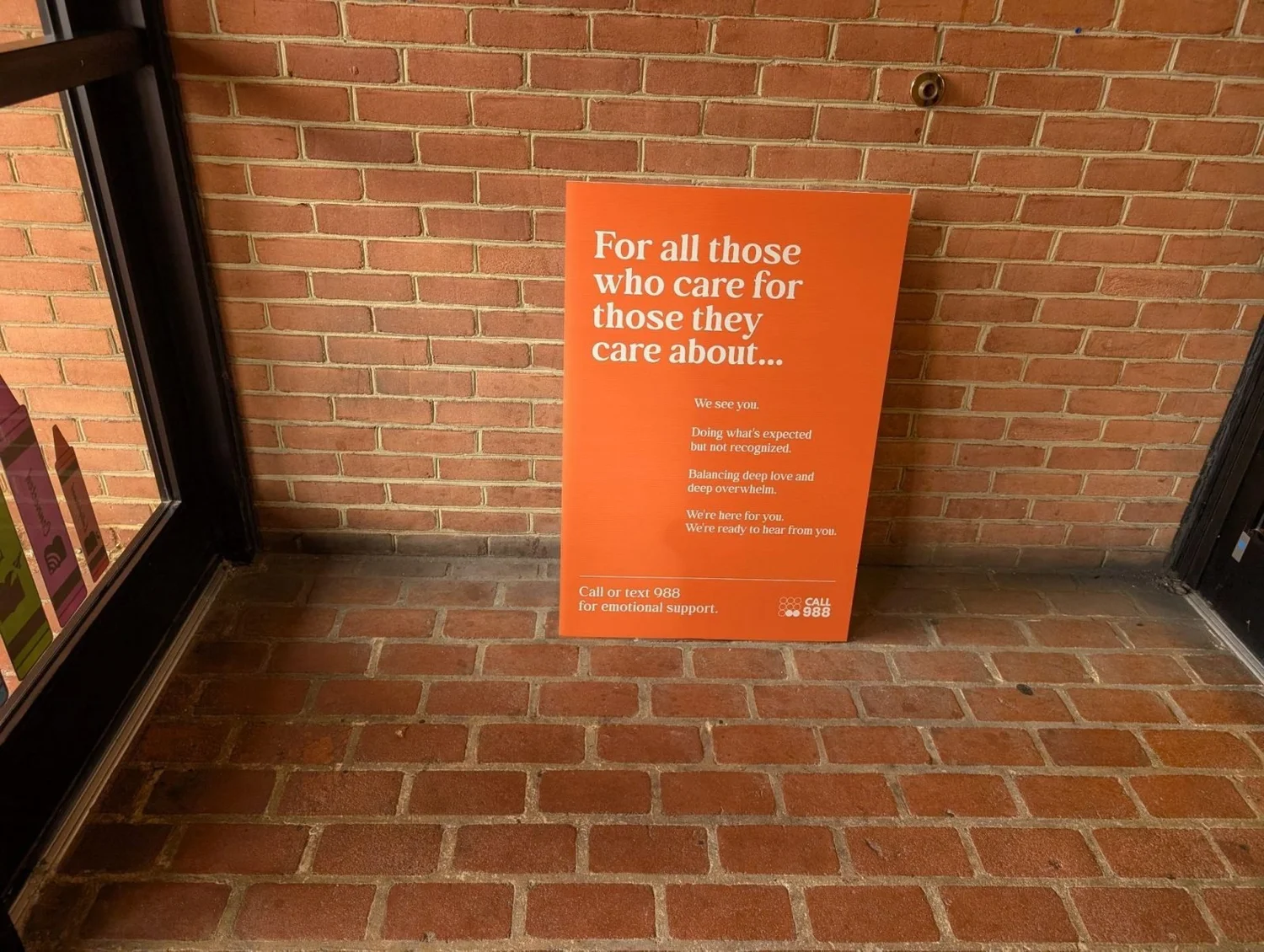
That's a big audience. About 63 million U.S. adults, almost one in four, provided ongoing care to an adult or child with a medical condition or disability in the past year (AARP and National Alliance for Caregiving, Caregiving in the US 2025).
PlaceBased helps state and local agencies, aging services organizations, health systems, health plans, pharmaceutical brands, and nonprofits reach caregivers in the trusted places their routines already take them.
Caregivers are in the room.
1 in 4 Americans (24.7%) take three or more prescription drugs.
Source: CDC National Center for Health Statistics, “FastStats: Therapeutic Drug Use,” 2025 (NHANES 2017–Mar 2020).The average medical visit keeps patients in the clinic for 84 minutes, but only about 20 of those minutes are face-to-face with the physician.
Source: Ray KN, Chari AV, Engberg J, et al. (American Journal of Managed Care), “Opportunity Costs of Ambulatory Medical Care in the United States,” 2015.Why Place-Based Media Works for Caregivers
Caregivers rarely have time to go looking for information. They're in the waiting room, at the pharmacy counter, or picking a parent up from the senior center. Place-based media meets them in those moments.
They're already in a care setting
Caregivers sit in waiting rooms with the people they support, especially in pediatric, geriatric, and oncology care.
They act on the information
Caregivers research treatment options, manage medications, and handle paperwork.
The setting builds trust
A resource seen in a clinic, pharmacy, or senior center carries the credibility of that place.
Where We Reach Caregivers
| Environment | Why it fits caregivers |
|---|---|
| Physician offices and clinics | Caregivers accompany patients in pediatrics, geriatrics, oncology, and chronic condition care |
| Pharmacies | Caregivers pick up and manage medications for family members |
| Senior centers and aging services facilities | Adult children and spouses connect older adults with services |
| Community and recreation centers | Families and caregivers gather for programs and activities |
| Grocery stores | Weekly errands for the household and the person they care for |
| Faith-based and nonprofit community facilities | Trusted gathering spaces for multi-generational families |
Caregiver Campaigns We Support
- Caregiver support programs, respite care, and helplines
- Alzheimer's and dementia awareness and early warning signs
- Medication safety, adherence, and safe disposal
- Fall prevention for older adults
- Medicaid home- and community-based services and paid caregiver programs
- Medicare and health coverage enrollment
- Hospice and palliative care information
- Mental health and burnout resources for caregivers, including 988
- Veteran caregiver programs
- Patient support resources from health systems and pharmaceutical brands
Messages Caregivers Act On
Caregivers are often stretched thin. The messages that work respect their time:
- Lead with the help, not the problem"Free respite care in your county" beats a list of caregiver stress statistics.
- One actionA phone number, a short URL, or a QR code. Pick the one that matters most.
- Make it easy to take homeTake-one cards and brochures let caregivers share the information with the rest of the family.
- Speak their languageWe run creative in English, Spanish, and 15+ additional languages, with cultural adaptation, not just translation.
Formats
- Waiting room screens and posters
- Pharmacy counter displays and screens
- Take-one brochures and resource cards
- Posters and digital screens in senior centers and community centers
- Privacy-safe mobile extensions that reinforce in-venue messages
Targeting and Coverage
Target by ZIP code, county, DMA, state, or nationwide. Prioritize communities using public data, such as neighborhoods with more older adults or counties with a higher prevalence of a specific condition. Point-of-care targeting is by location and specialty, never by individual patient health data.
Verified Delivery
Delivery is audited by the Alliance for Audited Media (AAM). Every campaign includes venue-level proof of posting with time-stamped, geo-tagged photos, location lists, and response tracking with QR codes and vanity URLs.
Related Audiences
Caregiver campaigns often work alongside our aging population, parents, and military and veteran programs.
Caregiver Advertising FAQs
01What is caregiver advertising?
Caregiver advertising reaches the family members, friends, and neighbors who help manage someone else's health and daily needs. Place-based caregiver advertising puts those messages in clinics, pharmacies, senior centers, and other places caregivers visit.
02Where can advertisers reach caregivers?
In healthcare waiting rooms, pharmacies, senior centers and aging services facilities, community centers, grocery stores, and faith-based and nonprofit community spaces.
03Who uses caregiver advertising?
State units on aging, area agencies on aging, health departments, Medicaid programs, health systems, health plans, pharmaceutical brands, and nonprofits.
04Can caregiver campaigns run in multiple languages?
Yes. Campaigns can run in English, Spanish, and 15+ additional languages, and versions can vary by market or location.
05How are caregiver campaigns measured?
With venue-level proof of posting, location reports, and response tracking such as QR codes, vanity URLs, and call or text short codes.
Pair it with
Pharmacies
Counter, shelf and screen, at pickup.
Explore pharmacies →Point of care
Waiting rooms, exam rooms and HCP lounges.
Explore point of care →Grocery stores
Entrance, aisle, cart and checkout.
Explore grocery stores →Community centers
Rec centers, gyms and youth sports.
Explore community centers →Public health
Campaigns for health departments and nonprofits.
Explore public health →See every media solution.
All media solutions →Planning a campaign? Start with our public health advertising overview, compare DOOH advertising screens, or browse every OOH and DOOH media solution.
Let's talk.
Tell us who your caregivers are caring for and what you need them to do. We'll build a plan around the places they already go.