
Government Advertising Media Planning Guide, 2027Marketing in government, planned.
A media planning guide to government advertising and marketing in government. Venues, regulations, measurement, and how to choose a government advertising partner.
- 500,000+ locations
- AAM-audited delivery
- English, Spanish + 15 more languages
- Fully managed
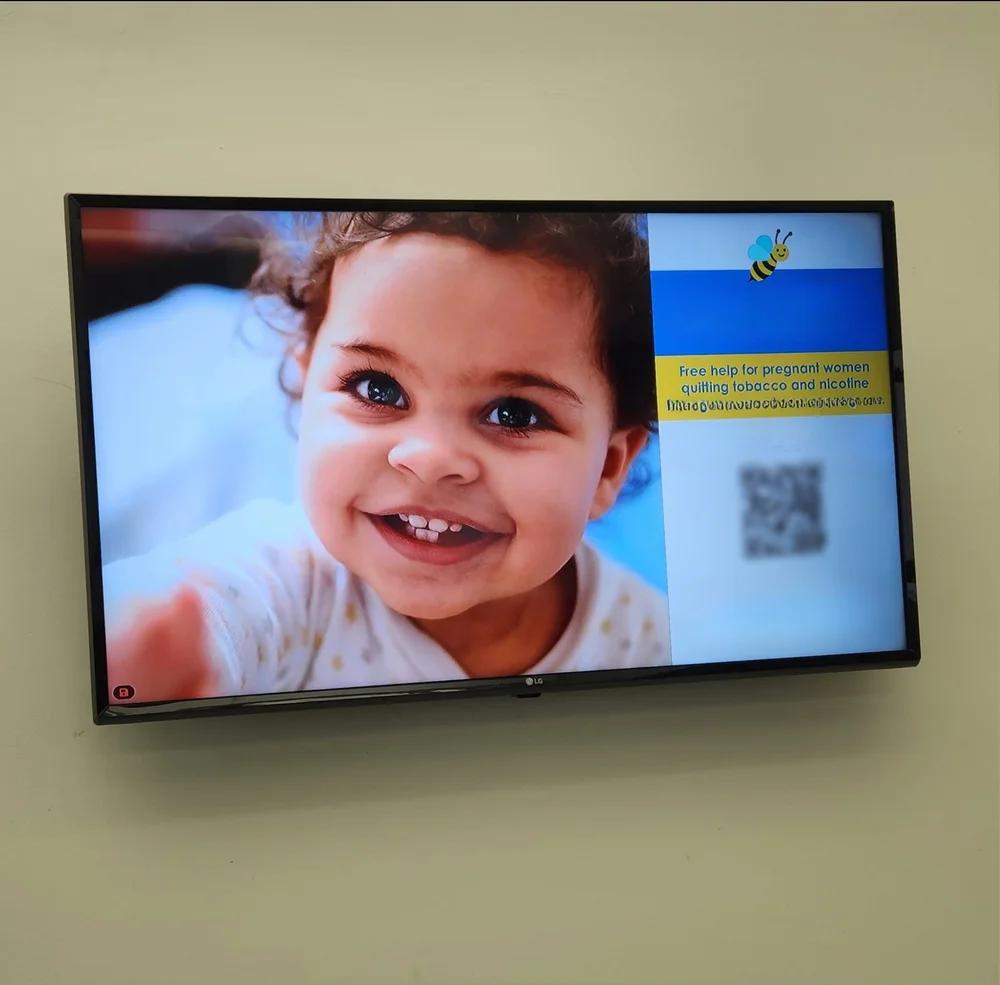
Government advertising has a different job than most consumer campaigns.
The goal is rarely a sale. Federal, state, county, city, and Tribal agencies, and the firms that support them, use government advertising to inform the public, change behavior, increase enrollment, improve safety, and connect people to services.
That is what marketing in government usually means in practice: paid public communication about programs, services, and public-interest issues, not political advertising for a candidate or a party.
This guide is for health departments, departments of transportation, tourism and economic-development offices, enrollment and benefits teams, public safety offices, and the advertising agencies that plan work on their behalf. It covers how to plan place-based out-of-home (OOH) and digital out-of-home (DOOH) for government campaigns, where those messages work, how to stay inside public-sector rules, and how to choose a government advertising partner.
It sits with PlaceBased Media's other planning guides under Media planning guides, and it supports the public health advertising pillar. For a topic-specific plan, use the public health, traffic safety, or tourism guides alongside this one.
What Is Government Advertising?
Government advertising is paid media used by a public agency, or by a contractor working for one, to reach the public with official information.
Marketing in government uses the same planning discipline as other paid media (audience, geography, message, budget, timeline, and measurement) but with tighter rules on fairness, transparency, procurement, and the use of public funds.
It is not political advertising. Government campaigns should stay on the program, the service, or the public-interest issue. Party messaging and candidate promotion belong in a separate, political channel.
Common government advertising objectives include:
- Public health awareness, prevention, and enrollment, including 988, Medicaid, WIC, vaccination, and tobacco or substance-use prevention
- Traffic safety and public safety, including seat belts, impaired driving, speeding, and work-zone safety
- Tourism and destination marketing for state and local travel offices
- Program and benefits enrollment
- Workforce and service recruitment for public programs
- Emergency preparedness and public-information updates
Place-based OOH and DOOH fit this work because the message can sit in the clinics, schools, pharmacies, grocery stores, gas stations, and community places the audience already visits, in the language they use, with delivery that can be independently audited.
Government Advertising Regulations and Guidelines
Public-sector campaigns are judged on accuracy and process as much as on reach. A plan that ignores the rules will not survive review, however strong the creative looks.
Requirements vary by federal, state, and local jurisdiction, and by funding source, so your legal and procurement teams remain the authority. These are the principles that come up most often when planning government advertising:
- Fairness and impartiality. The message should be objective and accurate, and free from political influence or favoritism.
- Transparency and accountability. It should be clear that public funds are paying for the campaign, and the purpose of the work should be easy to explain.
- No political advertising. Government advertising should inform and educate. It should not be used to promote a party, a candidate, or a political argument.
- Advertising standards. Truthfulness, decency, and the avoidance of misleading claims still apply, alongside any government-specific rules.
- Procurement and record-keeping. Many government buyers must compete the work, document the selection, and keep a file that can stand up to audit. See our RFP and procurement guide if you are writing or responding to a solicitation.
A useful government advertising partner will plan for these constraints from the first conversation, not treat them as a surprise at legal review.
How to Plan a Government OOH Campaign
A government media plan starts with the public problem, not with a list of formats.
Start with the objective and the audience
Name the behavior, knowledge, or enrollment outcome you need, and who must see the message for that outcome to be possible. A 988 campaign, a seat-belt mobilization, and a Medicaid enrollment push do not share a single media mix.
Map where that audience already goes
Place-based planning asks where the audience lives, learns, works, shops, and waits. Clinics, pharmacies, schools, grocery stores, gas stations, and community centers often outperform a generic "everywhere" buy because the visit is already part of daily life.
Plan language and accessibility early
If the audience uses Spanish or another language at home, in-language creative should be in the plan from the start, not added after English units are booked. The same is true for plain language and accessibility in print and on screen.
Time the flight to the program
Enrollment windows, enforcement mobilizations, tourism seasons, and school calendars should drive the dates. A short awareness burst and a months-long prevention campaign need different durations. Your own calendar and funding rules should set the length; there is no single right number of weeks for every government campaign.
Set measurement before launch
Agree in advance on what you will report (locations, maps, photos or playlogs, impressions where they are audited, and any supporting surveys or program data you will use). Government buyers usually need a file that can be shown to a funder or an auditor.
When you want a plan for a specific audience, topic, and geography, request a free media plan. We will map venues, markets, formats, and languages. We do not publish a public rate card in this guide, because pricing depends on geography, format, duration, and inventory.
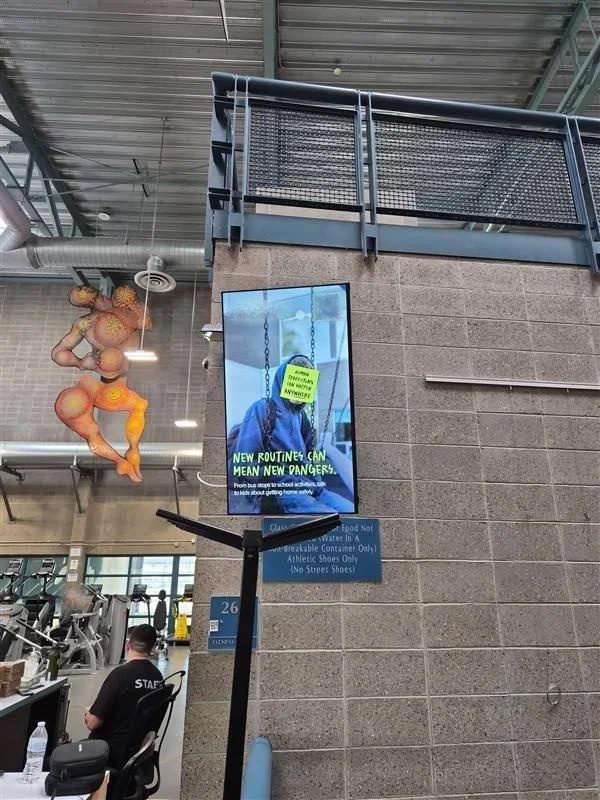
Best Places for Government Advertising and PSAs
The best placement is the place your audience already trusts and already visits. Government campaigns and public service announcements work when the message shows up in those rooms, not only along a highway.
PlaceBased Media plans and places campaigns in a national place-based network with 500,000+ locations. The venues below are the ones we use most often for government and public-health work. Other OOH formats, including roadside billboards and transit, can still be part of a broader mix when a buyer already has them in the plan.
Healthcare and pharmacies
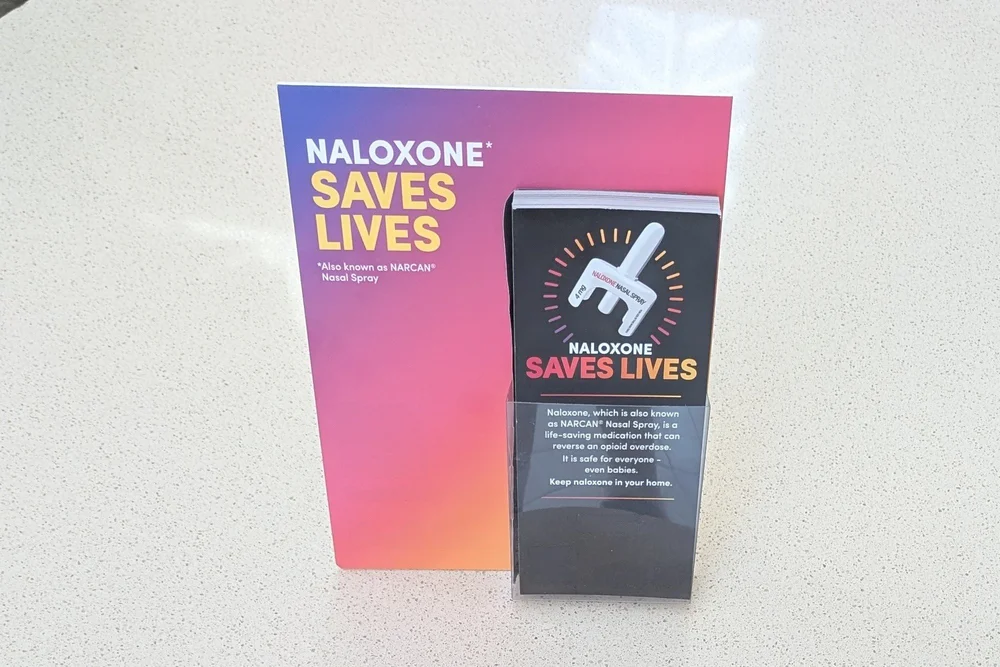
Point-of-care waiting rooms, exam rooms, and staff areas, and pharmacy counters and screens, reach people when health decisions are already on their mind. Take-ones and posters can sit next to the conversation, not only on a screen.
Grocery stores
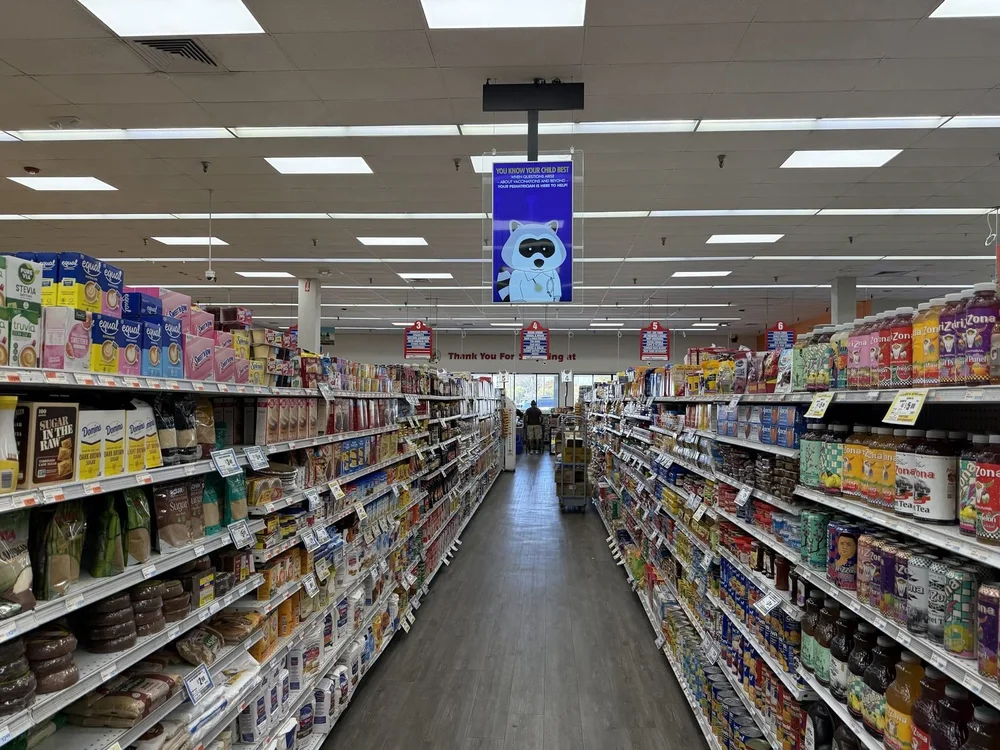
Grocery store advertising reaches a wide local audience during a routine trip. Hanging screens, carts, and in-aisle placements work well for enrollment, nutrition, and family-health messages.
Gas stations and convenience stores
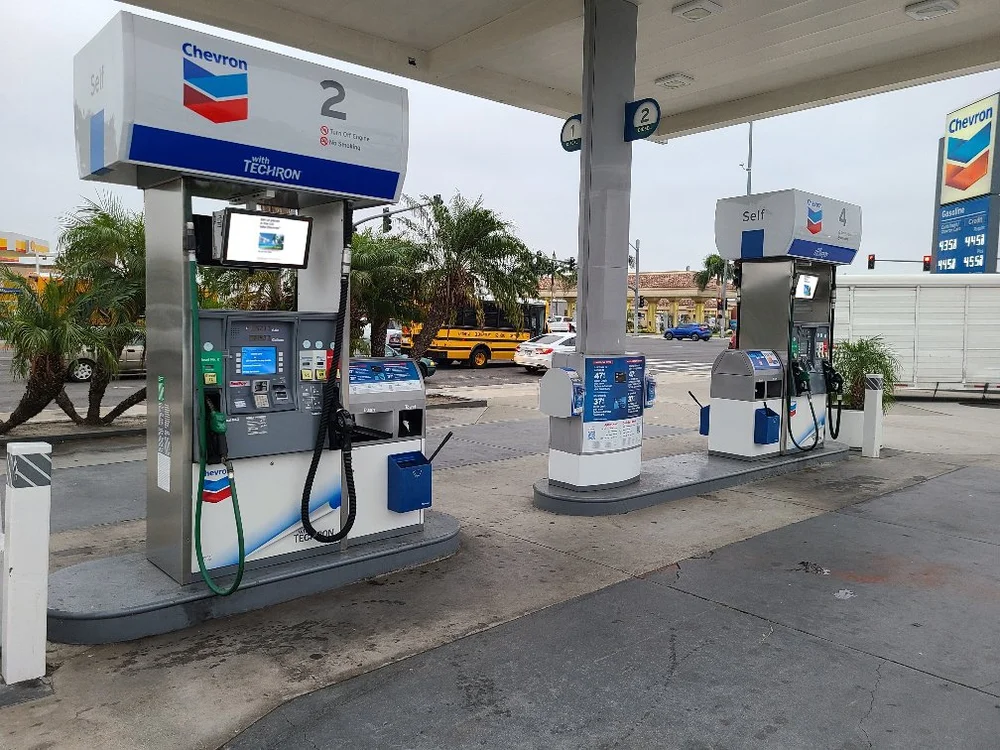
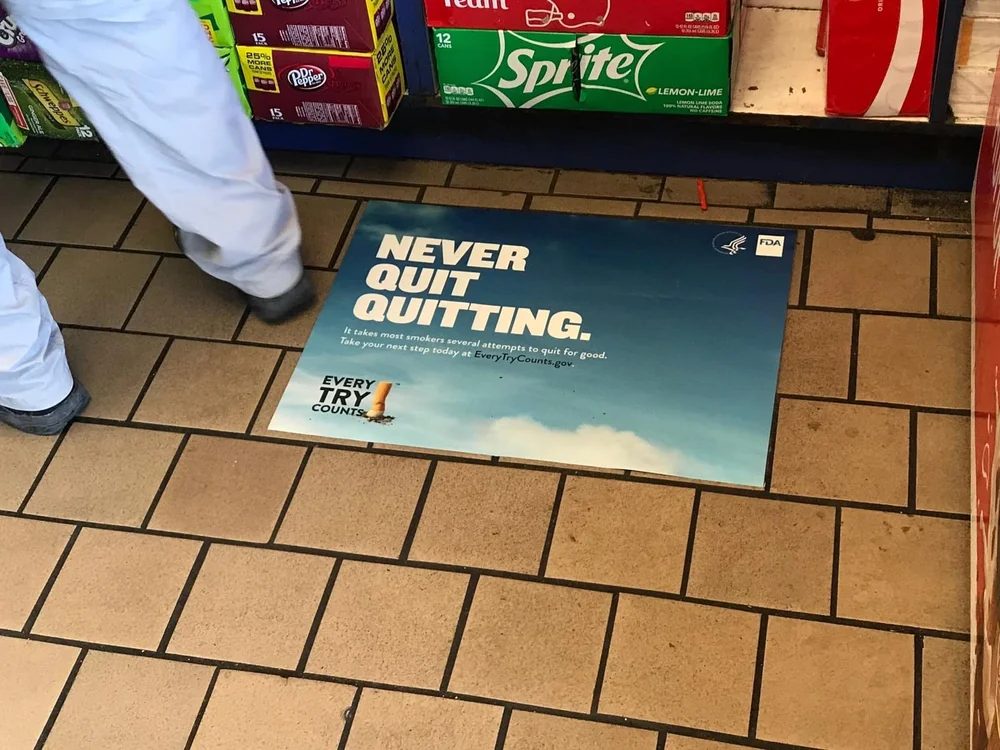
Gas station advertising reaches drivers at the pump and inside the store, across 29,000+ gas stations. Pump screens, pump toppers, and in-store floor or counter placements are a natural fit for traffic safety, impaired-driving, and public-health messages aimed at adults on the move.
Schools and campuses
High school and college placements reach students, and often parents, in hallways, cafeterias, and gyms. They are a core environment for youth prevention, mental health, and enrollment messages.
Community centers and everyday local places
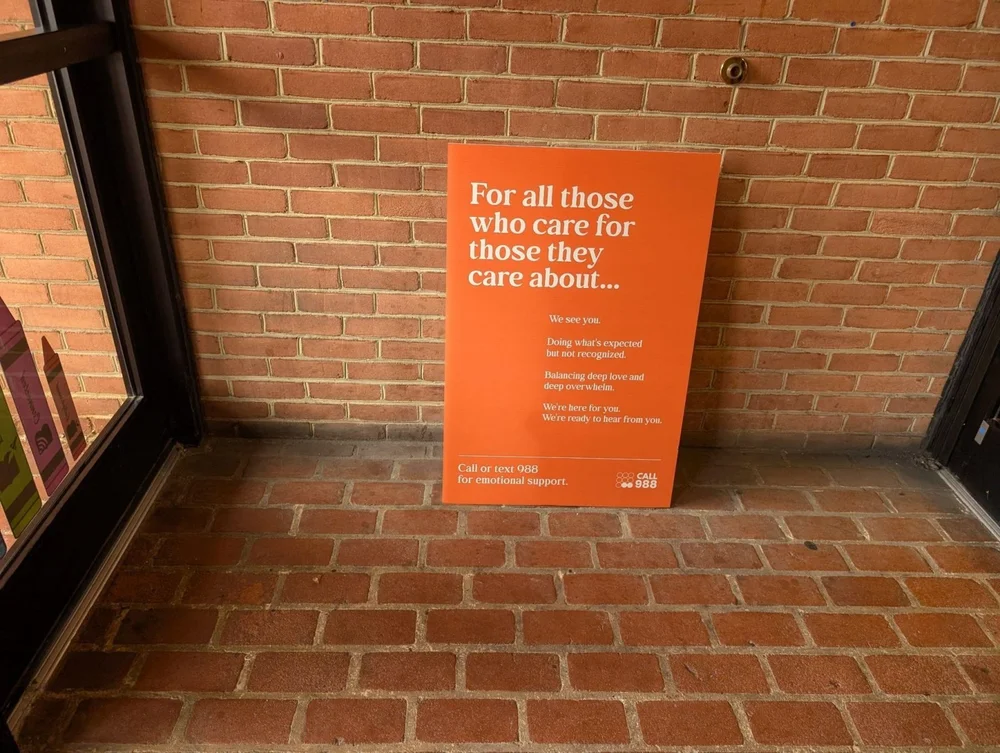
Community centers, Tribal community venues, libraries, barbershops and salons, and other neighborhood places reach families and communities that a highway buy can miss, including rural and multicultural audiences. A 988 or caregiver message can also sit in the shops people already walk through.
For donated leftover roadside space, see our note on OOH for PSAs. Paid, targeted, AAM-audited place-based placements are a different product, with a different standard of proof.
How to Choose a Government Advertising Partner
Government advertising agencies, and other specialized partners, earn the work by understanding public-sector rules, not only by making ads.
When a government body looks for help, it is usually looking for a team that can plan, produce, place, and report a campaign under procurement and communications rules. Use these questions whether you are hiring a full-service government advertising agency or a place-based media partner:
- Public-sector experience. Have they planned government advertising before, and do they understand fairness, transparency, and the difference from political work?
- Topic fit. Can they show relevant work in public health, traffic safety, tourism, or enrollment, without stretching unrelated case studies?
- Creative and language. Can they produce or adapt creative for the environment, including in-language units when the audience needs them?
- Media planning and buying. Can they explain why a venue list fits the audience, and document what was actually delivered?
- Procurement readiness. Can they respond to an RFP, work as a subcontractor to your agency of record, and keep records that stand up to audit?
- Budget discipline. Can they build a plan inside a fixed public budget, and be honest about what that budget can and cannot do?
PlaceBased Media works with government agencies and with the agencies of record that serve them. We work behind the agency when that is the relationship; the client stays the agency's client. If you want a short capability overview, request a capability statement. We send it after a person replies. It is not posted as a public download.
Agencies planning on behalf of a government client can also start on For agencies.
How a Government Advertising Engagement Usually Runs
A clear process keeps legal, communications, procurement, and program staff aligned.
- Intake. Audience, topic, geography, dates, languages, budget range, and any procurement or brand constraints.
- Research and planning. Venue and market recommendations, a flighting outline, and a written plan your reviewers can mark up.
- Creative. New work or adaptations for each format, including in-language versions, with time for approval.
- Production and installation. Printing or trafficking, scheduling, and in-venue installation or digital play-out.
- Reporting. Proof of performance as the campaign runs and when it ends, in a format your team can file.
The details change with the contract, but government buyers should expect this arc, and a single point of contact who can explain status to a program officer or a legal reviewer.
How to Evaluate Government Advertising Campaigns
Public campaigns have to show what ran, who it was for, and what you can fairly claim.
Useful evaluation usually combines delivery reporting with any program or research measures you already collect. Typical inputs include:
- Delivery and exposure. Locations, maps, dates, photos or playlogs, and impressions where they are independently audited. PlaceBased Media uses AAM-audited delivery.
- Awareness and recall. Surveys or other research, when the budget and timeline support them, to see whether the audience can recall the message.
- Behavior or program results. Enrollment, calls or web visits to a public number or site, or other outcomes your program already tracks. Media is one contributor, not the only one.
- Accountability. A report your funder, board, or auditor can read, with the constraints of the buy stated clearly.
We do not invent a single "typical" cost-per-result for government advertising in this guide. Results depend on the topic, the market, the duration, and the measurement design you set in advance.
Challenges in Government Advertising
Most government campaigns run into the same five constraints. Plan for them early.
- Regulatory and legal review. Copy, disclaimers, and claims often need more than one office to sign off.
- Public trust. Audiences can be skeptical of government messages. Clear facts, the right language, and a trusted local environment help more than volume alone.
- Budget limits. Public budgets are often fixed and competitive. The plan should match the money, not assume a later increase.
- Stakeholder alignment. Program, communications, procurement, and leadership may not share one brief until someone writes it down.
- Measurement expectations. Funders may want proof that a consumer brand would not be asked to produce. Agree on the standard before launch.
Government Advertising Campaigns Worth Studying
These are well-known public campaigns, not PlaceBased Media case studies. They show how clear messages and the right environments can change behavior.
Click It or Ticket. The National Highway Traffic Safety Administration's seat-belt mobilization is a long-running example of government advertising tied to enforcement dates, a simple action, and media that reaches drivers. Place-based and gas station advertising are a natural extension of that idea, because the message can appear at the pump. For planning around national mobilizations, see the traffic safety media planning guide and our Click It or Ticket campaign ideas.
Truth. The Truth anti-tobacco campaign, from the American Legacy Foundation (now Truth Initiative), showed how direct creative, aimed at young people, can support a public-health goal. Youth and point-of-sale environments remain relevant for tobacco and vaping prevention. See our tobacco control marketing guide.
Use examples like these for structure and discipline. Do not copy claims or results into your own plan unless you have measured them yourself.
Request a capability statement.
We work with health and transportation departments and the agencies that serve them, at the federal, state, county, city, and Tribal level. Tell us where to send a short capability statement. A member of our team will follow up.
The statement is available on request. It is not posted as a public download.
Independent Verification. Greater Accountability.
PlaceBased Media uses independent auditing and proof-of-performance practices to strengthen accountability. AAM recently featured our approach to verified delivery and transparency.
Frequently Asked Questions
01What is government advertising?
Government advertising is paid media used by a public agency, or by a partner working for one, to inform the public about programs, services, or public-interest issues. In this guide it means marketing in government, not ads for a political candidate.
02Is government advertising the same as political advertising?
No. Government advertising should be fair, accurate, and about official programs or public-interest issues. Political messages for a party or a candidate should stay out of a government advertising campaign.
03What do government advertising agencies do?
They help a public agency plan, create, place, and measure campaigns under public-sector rules. That can include research, creative, media planning and buying, procurement support, and reporting. Some government buyers hire a full-service firm; others use a specialist, such as a place-based media partner, alongside an agency of record.
04How do you choose a government advertising partner?
Look for public-sector experience, topic fit, in-language creative when you need it, a clear venue rationale, procurement readiness, and honest budget advice. Ask how they will report what actually ran.
05Where should government advertising run?
In the places the audience already visits. For many public health, enrollment, and safety campaigns, that includes clinics, pharmacies, schools, grocery stores, gas stations, and community centers. Roadside and transit can still play a role in a broader mix.
06How is a government OOH campaign measured?
Start with delivery: locations, dates, proof of posting or play, and impressions where they are independently audited. Add awareness research or program data when the design and budget support it. Agree on the standard before launch.
07Can we get a capability statement?
Yes. Request one through the form or the button on this page, and a member of our team will follow up. We do not publish the full capability statement as a public download.
Pair it with
Public health
Campaigns for health departments and nonprofits.
Explore public health →Traffic safety
A planning guide for DOTs and highway safety offices.
Read the guide →Tourism
Destination media planning around the traveler journey.
Read the guide →For agencies
How we work with agency teams and agencies of record.
See For agencies →Gas stations
Pump screens, toppers, and c-store media for drivers.
Explore gas stations →See every planning guide.
All media planning guides →Planning for a government client? See how we work with agency teams →