HIV Prevention Awareness Campaign Case Study287 venues. 17 markets.
A health brand ran a PrEP awareness campaign with PlaceBased Media in LGBTQ+ bars, bathhouses, saunas and other community venues across 17 U.S. markets. It was contracted for 264 locations and installed 287, about 109% of the contracted footprint, at no additional cost.
- 500,000+ locations
- AAM-audited delivery
- English, Spanish + 15 more languages
- Fully managed
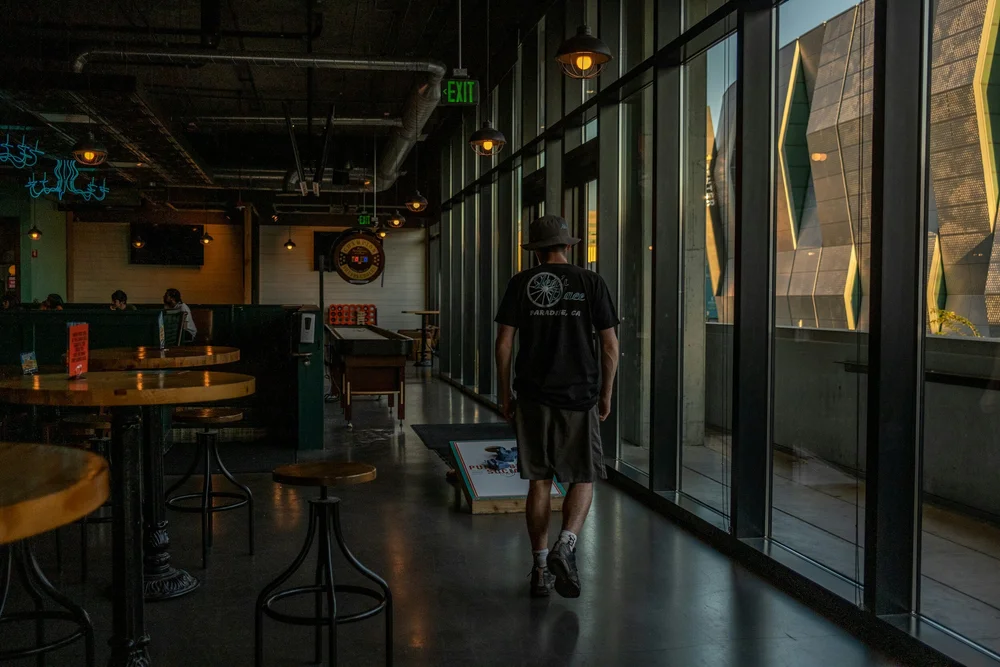
Community spaces where people gather.
At a Glance
A health brand partnered with PlaceBased Media on an HIV Prevention Awareness Campaign focused on PrEP awareness. The campaign ran in LGBTQ+ bars, bathhouses, saunas, and other LGBTQ+ venues across 17 U.S. markets, with messaging on posters and coasters. It was contracted for 264 locations and installed 287, adding 23 bonus locations, about 109% of the contracted footprint, at no additional cost.
| Client | A health brand |
|---|---|
| Focus | HIV prevention (PrEP) awareness |
| Audience | LGBTQ+ communities, including gay, bisexual, and other men who have sex with men |
| Venues | LGBTQ+ bars · Bathhouses · Saunas · Other LGBTQ+ venues |
| Formats | Posters · Coasters |
| Markets | 17 U.S. markets |
| Contracted | 264 locations |
| Installed | 287 locations (23 bonus, about 109% of contracted) |
Meeting the Community Where It Gathers
HIV prevention messaging is most useful when it shows up in places where people feel at home. For many LGBTQ+ people, the neighborhood bar, the bathhouse, or the sauna is more than a night out. It's a community space, and a setting where a health message can feel familiar and welcoming rather than clinical.
PlaceBased Media partnered with a health brand to bring PrEP awareness messaging into those community spaces. Like our 988 Suicide & Crisis Lifeline Awareness Campaign, this campaign placed health messaging inside trusted, everyday environments instead of relying on broad media alone.
Why HIV Prevention Awareness Still Matters (Industry Context)
The figures below are national public health context from the Centers for Disease Control and Prevention (CDC). They are not results from this campaign.
65% of the 38,793 HIV diagnoses in 2024
(25,129) in the U.S. and 7 territories and freely associated states were attributed to male-to-male sexual contact (CDC, HIV Diagnoses, Deaths, and Prevalence: 2026 Update).
93% of gay and bisexual men surveyed were aware of PrEP, while 45% reported using it
in CDC's 2023 National HIV Behavioral Surveillance survey across 19 U.S. cities (CDC National HIV Behavioral Surveillance). These are self-reported survey figures, not CDC's official PrEP coverage measure.
Awareness of PrEP is high, but there's still a wide gap between knowing about it and using it. That makes repeated, stigma-free messaging in community settings worth the investment.
The Challenge
Reaching LGBTQ+ adults with health information takes care. The campaign needed to:
- Put PrEP awareness messaging in front of LGBTQ+ adults in the community spaces they choose to spend time in.
- Feel respectful and welcoming, not clinical or stigmatizing.
- Reach the community in a consistent way across many cities at once.
- Use placements people notice up close, at the bar and in quieter, more private moments.
- Deliver in every contracted market, with documented proof of performance.
The Solution
PlaceBased Media built a fully managed place-based media plan across LGBTQ+ venues in 17 U.S. markets, from New York, Los Angeles, and San Francisco to Atlanta, Minneapolis, and Palm Springs.

Campaign placements included:
- LGBTQ+ bars and nightlife venues
- Bathhouses and saunas
- Other LGBTQ+ community venues
Markets included Atlanta, Baltimore, Boston, Chicago, Dallas, Houston, Los Angeles, Miami, Minneapolis, New Orleans, New York (Brooklyn, Queens, the Bronx, and Manhattan), Palm Springs, Philadelphia, Phoenix, Portland, San Diego, and San Francisco.
Messaging was deployed in two formats:
- Posters, placed in high-visibility spots like restrooms and walls near the bar
- Coasters, placed on bar tops where guests order and wait
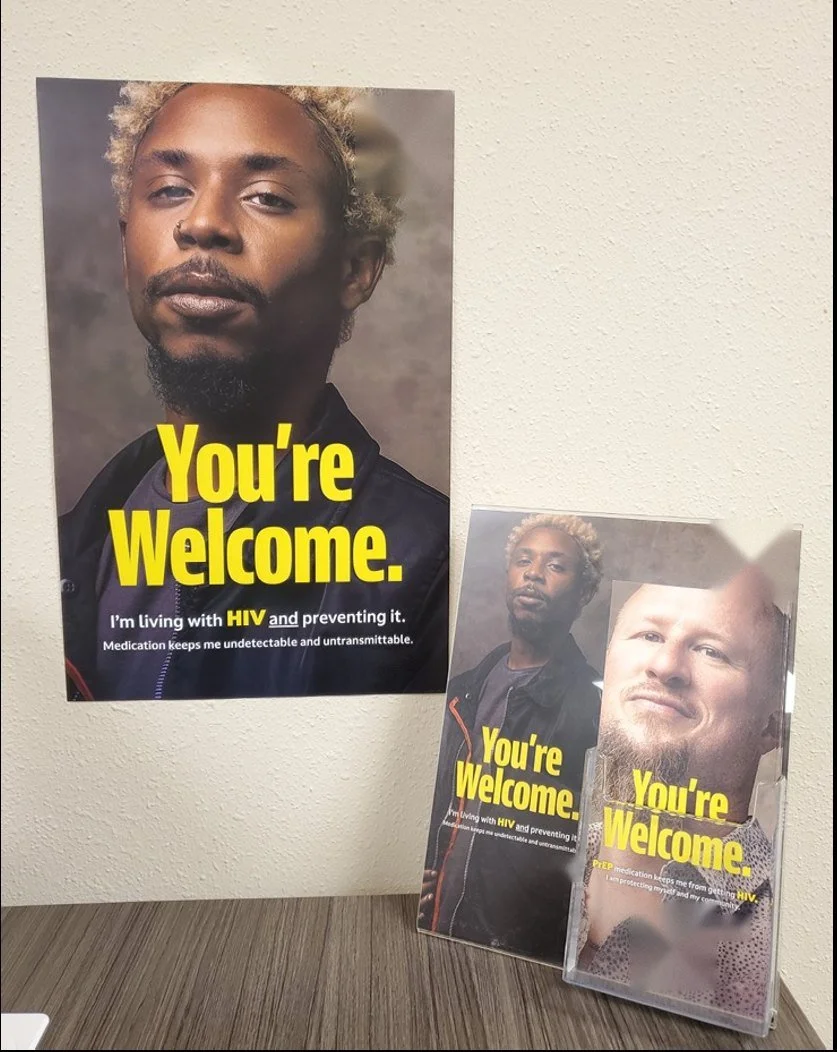
Pairing posters with coasters meant guests could see the message more than once in a single visit: in hand at the bar, and again on the wall.
Results
The campaign was contracted for 264 locations and installed 287. That's 23 bonus locations, about 109% of the contracted footprint, provided at no additional cost. Every market met or exceeded its contracted count, and 10 of the 17 markets received bonus locations.
| Market | Installed | Contracted |
|---|---|---|
| Atlanta | 10 | 10 |
| Baltimore | 12 | 10 |
| Boston | 12 | 10 |
| Chicago | 20 | 20 |
| Dallas | 12 | 10 |
| Houston | 12 | 10 |
| Los Angeles | 42 | 40 |
| Miami | 10 | 10 |
| Minneapolis | 10 | 10 |
| New Orleans | 12 | 10 |
| New York (Brooklyn, Queens, Bronx, Manhattan) | 23 | 18 |
| Palm Springs | 10 | 10 |
| Philadelphia | 23 | 23 |
| Phoenix | 13 | 10 |
| Portland | 12 | 10 |
| San Diego | 10 | 10 |
| San Francisco | 44 | 43 |
| Total | 287 | 264 |
Highlights included:
- 287 locations installed against 264 contracted.
- 23 bonus locations added at no additional cost.
- All 17 markets delivered in full, with bonus locations in 10.
- Two formats working together: posters and coasters.
- A photo proof-of-performance report, organized by market.
Why Place-Based Media Works for HIV Prevention Campaigns
LGBTQ+ bars, bathhouses, and saunas are trusted community spaces. Place-based media puts prevention messaging there, at eye level and within reach, in settings where people are relaxed and among their own community.
Unlike a digital ad that can be scrolled past or blocked, a poster on the wall or a coaster on the bar stays in place and is seen again and again. Repeated, respectful exposure in a familiar setting helps make HIV prevention an everyday topic, which is the goal of an awareness campaign.
Place-based media also works alongside the channels health brands already use, including digital, social, and point-of-care and pharmacy media. Together they can reach people both where they socialize and where they make health decisions.
Explore more ways to reach this audience on our LGBTQ+ audience page and in our guide to LGBTQ+ bar media, or browse more campaigns in our Case Studies library.
Why Health Brands Choose PlaceBased Media
- 500,000+ locations
- Alliance for Audited Media (AAM)-auditeddelivery
- Creative in English, Spanish + 15 more languages
- Fully managedfrom planning and placement to proof of performance
- Based in Minneapolis
From HIV prevention and sexual health to vaccination, mental health, and substance use prevention, we help health brands and public health agencies put their messages where people live, gather, and make health decisions.
Frequently Asked Questions
01How many locations did the PrEP awareness campaign reach?
The campaign was contracted for 264 locations and installed 287, including 23 bonus locations provided at no additional cost. That's about 109% of the contracted footprint, across 17 U.S. markets.
02Which venues and formats did the campaign use?
The campaign ran in LGBTQ+ bars, bathhouses, saunas, and other LGBTQ+ venues. Messaging appeared on posters and coasters, so guests could see it at the bar and again on the wall during a single visit.
03Why use place-based media for an HIV prevention campaign?
Place-based media reaches LGBTQ+ adults in trusted community spaces where they choose to spend time. The message stays in place and is seen repeatedly, in a familiar and stigma-free setting, and it works alongside digital, social, point-of-care, and pharmacy media.
04Can PlaceBased Media run an HIV prevention campaign for my brand or agency?
Yes. PlaceBased Media has a network of 500,000+ locations, with AAM-audited delivery, creative in English, Spanish, and 15 more languages, and fully managed campaigns.
Pair it with
Bars & restaurants
Screens, mirror clings, table tents and coasters.
Explore bars & restaurants →Multicultural
In-language, in-culture, in-neighborhood.
Explore multicultural →Urban panels
Eye-level street displays in dense neighborhoods.
Explore urban panels →DOOH
Digital screens across every venue type.
Explore DOOH →Public health
Campaigns for health departments and nonprofits.
Explore public health →See every media solution.
All media solutions →Planning a campaign? Start with our public health advertising overview, compare DOOH advertising screens, or browse every OOH and DOOH media solution.
Let's talk.
Planning an HIV prevention, sexual health, or LGBTQ+ health awareness campaign? We'll help you choose the right community venues, markets, and formats for your audience and budget. Looking for free or low-cost HIV testing near you? Visit CDC's GetTested locator.