Lottery Media Planning Guide - 2027
OOH & DOOH Advertising Strategies for State Lotteries
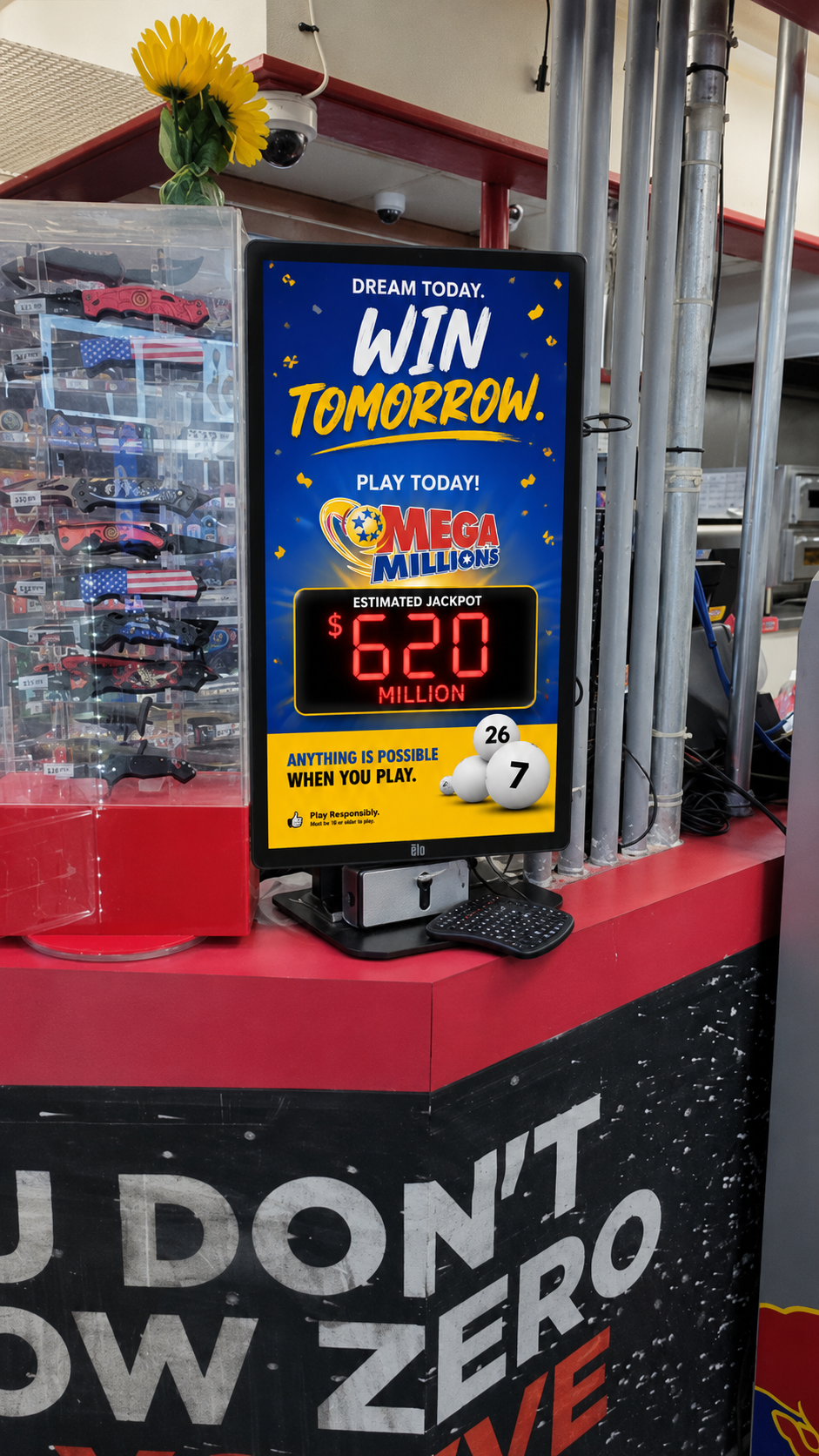
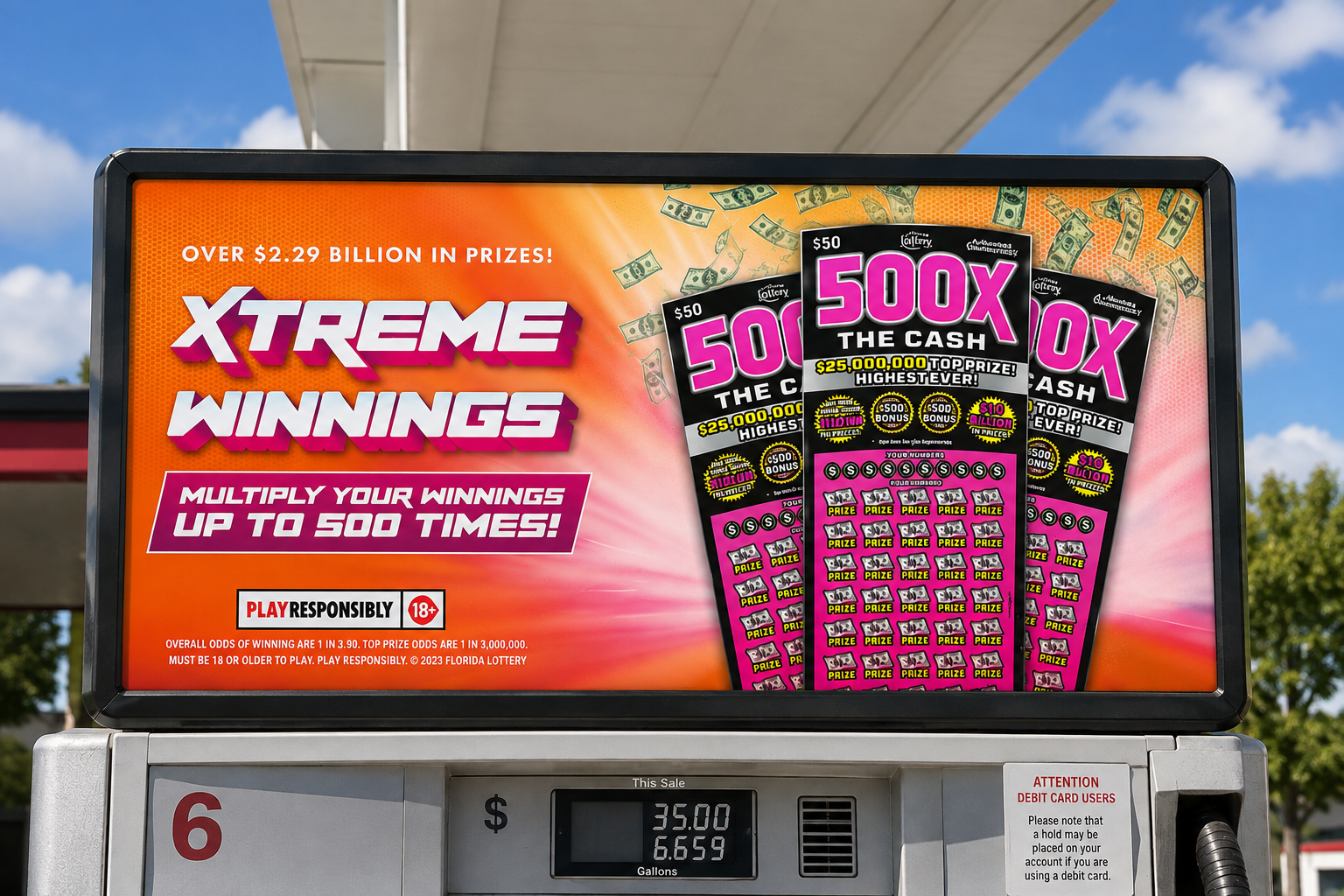
Common Lottery Advertising Objectives
The right media strategy depends heavily on what the lottery is trying to accomplish. Jackpot advertising, instant-game launches and long-term brand campaigns require different levels of flexibility, frequency and geographic coverage.
Jackpot Awareness
Generate rapid awareness as jackpots grow. Digital formats can be especially useful when messaging or campaign intensity needs to change quickly.
Scratch-Off & Instant Games
Support new game launches and seasonal promotions with sustained local visibility near retail and other high-frequency consumer environments.
Lottery Brand Awareness
Maintain a consistent presence between major jackpot cycles and individual game launches while reinforcing the overall lottery brand.
Retail & Purchase Consideration
Reach consumers during everyday routines and closer to locations where lottery products may be purchased.
Beneficiary & Impact Messaging
Communicate where lottery proceeds go and demonstrate the broader community impact of lottery-funded programs.
Responsible Gaming
Support player education and responsible gaming initiatives with dedicated messaging that can reach adult audiences across relevant environments.
How Much Should a Lottery OOH Campaign Cost?
Lottery OOH budgets vary significantly based on geography, campaign length, venue mix, number of locations, media format and impression goals. Instead of starting with a single CPM target, planners should first determine the level of geographic coverage and frequency needed to achieve the campaign objective.
| Planning Level | Typical Use | Example Strategy |
|---|---|---|
| Focused Market | One priority market or defined group of counties | Concentrated venue coverage around priority communities, retailers or population centers. |
| Multi-Market | Several major and secondary markets | Allocate budget according to market population, strategic importance and available inventory. |
| Statewide | Broad geographic coverage | Use a tiered market approach that combines major metros, secondary markets and targeted rural coverage. |
| Integrated Statewide | Large campaigns requiring multiple venue types | Combine static OOH, DOOH, retail environments and community-based placements to build statewide reach and frequency. |
Why CPM alone can be misleading
Two media options with similar CPMs can play very different roles. For lottery campaigns, proximity to retail, geographic precision, repeat exposure, venue relevance and the ability to reach communities outside major billboard corridors can be as important as the raw cost per thousand impressions.
How Long Should a Lottery Campaign Run?
There is no universal campaign length. Lottery marketers should align flight duration with the product, promotional window and amount of repetition required.
| Campaign Type | Planning Approach | Primary Consideration |
|---|---|---|
| Jackpot Campaign | Short, responsive flights | Prioritize media that allows fast deployment or creative flexibility as jackpot conditions change. |
| New Game Launch | Approximately 4–8+ weeks | Build enough frequency to introduce the game and reinforce awareness across routine consumer environments. |
| Scratch-Off Promotion | Approximately 4–12 weeks | Align campaign duration with product availability, seasonality and promotional priorities. |
| Brand / Beneficiary | Longer flights or recurring campaigns | Consistency and sustained exposure are generally more important than short bursts of awareness. |
| Responsible Gaming | Dedicated or recurring flights | Coordinate campaign timing with responsible gaming initiatives, seasonal priorities and regulatory requirements. |
Statewide vs. Market-Level Lottery Media Planning
A statewide campaign should not necessarily mean buying the same amount of media everywhere. Population density, retailer concentration, sales opportunity and available inventory can vary dramatically from one market to another.
Tier 1: Major Markets
Use broader location networks and multiple venue types to generate substantial reach and frequency in the state's largest population centers.
Tier 2: Secondary Markets
Build meaningful coverage in smaller cities and regional population centers that may receive less attention from traditional statewide media buys.
Tier 3: Rural Markets
Use targeted place-based inventory to reach communities where traditional OOH inventory may be limited or where statewide campaigns can otherwise lose geographic depth.
Think statewide coverage, not just statewide media.
A strong statewide plan considers where audiences actually live, shop and travel. Layering local place-based inventory onto major-market media can help reduce geographic gaps and create more balanced statewide delivery.
Lottery Media Planning Guide: OOH & DOOH Advertising Strategies
Lottery advertising is uniquely local. While television, radio, digital, social media and traditional out-of-home can generate broad awareness, lottery purchases often happen during everyday routines — at convenience stores, gas stations, grocery stores and other retail environments.
Place-based OOH and DOOH can help lottery marketers connect statewide awareness with local communities and purchase environments. This guide provides practical strategies for planning lottery campaigns across markets, venues and media formats.
How to Plan a Lottery OOH & DOOH Campaign
Effective lottery media planning starts with more than selecting media formats. Campaign objectives, geography, audience behavior, retailer presence, timing and proximity to purchase should all influence the media mix.
Define the Objective
Determine whether the campaign is designed to promote a jackpot, launch a new game, increase scratch-off awareness, strengthen the lottery brand, communicate beneficiary impact or support responsible gaming.
Prioritize Geography
Identify statewide needs as well as priority DMAs, counties, ZIP codes or communities based on population, retailer distribution, game participation, sales opportunity and campaign objectives.
Select the Right Venues
Match venue types to audience behavior and the purchase journey. High-frequency environments can reinforce broad-market advertising while reaching adults closer to retail and everyday purchasing occasions.
Build Frequency
Lottery campaigns often benefit from repeated exposure. Everyday destinations such as gas stations, grocery stores and neighborhood retail can create recurring opportunities to see campaign messaging.
Match Format to Timing
Static OOH can provide sustained visibility, while DOOH offers additional flexibility for changing messages, creative rotation, game launches and time-sensitive campaign priorities.
Plan Measurement Early
Define impressions, location delivery, proof-of-performance requirements and other reporting needs before launch so the campaign can be evaluated against clearly established goals.
Best OOH & DOOH Venues for Lottery Advertising
Lottery media does not need to stop at traditional billboards or lottery retail signage. Place-based media can extend campaign reach into high-frequency environments where adults shop, commute, socialize and complete everyday errands.
| Venue Type | Planning Role | Why It Matters |
|---|---|---|
| Gas Stations & Convenience Stores | Purchase-proximate awareness | Reaches adults in an environment closely associated with convenience purchases and repeat weekly traffic. |
| Grocery Stores | High-frequency shopper reach | Provides repeated exposure during routine shopping trips and can complement lottery messaging already present at retail. |
| Bars & Nightlife | Adult audience engagement | Reaches adults during social occasions in environments where longer dwell times can support memorable messaging. |
| Retail & Pharmacy | Everyday consumer reach | Extends campaigns into neighborhood retail environments with regular adult foot traffic. |
| Urban Digital Panels | Metro awareness | Builds street-level visibility in dense commercial areas and can provide flexible digital creative opportunities. |
| Community-Based Venues | Local market coverage | Helps fill geographic gaps and extend statewide campaigns beyond the largest metropolitan media markets. |
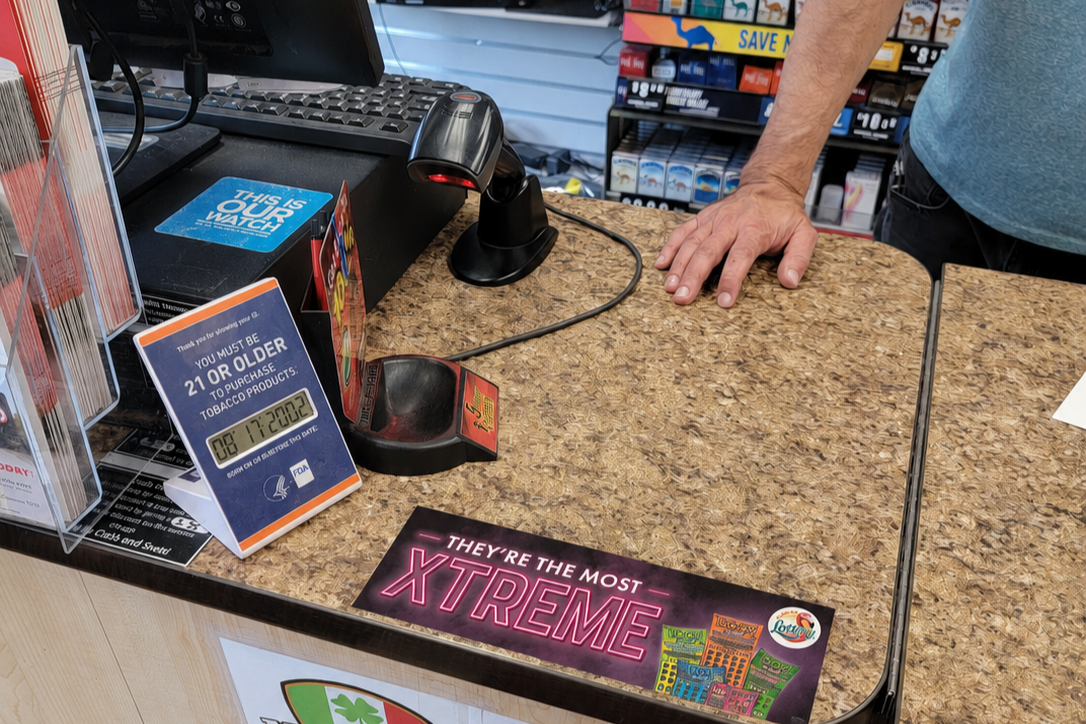
Retail POS and paid place-based media serve different roles.
Lottery-owned point-of-sale materials are critical at participating retailers. Place-based OOH can complement those assets by reaching consumers across additional venues and moments throughout the purchase journey — before they arrive at the lottery counter.
Why Place-Based Media Works for Lottery Campaigns
Place-based media can connect large-scale lottery advertising with the local environments consumers experience every day. It is particularly useful when campaigns require geographic precision, repeat exposure or coverage beyond traditional billboard corridors.
Closer to Purchase
Reach adults in convenience, grocery, retail and other environments that may occur within the same consumer journey as a lottery purchase.
Repeat Exposure
Everyday destinations can generate recurring campaign impressions as consumers return to the same businesses and neighborhoods throughout a campaign.
Local Precision
Build campaigns around states, markets, counties, ZIP codes and individual venue locations instead of relying exclusively on broad-market coverage.
Statewide Scalability
Combine inventory across major metros, secondary markets and smaller communities to support broad statewide initiatives.
Static + Digital Flexibility
Use static placements for sustained visibility and digital formats when creative rotation or faster messaging changes are important.
Extends Retail Marketing
Reinforce lottery-owned retail signage by reaching consumers elsewhere in their daily routines and earlier in the path to purchase.
Lottery OOH Creative Best Practices
Lottery advertising often competes for attention in busy environments. Effective OOH creative should communicate the central message quickly and remain understandable at a glance.
Lead With One Message
Jackpot amount, new game, core promotion or brand message should usually be the dominant visual takeaway rather than competing with multiple calls to action.
Design for the Environment
Creative viewed at a gas pump may allow more detail than street-level digital creative viewed while moving. Adapt layouts to expected dwell time and viewing distance.
Prioritize Readability
Use clear hierarchy, strong contrast and simple imagery so the message can be understood quickly.
Plan Creative Rotation
Digital campaigns can rotate games, promotional messages, beneficiary communications and other approved creative where the media format allows.
How to Measure a Lottery OOH Campaign
Measurement should reflect the campaign objective. Impressions provide an important delivery metric, but lottery marketers may also evaluate geographic coverage, proof of performance, retailer activity and changes in sales or participation where appropriate data is available.
| Metric | What It Helps Measure |
|---|---|
| Impressions | Estimated audience exposure delivered by the campaign. |
| Location Count | The scale and physical footprint of the campaign. |
| Geographic Coverage | Whether priority counties, ZIP codes, markets and communities received adequate representation. |
| Proof of Performance | Documentation that contracted placements were installed or displayed as planned. |
| Sales / Participation Trends | Where lottery data is available, marketers may compare campaign markets, time periods or retailer performance for directional insights. |
| Brand Lift or Awareness | For larger campaigns, research may evaluate changes in awareness, consideration or campaign recall. |
What to Include in a Lottery OOH Media Brief
Providing the following information at the beginning of planning can help media partners recommend the right market coverage, venue mix and campaign structure.
- Campaign objective
- Target audience
- Statewide or market-level geography
- Priority DMAs, counties or ZIP codes
- Campaign start and end dates
- Total media budget
- Preferred venue types
- Static vs. digital requirements
- Creative rotation needs
- Impression goals
- Reporting and proof requirements
- Responsible gaming or compliance requirements
Planning a Lottery Advertising Campaign?
PlaceBased Media helps lottery marketers and their agencies build targeted OOH and DOOH campaigns across gas stations, convenience stores, grocery and retail environments, nightlife venues, urban panels and community-based locations nationwide.
Request a Media Plan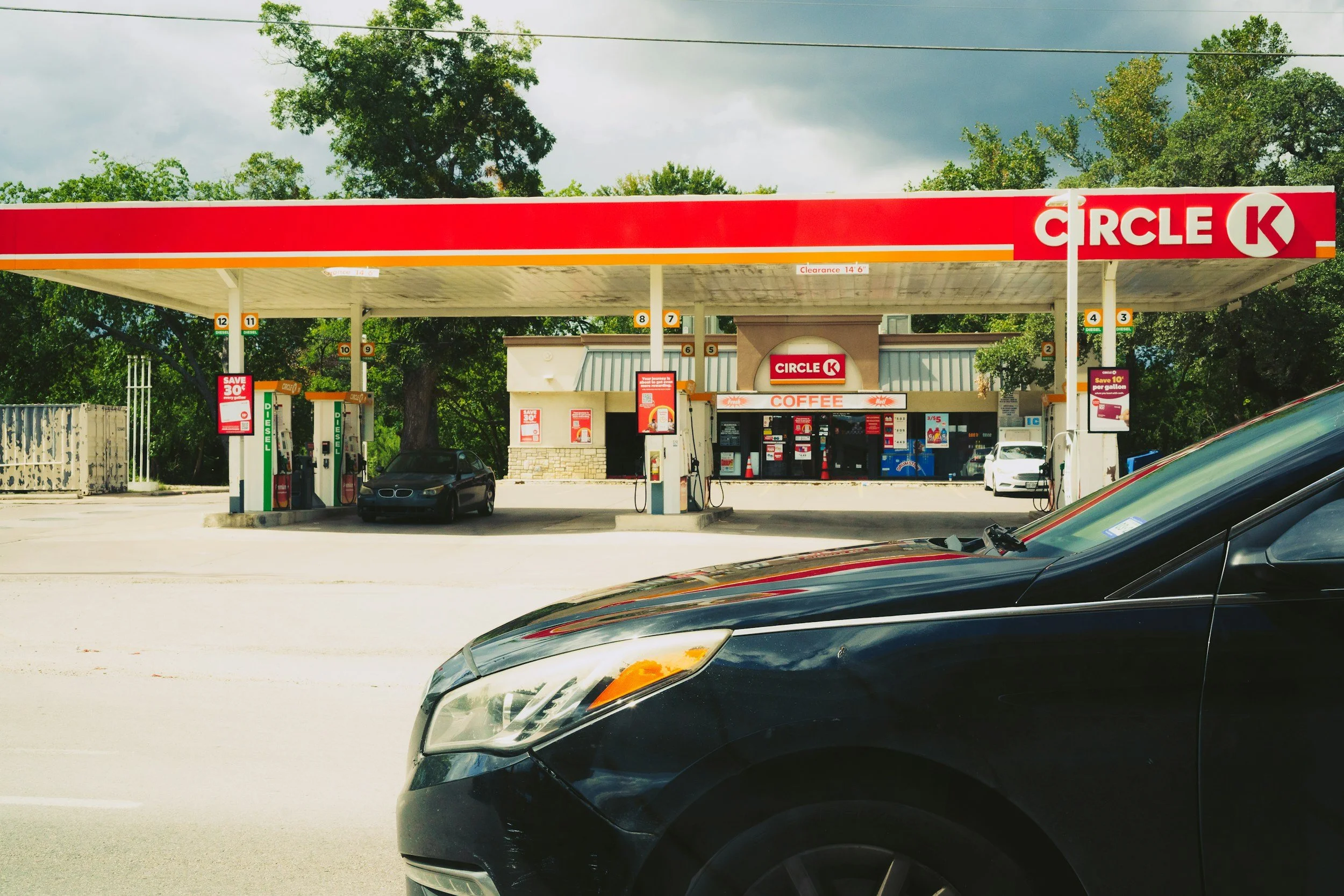
Let’s Work Together
Independent Verification. Greater Accountability.
PlaceBased Media uses independent auditing and proof-of-performance practices to strengthen campaign accountability. AAM recently featured our approach to verified campaign delivery, transparency and building advertiser trust.
Read the AAM Media Matters Feature