Teen Advertising & Youth Marketing: The Ultimate Guide
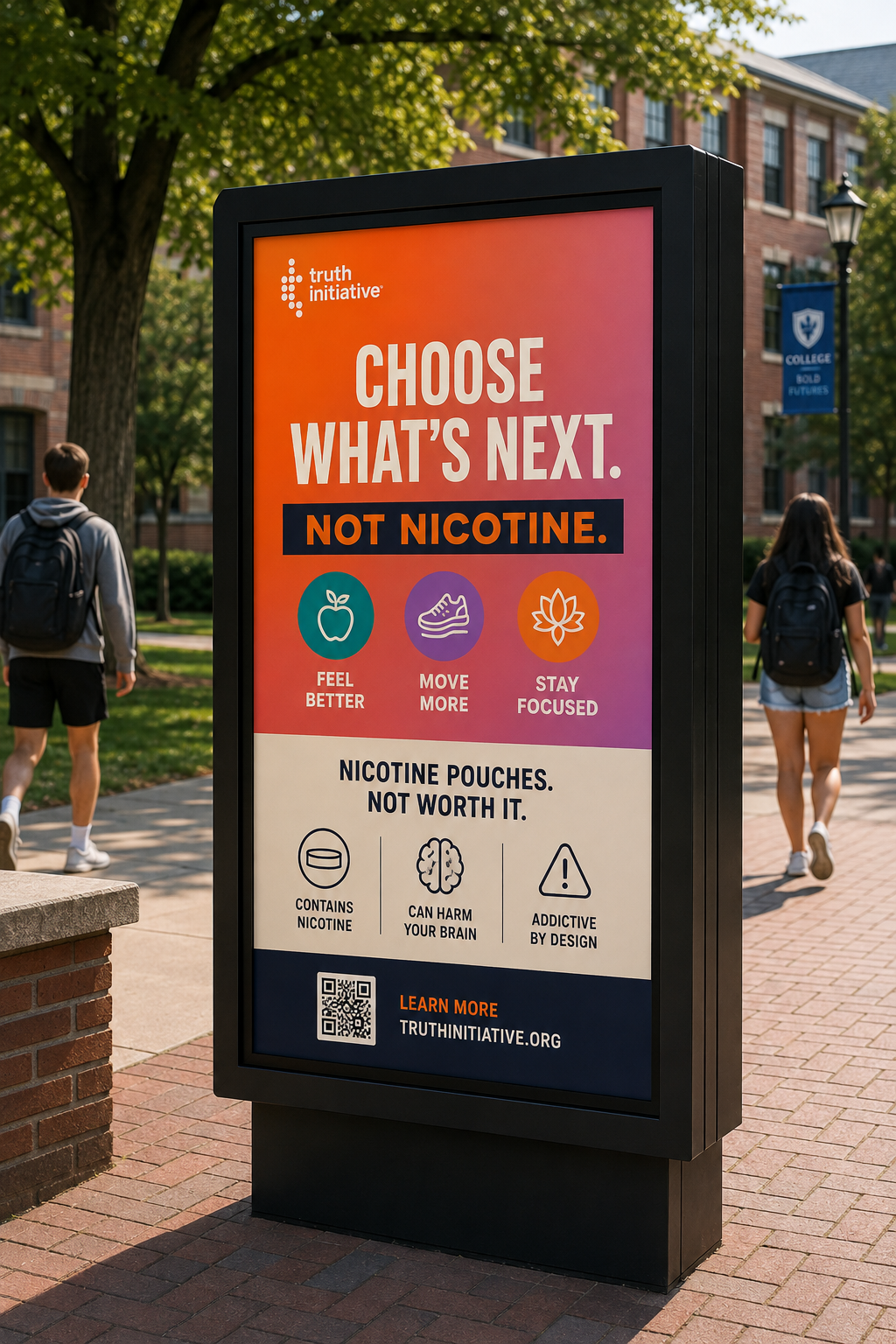
Teen advertising works best when organizations understand where young people spend time, what influences their decisions and how to communicate without sounding forced or inauthentic.
Reaching youth and Gen Z requires more than inserting advertisements into social-media feeds. Effective campaigns combine relevant creative with trusted real-world environments—including high schools, colleges, community centers, recreation facilities, libraries and other places young people learn, socialize and access support.
This guide explains how to plan youth and teen advertising campaigns using place-based out-of-home (OOH), digital out-of-home (DOOH), community media and complementary mobile strategies. It covers audience targeting, venue selection, creative development, public health applications, college recruitment, campaign measurement and the ethical considerations involved in advertising to younger audiences.
Organizations looking for available media can explore PlaceBased Media’s Youth & Teen Advertising Network or request targeted High School Advertising inventory.
Who Are Gen Z and Gen Alpha, Actually?
Most marketers casually use "Gen Z" as a synonym for "young people," but the precision matters because the generations behave differently and consume media differently.
Gen Z is roughly the cohort born between 1997 and 2012, putting today's Gen Z at ages 14 to 29. The teen segment of Gen Z (13–17) is in high school. The young adult segment (18–26) is in college, the workforce, or the military. Gen Z is the first generation that doesn't remember a world before smartphones; the older edge had iPhones in middle school, the younger edge had them in elementary school.
Gen Alpha is the cohort born from 2013 onward — today's roughly 0–13-year-olds. The leading edge of Gen Alpha is now in middle school, and they will be high school freshmen by 2027. Gen Alpha is the first generation born entirely into the algorithmic feed era. They were raised on YouTube, TikTok, and short-form video; many can navigate a tablet before they can read.
These two generations share more than they don't, but the differences shape media planning. Gen Z still has cultural memory of a pre-pandemic, pre-TikTok-monoculture internet. Gen Alpha doesn't. Gen Z developed brand affinities through Instagram and Snapchat. Gen Alpha is developing them through algorithmically-served short video and influencer ecosystems where the lines between content, ad, and product are deliberately blurred.

For a deeper segmentation framework — including how to think about life stage, ZIP code, and behavioral risk profile alongside generation — see our breakdown of high school advertising and our Gen Z marketing playbook for place-based OOH and DOOH.
Why Digital-Only Advertising Can Struggle to Reach Teens
Digital and social media remain important components of youth campaigns, but relying on them exclusively can create limitations. Teen audiences divide their attention across video, social media, gaming, streaming, messaging and other digital platforms. This fragmentation makes it difficult for any single channel to provide consistent reach and frequency.
Digital Advertising Competes for Attention
Social and mobile advertisements appear alongside entertainment, friends, influencers and an almost continuous stream of new content. Even well-designed creative can be quickly skipped or overlooked.Place-based media does not replace digital advertising. It provides an additional exposure layer in physical environments where the campaign can remain visible for longer periods.
Privacy Requirements Limit Certain Targeting Methods
Privacy protections for children and teenagers affect how advertisers can collect data, build audience segments and deliver personalized advertising.Campaigns involving younger audiences must account for applicable privacy requirements, platform policies and organizational standards. Place-based OOH can provide contextual audience targeting based on the environment—such as a high school, college campus or youth center—without requiring personal information about individual students.
Digital Access and Usage Are Not Uniform
Young people do not all have the same access to devices, broadband, social platforms or paid subscriptions. Digital-only strategies may therefore reach certain youth audiences more consistently than others.Schools, libraries, community centers, recreation facilities and healthcare environments can help campaigns reach young people across different socioeconomic, geographic and technological circumstances.
Physical and Digital Media Can Work Together
The strongest youth campaigns often coordinate multiple channels instead of treating OOH and digital advertising as competing strategies.Place-based media can establish awareness and repeated visibility in real-world environments. Search, social media, websites, QR codes and other approved digital channels can then provide additional information or a measurable next step.For organizations looking to reach young people across trusted physical environments, explore PlaceBased Media’s Youth & Teen Advertising Network.
Why Place-Based OOH Works for Teens
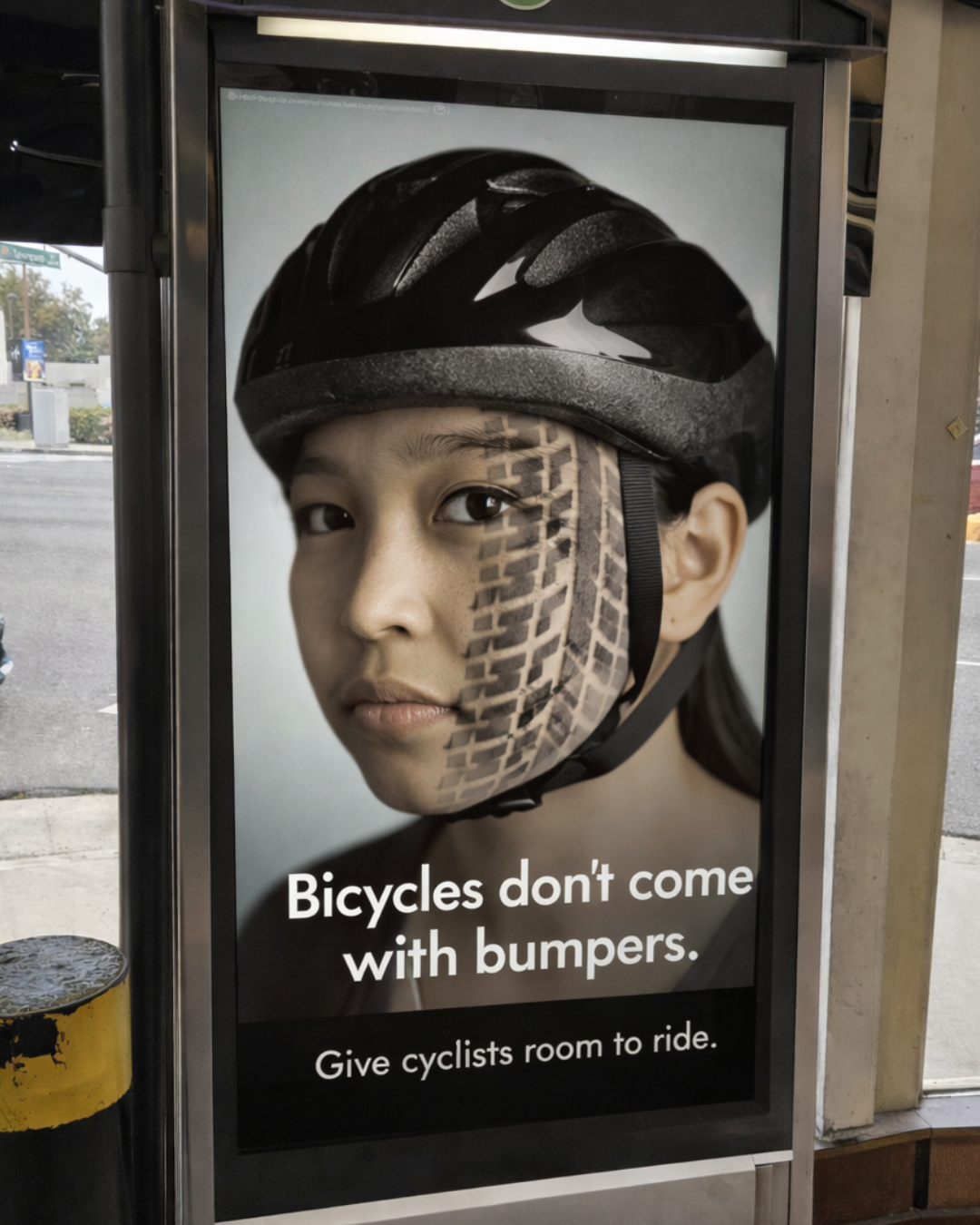
Place-based out-of-home advertising reaches young people through media positioned in specific physical environments, such as schools, colleges, community centers, recreation facilities and other everyday destinations.
For youth campaigns, the venue itself becomes part of the targeting strategy. Advertisers select environments based on who visits them, how the location relates to the campaign and where the message is most likely to feel relevant.
Context Makes the Message More Relevant
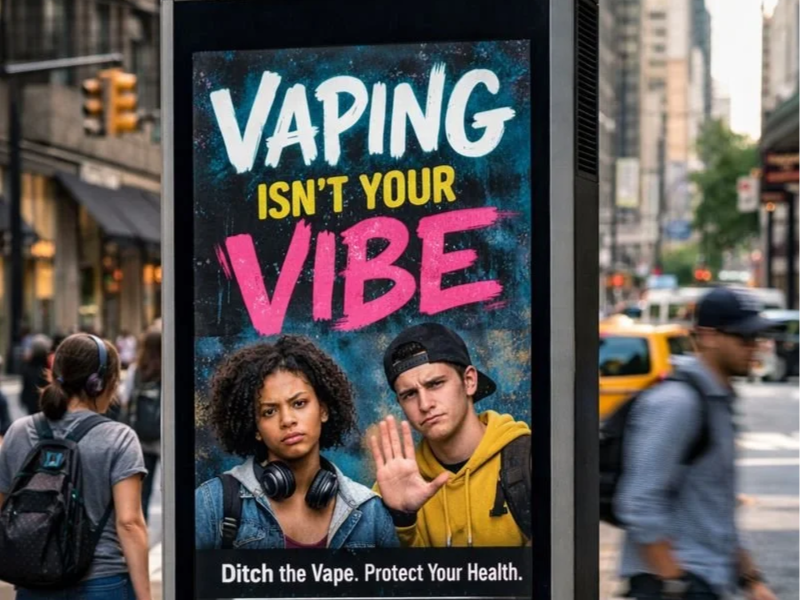
A youth vaping-prevention message displayed inside a high school connects the information with the audience and setting it was designed to serve. A college-recruitment advertisement inside a school reaches students while they are actively considering their next steps. A mental-health resource inside a community center or campus environment places support information within a familiar setting.
This contextual relationship can make the campaign feel more purposeful than advertising delivered without regard to the audience’s current environment.
Repeated Exposure Builds Familiarity
Students frequently return to the same schools, campuses and community locations throughout a campaign. Posters, digital screens and other place-based formats can therefore provide repeated visibility over an extended period.
This sustained presence helps reinforce important messages without requiring someone to click an advertisement or follow an organization online.
Venue Selection Provides Audience Targeting
Place-based campaigns target audiences through the environments included in the media plan.
A high school provides access to teenagers, educators and parents. A college campus reaches students and young adults. A recreation center may reach youth, families, coaches and community members. Locations can then be prioritized using geography, demographics, language, education data or public health indicators.
This approach does not require advertisers to identify or collect personal information about individual students.
OOH Supports a Broader Campaign Strategy
Place-based OOH works best as part of an integrated campaign. Physical media can establish awareness and repeated visibility, while approved digital channels, websites, QR codes, phone numbers and community outreach provide additional information or a measurable next step.
Organizations looking for available school and community inventory can explore PlaceBased Media’s Youth & Teen Advertising Network.
High School OOH: Formats and Best Practices
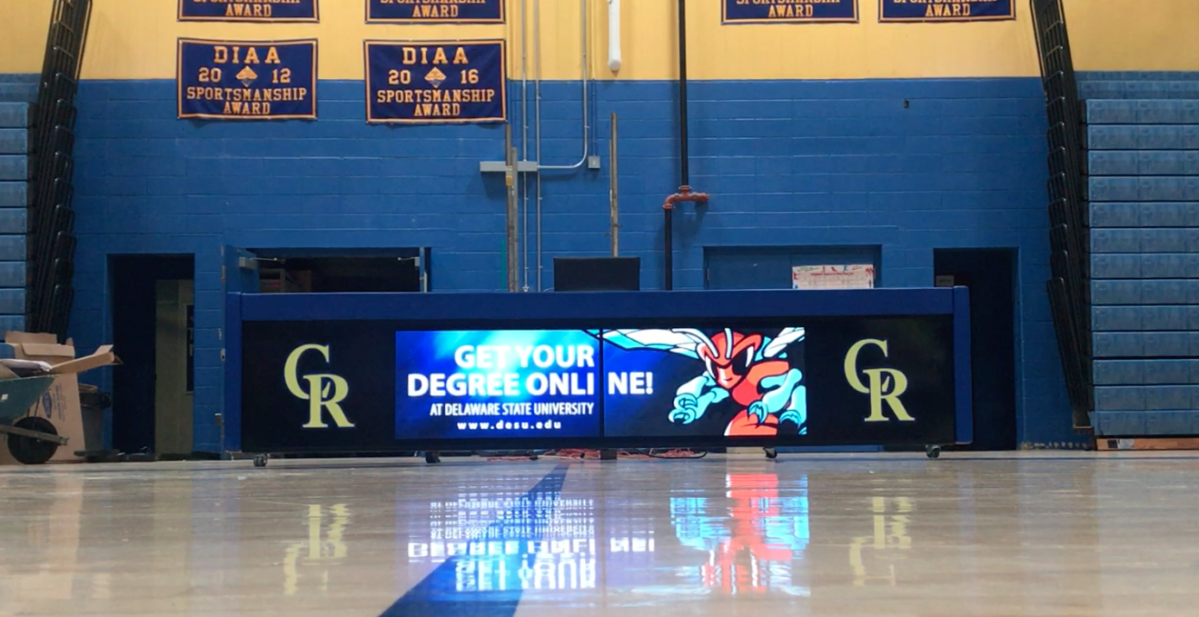
High school advertising reaches teens within an environment they visit throughout the school week. Available inventory and creative requirements vary by school, district, market and participating media network.
Available High School Advertising Formats
Depending on the participating schools, campaign options may include:
Indoor posters
Digital screens
Gym and athletic signage
Banners
Standees
Window clings
Take-one educational materials
Other school-approved formats
Not every format is available in every market. PlaceBased Media develops customized recommendations based on the campaign’s target geography, audience, budget and objectives.
Explore the nationwide High School Advertising Network.
Creative Best Practices for High School Advertising
Effective school-based creative should:
Communicate one clear message and call to action
Use an age-appropriate and authentic tone
Avoid forced slang or messaging that feels overly promotional
Remain readable from the expected viewing distance
Reflect the diversity, language and culture of the community
Include a QR code, short URL or phone number when appropriate and permitted
Allow sufficient time for school or district review and approval
All creative is subject to the policies and approval requirements of participating schools and districts.
Campaigns Suited to High School Media
High school advertising can support campaigns focused on:
Mental health and 988 awareness
Vaping and tobacco prevention
Fentanyl and substance-use education
Safe and responsible driving
College recruitment and scholarships
Workforce, career and military recruitment
Community programs and youth services
School placements can also be combined with community centers, libraries, healthcare locations, colleges and other youth-oriented environments to extend campaign reach beyond the school day.
Learn more about the broader Youth and Teen Advertising Network or view the Youth 988 Awareness Campaign case study.
College Campus Advertising
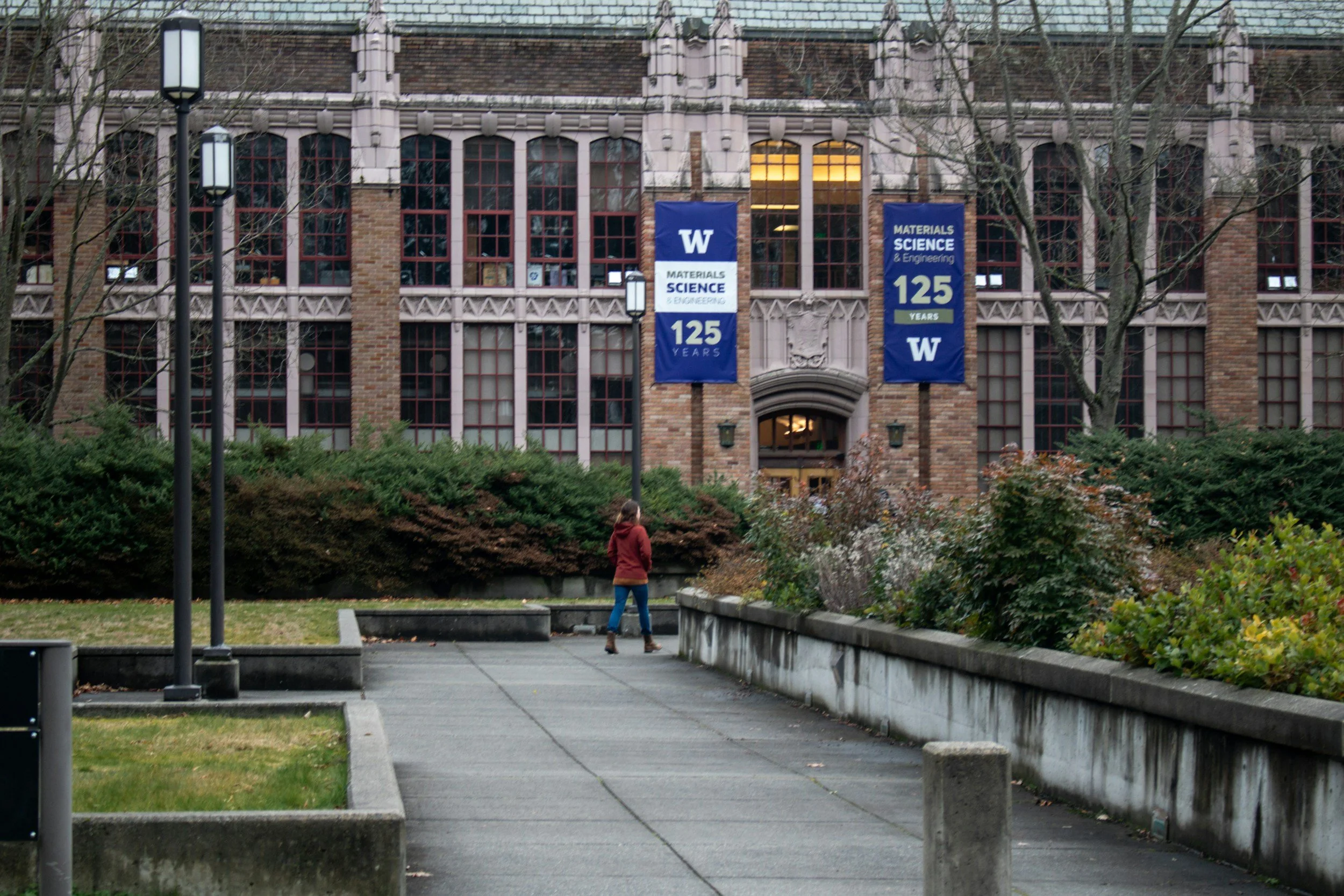
College campus advertising reaches Gen Z students and young adults within the environments where they study, live, exercise, dine and socialize.
Campus media can support public health education, college services, graduate-program recruitment, workforce initiatives and approved consumer campaigns. Inventory and creative requirements vary by campus, market and participating network.
Available College Advertising Environments
Depending on the campus and market, placements may be available across:
Student unions and dining areas
Academic buildings and libraries
Recreation centers and athletic facilities
Residence-life environments
Campus bookstores
Digital-screen networks
Campus transit and parking areas
Coffee shops, restaurants and other nearby student destinations
Not every campus offers every placement. Media plans should be developed around the specific schools, geography, audience and campaign objectives rather than assuming one standard campus-media package.
Explore College and University Advertising.
Creative Best Practices for College Campaigns
Effective college advertising should:
Lead with a clear benefit, resource or call to action
Use concise language that students can understand quickly
Reflect the culture and diversity of the campus community
Avoid forced slang or overly promotional messaging
Include a QR code, short URL or other accessible response mechanism when appropriate
Coordinate creative versions by school, market, language or audience when needed
Follow the approval requirements of participating campuses and media networks
Campus placements can also be combined with high schools, community centers, libraries, healthcare locations, bars, restaurants and other nearby environments to reach young adults throughout their daily routines.
For recruitment campaigns, learn more about how colleges and universities can use OOH advertising in high schools.

Combining Place-Based OOH With Digital Media
Youth campaigns do not need to choose between physical and digital media. Place-based OOH can establish visibility within relevant community environments, while search, social, video and other digital channels provide additional opportunities for engagement.
Depending on the audience and campaign, digital extensions may include:
Paid search
Social and video advertising
Contextual digital advertising
Campaign landing pages
QR codes and short URLs
Connected TV
Mobile advertising directed toward eligible adult audiences
Any digital targeting associated with schools, youth venues or audiences under 18 requires careful attention to platform policies, privacy requirements and the campaign’s intended audience.
Campaign planners should avoid invasive targeting practices and should not assume that device-level retargeting is appropriate simply because a person visited a school or youth-oriented location. For some campaigns, broader geographic, contextual or adult-audience targeting may provide a more appropriate digital extension.
The goal is to create a coordinated campaign in which each channel has a defined role: place-based media builds community visibility, while approved digital channels help audiences find additional information, services or resources.
Read more about combining place-based OOH with mobile and digital media.
Youth Advertising Use Cases
Youth advertising strategies should reflect the campaign’s objective, the intended age group, and the environments in which the audience can be appropriately reached.
Public Health and Prevention Campaigns
Government agencies, health departments and nonprofits can use youth-focused media to address:
Mental health and 988 awareness
Suicide prevention
Vaping and tobacco prevention
Fentanyl and counterfeit-pill awareness
Alcohol, cannabis and substance-use education
Safe-driving and traffic-safety initiatives
Sexual health and STI prevention
Vaccination and preventive care
Community health resources
These campaigns can combine high schools, colleges, community centers, libraries, healthcare environments and other appropriate community locations.
Explore our Public Health Campaign Advertising Guide and Youth 988 Awareness Campaign case study.
College, Career and Workforce Recruitment
Educational institutions and workforce organizations can reach prospective students and young adults with information about:
College and university enrollment
Community and technical colleges
Scholarships and financial aid
Trade and apprenticeship programs
Career training
Employment opportunities
Military recruitment
High-school placements can create visibility in priority recruitment markets, while college and community media can reach young adults considering their next educational or career step.
Youth Programs and Community Services
Place-based advertising can help promote:
Recreation and after-school programs
Tutoring and educational support
Youth employment initiatives
Mentoring programs
Community events
Crisis and social-service resources
Community centers, libraries, schools and youth-serving organizations can provide relevant environments for these messages.
Approved Brand and Social-Impact Campaigns
Approved brands may use youth and young-adult advertising to support relevant products, services or social-impact initiatives.
Suitability depends on the audience’s age, campaign content, venue policies and applicable creative requirements. Campaigns intended for minors require particular care regarding message appropriateness, offers, data collection and calls to action.
Reaching Parents and Caregivers
Some youth campaigns also need to reach the adults who influence access to healthcare, education, transportation and community services.
Parents and caregivers may be reached through:
Pediatric and family healthcare environments
Pharmacies
Grocery stores
Community centers and libraries
School-related environments
Other family-oriented community locations
Campaigns can use separate creative and placement strategies for young people and adults rather than expecting one message to serve both audiences.

What Strong Youth Advertising Campaigns Have in Common
Effective youth campaigns are built around a clearly defined audience, objective and response rather than simply selecting locations where young people may be present.
A Clearly Defined Audience
“Teenagers” and “Gen Z” are broad categories. Campaign planners should identify the intended age group, geography, language, community characteristics and life stage before selecting media.
Relevant Environments
Placements should reflect the campaign objective. A college-recruitment message may be appropriate inside a high school, while a vaccination or mental-health campaign may benefit from schools, healthcare locations, libraries and community centers.
Age-Appropriate Creative
Messaging should be understandable, respectful and appropriate for the audience’s age. Effective creative communicates one primary idea without relying on forced slang, stereotypes or assumptions about young people.
Meaningful Campaign Frequency
Schools, campuses and community environments can provide repeated exposure because young people return to them regularly. Campaign length and placement quantity should be planned around the desired reach, frequency and available budget.
A Clear Next Step
Campaigns should tell the audience what to do next. Depending on the objective, that may include visiting a website, scanning a QR code, calling or texting a resource, registering for a program or speaking with a trusted adult.
Coordinated Creative Versions
Campaigns may require different versions by age group, language, market, venue or audience. A message intended for students may not be the right message for parents, educators or healthcare professionals.
Measurement Planned in Advance
The measurement approach should be identified before the campaign launches. Depending on the media network and objective, reporting may include final location lists, proof-of-posting photography, estimated impressions, digital delivery, QR-code activity, website traffic, calls, registrations or other response indicators.
Common Youth Advertising Mistakes
Treating Young People as One Audience
Middle-school students, high-school students and college students have different needs, responsibilities and media habits. Campaigns should define the intended age group and life stage rather than treating all young people as one audience.
Relying on One Media Channel
Social media can support youth outreach, but it should not automatically carry the entire campaign. Combining appropriate digital channels with schools, campuses and community environments can create broader and more consistent visibility.
Using Inauthentic Creative
Young audiences quickly recognize messaging that feels forced or disconnected from their experiences. Creative should be direct and respectful without relying on unnecessary slang, stereotypes or trends.
Including Too Many Messages
Posters and digital screens must communicate quickly. Trying to include several objectives, lengthy explanations and multiple calls to action can make the primary message difficult to understand.
Ignoring Community Differences
Language, culture, geography, school environment and access to services can affect how young people receive a campaign. Creative and placement strategies should be adapted when meaningful differences exist between communities.
Overlooking Venue Requirements
Schools, campuses and youth-serving organizations may have different approval processes, prohibited categories and production specifications. Campaign timelines should allow sufficient time for creative review and placement coordination.
Waiting Until the End to Plan Measurement
Measurement capabilities vary by network and format. Advertisers should define the desired outcome and available reporting before locations and media formats are finalized.Ready to Plan Your Next Youth Campaign?
PlaceBased Media operates one of the largest youth-targeted place-based media networks in the country, with active inventory in high schools, colleges, community venues, and the gathering points that reach teens and young adults where digital can't. From vaping prevention to college recruitment to brand cultural work, the venue network and the measurement infrastructure are already in place.
How Are Youth Advertising Campaigns Measured?
Youth campaign measurement depends on the objective, media format, participating network and data available to the advertiser.
Campaign Delivery and Verification
Reporting may include:
Final location lists
Placement details
Proof-of-posting photography
Campaign dates
Estimated impressions
Digital-screen delivery reports
Third-party verification where available
These measures help confirm where and when the campaign ran.
Audience Response
When the campaign includes an appropriate response mechanism, advertisers may also evaluate:
QR-code scans
Website visits
Landing-page activity
Calls or texts to campaign resources
Program registrations
Event attendance
Information requests
Applications or enrollment inquiries
Response data should be interpreted alongside campaign reach, timing and other media activity.
Awareness and Attitude Research
Larger campaigns may use pre-campaign and post-campaign surveys, brand-lift research, awareness studies or community feedback to evaluate whether the intended audience noticed and understood the message.
Program and Public Health Outcomes
Public health, education and community-service campaigns may also examine changes in service utilization, enrollment, knowledge, attitudes or behavior.
These outcomes are typically measured by the sponsoring organization and may be influenced by many factors beyond advertising. Media reporting should therefore distinguish between verified campaign delivery, audience response and broader program outcomes.
The appropriate measurement plan should be established before the campaign begins so that creative, placements and reporting align with the desired outcome.
Key Takeaways
Youth and teen advertising should be planned around a specific age group, geography, community and campaign objective—not a broad generational label alone.
Place-based OOH and DOOH can reach young people in high schools, colleges, community centers, libraries, healthcare environments and other relevant locations.
High-school and college inventory varies by market and participating institution. Media plans should reflect actual availability and approval requirements.
Place-based advertising can complement search, social, video and other digital channels by creating visibility within the physical communities included in the campaign.
Creative should be concise, age-appropriate, culturally relevant and focused on one primary message and call to action.
Public health, college recruitment, workforce development and community-service campaigns are strong applications for youth-focused media.
Parents, educators, counselors, coaches and healthcare professionals may require separate placements and creative strategies.
Measurement should be planned before launch and should distinguish campaign delivery, audience response and broader program outcomes.
Every campaign must follow the creative, privacy and placement requirements of the participating venues and media networks.
Request a Youth Advertising Media Plan
PlaceBased Media develops customized youth and teen advertising campaigns across high schools, colleges, community centers, libraries, healthcare environments and other relevant community locations.
Tell us:
Who you need to reach
Where the campaign needs to run
Your campaign dates
Your approximate budget
The message or action you want to promote
Any language, venue or reporting requirements
Our team will review available inventory and recommend an appropriate combination of markets, locations and media formats.