Government Health Initiatives: Reaching Communities Through Strategic Place-Based Media
Government health initiatives represent one of the most powerful tools we have to improve population health, prevent disease, and reduce health disparities across communities. From combating infectious diseases to addressing chronic conditions and promoting mental wellness, these programs save lives and improve quality of life for millions of Americans. However, the success of any government health initiative ultimately depends on one critical factor: effectively reaching and engaging the communities that need these services most.
In an era of information overload and fragmented media consumption, government health agencies face a fundamental challenge: how do you ensure vital health information reaches diverse populations, particularly those facing barriers to healthcare access? The answer increasingly lies in strategic place-based media — delivering health education directly where people live, work, learn, and gather.
Understanding Government Health Initiatives
Government health initiatives encompass the organized efforts of federal, state, and local agencies to protect and improve public health. As detailed in our comprehensive guide on what public health really means, these programs focus on prevention, education, and community empowerment rather than just treating illness after it occurs.
Major government health initiatives typically address:
Infectious Disease Prevention and Control: Programs targeting HIV/AIDS prevention, sexually transmitted infections, tuberculosis, and emerging diseases. These initiatives combine testing, treatment access, education, and prevention strategies to reduce transmission and improve outcomes for affected populations.
Chronic Disease Management: Addressing conditions like diabetes, heart disease, and cancer through early detection, lifestyle intervention programs, and improving access to preventive care. These initiatives recognize that many chronic conditions are preventable or manageable with proper education and resources.
Mental Health and Substance Use: Expanding access to mental health services, promoting awareness, reducing stigma, and addressing the opioid crisis and other substance use disorders. The recent 988 Suicide & Crisis Lifeline represents a significant federal investment in making mental health support more accessible.
Maternal and Child Health: Supporting healthy pregnancies, infant health, childhood immunizations, and early development programs. These initiatives like the Women, Infants, and Children (WIC) program provide critical nutrition and health support to vulnerable families.
Tobacco Control and Prevention: Implementing smoke-free policies, conducting cessation programs, and educating the public about tobacco's health risks through comprehensive campaigns that have successfully reduced smoking rates from 42% in 1965 to less than 12% today.
Injury Prevention and Safety: Promoting seatbelt use, preventing impaired driving, reducing gun violence, and addressing other preventable injuries that claim thousands of lives annually.
Health Equity Initiatives: Addressing social determinants of health and reducing disparities among racial and ethnic minorities, low-income populations, rural communities, and other underserved groups who face disproportionate health challenges.
The Evolution of Government Health Communication
Government health agencies have traditionally relied on mass media channels — television, radio, print newspapers — to disseminate public health messages. While these channels achieved broad reach, they often failed to effectively engage specific populations, particularly those facing the greatest health challenges.
Consider the limitations:
Limited Targeting: Broadcast media reaches everyone but may not resonate with specific communities or populations at highest risk
Passive Consumption: Messages are easily ignored or forgotten when people aren't actively seeking health information
Digital Divides: Online campaigns miss communities with limited internet access, older adults less comfortable with digital media, and individuals managing multiple jobs without time for online research
Trust Deficits: Some communities, particularly those historically marginalized by healthcare systems, may distrust messages from government sources
A new approach has emerged that addresses these challenges: place-based out-of-home (OOH) and digital-out-of-home (DOOH) media. This strategy delivers health education in the trusted community spaces where people already spend time, creating opportunities for meaningful engagement at the point of influence.
Why Place-Based Media Works for Government Health Initiatives
Place-based media offers government health agencies several distinct advantages that align perfectly with public health goals. At PlaceBased Media, we've seen firsthand how strategic venue-based campaigns create measurable impact for federal, state, and local health initiatives.
Meeting People Where They Are
The fundamental principle of effective public health is meeting people where they are — both physically and mentally. Place-based networks deliver messages in the everyday environments where target populations naturally congregate:
Healthcare Settings: Clinics, community health centers, pharmacies, and doctors' offices reach patients when they're already thinking about their health and most receptive to medical information
Schools and Universities: Educational institutions provide access to youth and young adults during critical developmental periods when health behaviors are being established
Community Centers: Neighborhood hubs, senior centers, recreation facilities, and faith-based organizations serve as trusted gathering places within communities
Retail Environments: Convenience stores, gas stations, and grocery stores reach diverse populations during routine daily activities
Our recent expansion of point-of-care advertising inventory across U.S. clinic networks enables public health agencies to reach patients in medical environments where credibility and engagement are highest.
Building Credibility Through Context
Research from Edison demonstrates that 60% of people find health messages more believable when seen in a doctor's office compared to television advertising. This "venue credibility effect" is powerful: health information displayed in healthcare settings, schools, or community centers benefits from the institutional trust associated with these locations.
When a diabetes prevention message appears in a pharmacy, it carries implicit endorsement from the healthcare establishment. When sexual health information is displayed in a college health center, students understand that campus health professionals support this education. The venue itself validates the message.
Reaching Populations Facing Health Disparities
Government health initiatives increasingly prioritize health equity — ensuring everyone has the opportunity to be healthy regardless of race, income, zip code, or background. Yet traditional media channels often miss the communities facing the greatest health challenges.
Place-based networks strategically deployed in underserved communities can reach populations that other channels miss:
Communities with limited internet access who can't engage with digital health resources
Families experiencing poverty who may lack healthcare access outside of emergency situations
Immigrant communities who need culturally relevant, multilingual health information
Rural populations who face geographic barriers to healthcare services
Individuals experiencing homelessness who lack consistent access to media
Our expertise in multicultural marketing enables us to deliver culturally tailored health messages to diverse populations, including African American, Hispanic/Latinx, Asian American, LGBTQ+, and other communities disproportionately affected by health disparities.
Extended Exposure Enables Learning
Unlike a three-second billboard glimpse or a 30-second television spot, place-based media reaches people in environments where they have dwell time — waiting rooms, school hallways, community spaces. This extended exposure allows for more comprehensive health education:
Detailed information about symptoms, screening recommendations, and treatment options
QR codes linking to appointment scheduling, telehealth services, or resource directories
Step-by-step instructions for accessing programs or benefits
Multiple related messages that build on each other over time
Contextual Relevance Drives Action
Place-based media creates powerful "teachable moments" by delivering information at points of decision:
Nutrition information in convenience stores when someone is choosing between soda and water
Mental health resources in school hallways when students are navigating social pressures
Tobacco cessation support at gas stations where cigarettes are sold
Sexual health education at pharmacies where protection is available
This contextual alignment makes messages more relevant, memorable, and actionable.
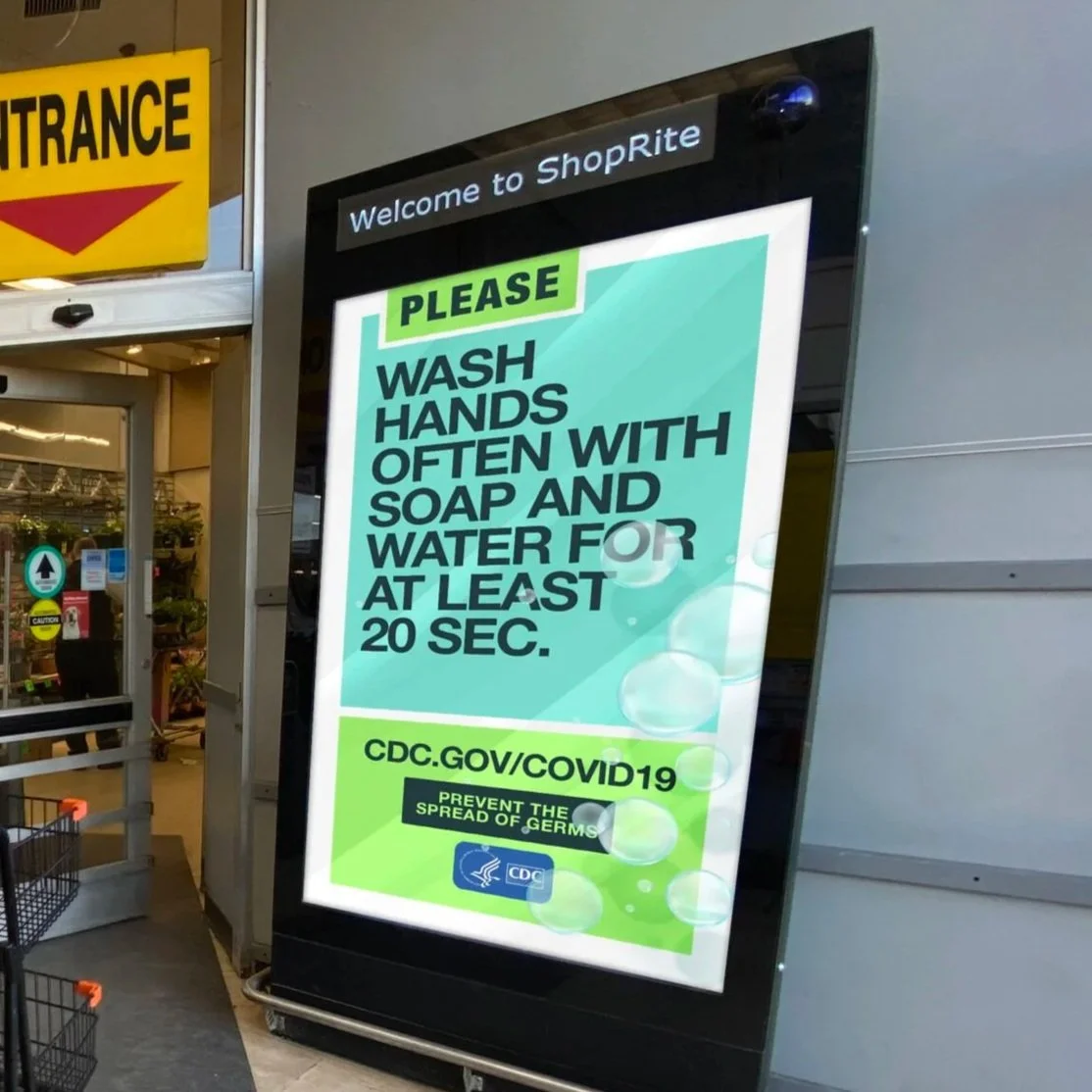
Key Government Health Initiatives and Place-Based Strategies
Let's examine how place-based media supports specific government health priorities:
HIV/AIDS Prevention and Care
Despite decades of progress, approximately 1.2 million Americans live with HIV, and significant disparities persist. Federal initiatives like "Ending the HIV Epidemic" aim to reduce new HIV infections by 90% through prevention, testing, treatment, and outbreak response.
Place-based media supports these goals by:
Promoting PrEP (pre-exposure prophylaxis) awareness in venues serving populations at elevated risk
Encouraging routine HIV testing through messages in healthcare settings and community centers
Reducing stigma through educational campaigns in diverse community spaces
Connecting people to care through clear information about local resources and services
Our place-based health education networks deliver these messages in clinic waiting rooms, pharmacies, community centers, and other trusted venues where engagement is highest.
Substance Use Prevention and Treatment
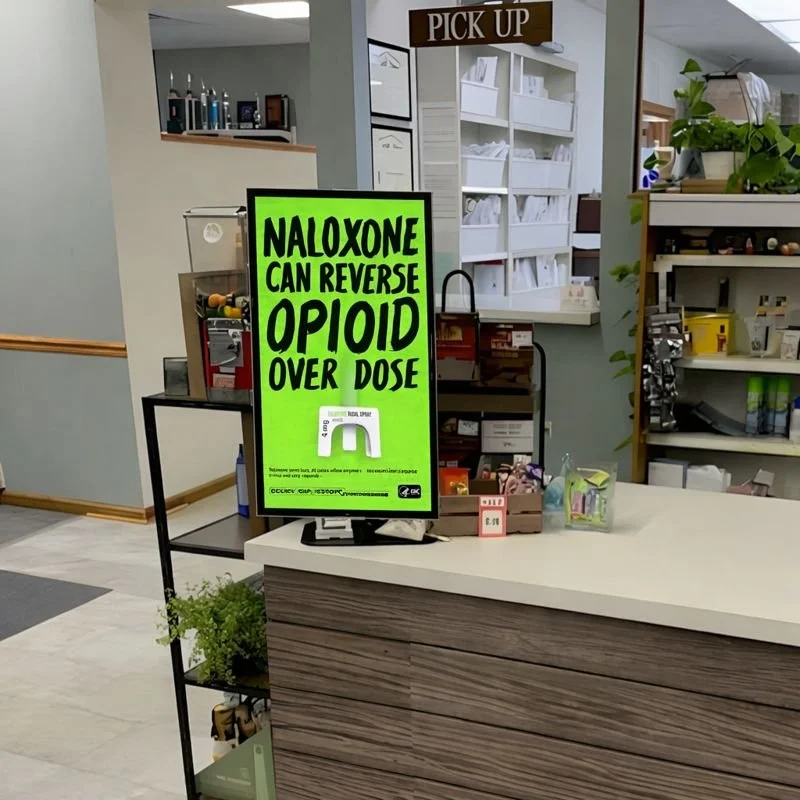
The opioid crisis and broader substance use challenges require comprehensive prevention and treatment strategies. Government initiatives combine prescription drug monitoring, access to medication-assisted treatment, naloxone distribution, and public education.
Place-based campaigns reach at-risk populations through:
Youth prevention messages in high schools addressing vaping, alcohol, and drug use
Information about treatment resources and recovery support in healthcare settings
Naloxone awareness and overdose prevention education in pharmacies and community centers
Family education about prescription drug safety in pediatric clinics
These place-based approaches complement broader media efforts while reaching specific communities most affected by substance use challenges.
Maternal and Child Health
Programs like WIC, prenatal care initiatives, and childhood immunization campaigns aim to give every child a healthy start. Place-based media supports these goals through:
Prenatal education in OB-GYN clinics and community health centers
Nutrition guidance for families with young children in WIC offices and pediatric practices
Immunization reminders in healthcare settings and childcare facilities
Parenting resources and developmental milestone information in family service centers
Our specialized marketing to parents, women, and children combines strategic venue selection with messaging designed to reach families at critical decision points.
Mental Health Awareness and Crisis Response

Mental health initiatives have expanded dramatically, recognizing mental wellness as essential to overall health. The 988 Suicide & Crisis Lifeline represents a major federal investment in accessible crisis support.
Place-based media amplifies these efforts:
Promoting 988 awareness in schools, workplaces, and community spaces
Reducing stigma through normalizing conversations about mental health
Connecting people to local mental health resources and support groups
Providing specific information about depression, anxiety, PTSD, and other conditions
Messages displayed in trusted community settings help normalize mental health care and make it easier for people to seek support during difficult times.
Tobacco Control
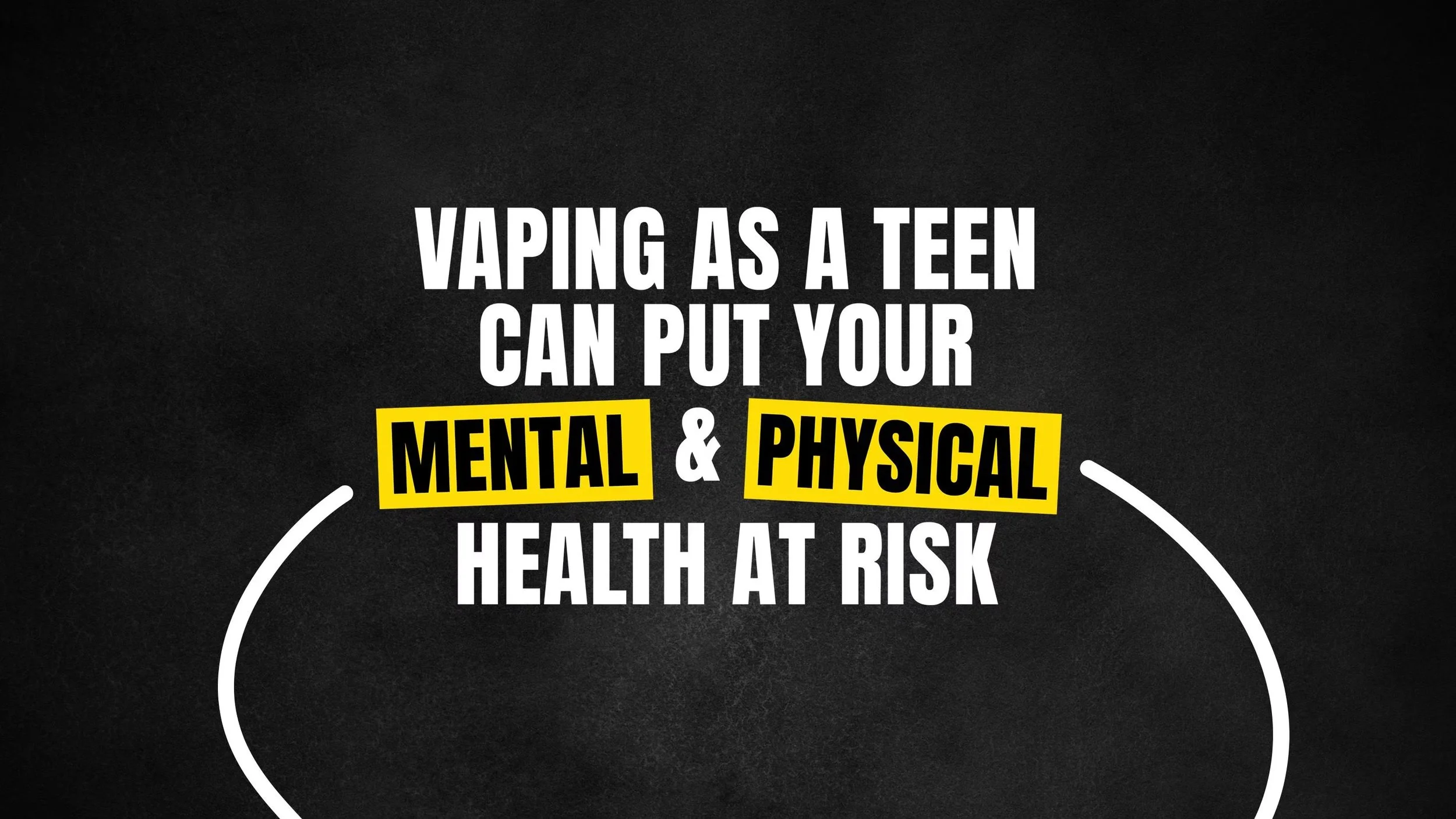
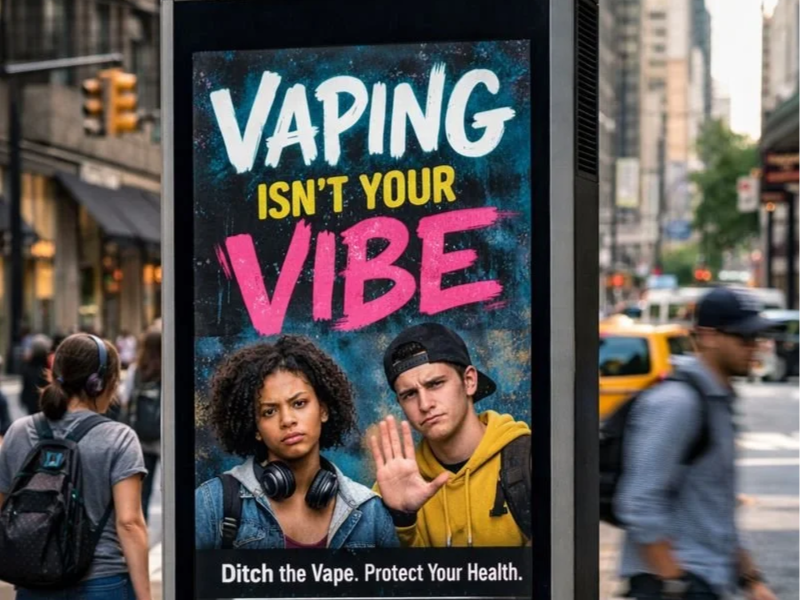
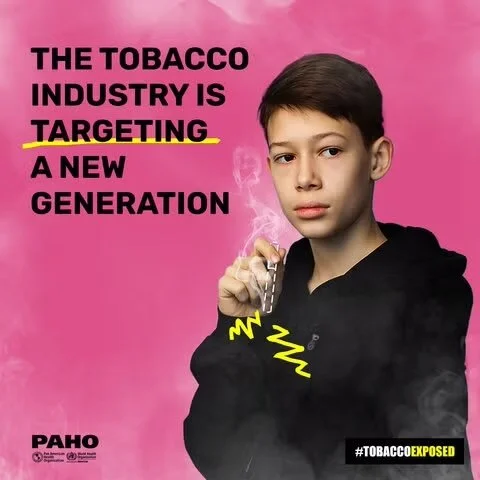
Comprehensive tobacco control remains a public health priority, with ongoing efforts to reduce youth initiation, promote cessation, and address emerging products like e-cigarettes and vapes.
Place-based strategies include:
Youth vaping prevention campaigns in high schools and colleges
Cessation resources and quitline promotion in healthcare settings
Smoke-free policy education in workplaces and public spaces
Information about secondhand smoke dangers in family service venues

These targeted interventions complement broader media campaigns while reaching specific populations where behavior change is most critical.
Chronic Disease Prevention
Diabetes, heart disease, stroke, and cancer account for the majority of healthcare spending and preventable deaths. Government initiatives promote lifestyle changes, early detection, and disease management.
Place-based media supports prevention through:
Nutrition and physical activity education in community centers and retail environments
Screening reminders in healthcare settings and senior centers
Disease management information in pharmacies and specialty clinics
Risk factor education targeting high-risk populations
Our aging population marketing expertise helps health agencies reach older adults at elevated risk for chronic conditions.
The "We Can Do This" Campaign: A Case Study
One of the most significant recent examples of government health communication is the U.S. Department of Health and Human Services' "We Can Do This" campaign, launched during the COVID-19 pandemic to increase vaccine confidence and uptake while reinforcing prevention measures.
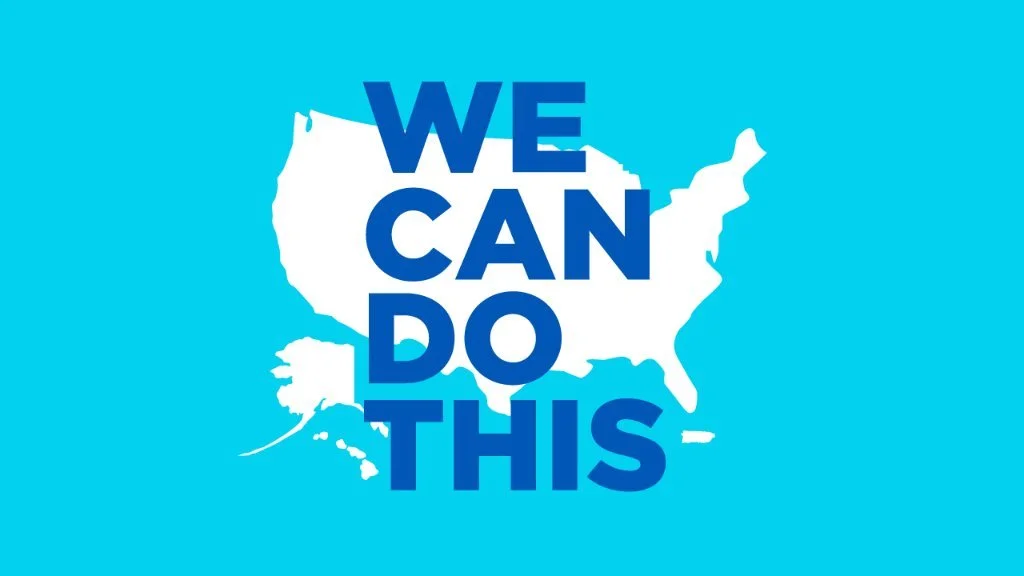
This campaign exemplified effective multi-channel health communication, combining national media with targeted place-based strategies. Digital out-of-home (DOOH) advertising played a crucial role, delivering vaccine information in:
Healthcare settings where patients could immediately discuss vaccination with providers
Pharmacies offering vaccine services
Community centers serving diverse populations
Public transportation hubs in urban areas
Retail locations in underserved neighborhoods
The campaign's success demonstrated several principles:
Multichannel Integration: Combining broadcast media, digital channels, and place-based OOH created multiple touchpoints that reinforced key messages and reached diverse audiences through different media consumption patterns.
Cultural Tailoring: Messages were adapted for different communities, available in multiple languages, and featured diverse spokespeople representing the communities being served.
Trust Building: Partnering with community organizations, faith leaders, healthcare providers, and other trusted messengers helped overcome vaccine hesitancy in communities with historical reasons for medical mistrust.
Action Orientation: Rather than just building awareness, the campaign connected people to vaccination services through clear calls-to-action, location finders, and appointment scheduling tools.
Sustained Presence: Long-term place-based media placements created ongoing visibility and normalized vaccination as a community health priority.
Addressing Social Determinants of Health
Modern government health initiatives increasingly recognize that individual behaviors are shaped by broader social, economic, and environmental conditions — the social determinants of health (SDOH). These include factors like income, education, housing, food security, transportation, and neighborhood safety.
Place-based media can help address SDOH by:
Connecting People to Resources: Displaying information about SNAP benefits, housing assistance, transportation services, job training, and other resources that address underlying health determinants.
Building Health Literacy: Providing education that empowers people to navigate healthcare systems, understand their health conditions, and make informed decisions.
Creating Community Awareness: Highlighting neighborhood assets, services, and resources that support health and wellbeing.
Advocating for Change: Supporting campaigns that promote policy changes addressing systemic barriers to health, such as smoke-free housing, safe routes to school, or improved food access.
Our understanding that health happens in communities, not just clinics, informs our approach to public health communication. We help agencies deliver messages that acknowledge and address the full context of people's lives.
Best Practices for Government Health Campaigns
Based on our work with federal agencies including the Centers for Disease Control and Prevention (CDC), the Department of Health and Human Services (HHS), the Food and Drug Administration (FDA), and the Substance Abuse and Mental Health Services Administration (SAMHSA), we've identified best practices for effective government health campaigns:
1. Start With Clear Objectives
Define specific, measurable goals: What behaviors should change? Which populations need to be reached? What knowledge gaps exist? What barriers to care need addressing?
2. Understand Your Audience
Conduct formative research to understand target populations' current knowledge, attitudes, behaviors, media consumption patterns, and cultural contexts. Recognize that different communities have different needs, concerns, and trusted information sources.
3. Choose Strategic Venues
Select placement locations based on where target audiences naturally spend time and where they're most receptive to health information. Consider venue credibility, dwell time, audience composition, and contextual relevance.
4. Tailor Messages Appropriately
Develop culturally relevant messaging that resonates with specific communities. This includes language translation, cultural adaptation of imagery and concepts, and addressing community-specific concerns or barriers.
5. Create Actionable Content
Every message should include clear next steps: a number to call, a website to visit, a service to access, or a behavior to adopt. Make it as easy as possible for people to act on the information provided.
6. Integrate Across Channels
Place-based media works best as part of comprehensive campaigns that include multiple touchpoints. Coordinate messaging across OOH, digital, broadcast, social media, and community outreach.
7. Measure and Evaluate
Track campaign reach, engagement, and outcomes. Use data to refine targeting, messaging, and placement strategies over time. Share results with stakeholders to demonstrate impact and inform future efforts.
8. Partner With Communities
Engage community organizations, healthcare providers, schools, faith institutions, and other trusted entities. Their partnership enhances credibility and helps ensure messages resonate with local populations.
9. Plan for Sustainability
Health behavior change takes time. Plan for sustained presence rather than short-term bursts. Long-term campaigns create ongoing visibility and normalize healthy behaviors as community norms.
10. Build Equity Into Strategy
Ensure campaigns reach populations facing the greatest health challenges. Allocate resources to underserved communities, address language and literacy barriers, and acknowledge historical contexts that may affect trust in health messaging.
The Role of Digital Out-of-Home (DOOH)
While traditional out-of-home advertising maintains significant value, digital out-of-home (DOOH) advertising offers enhanced capabilities that are particularly valuable for government health initiatives:
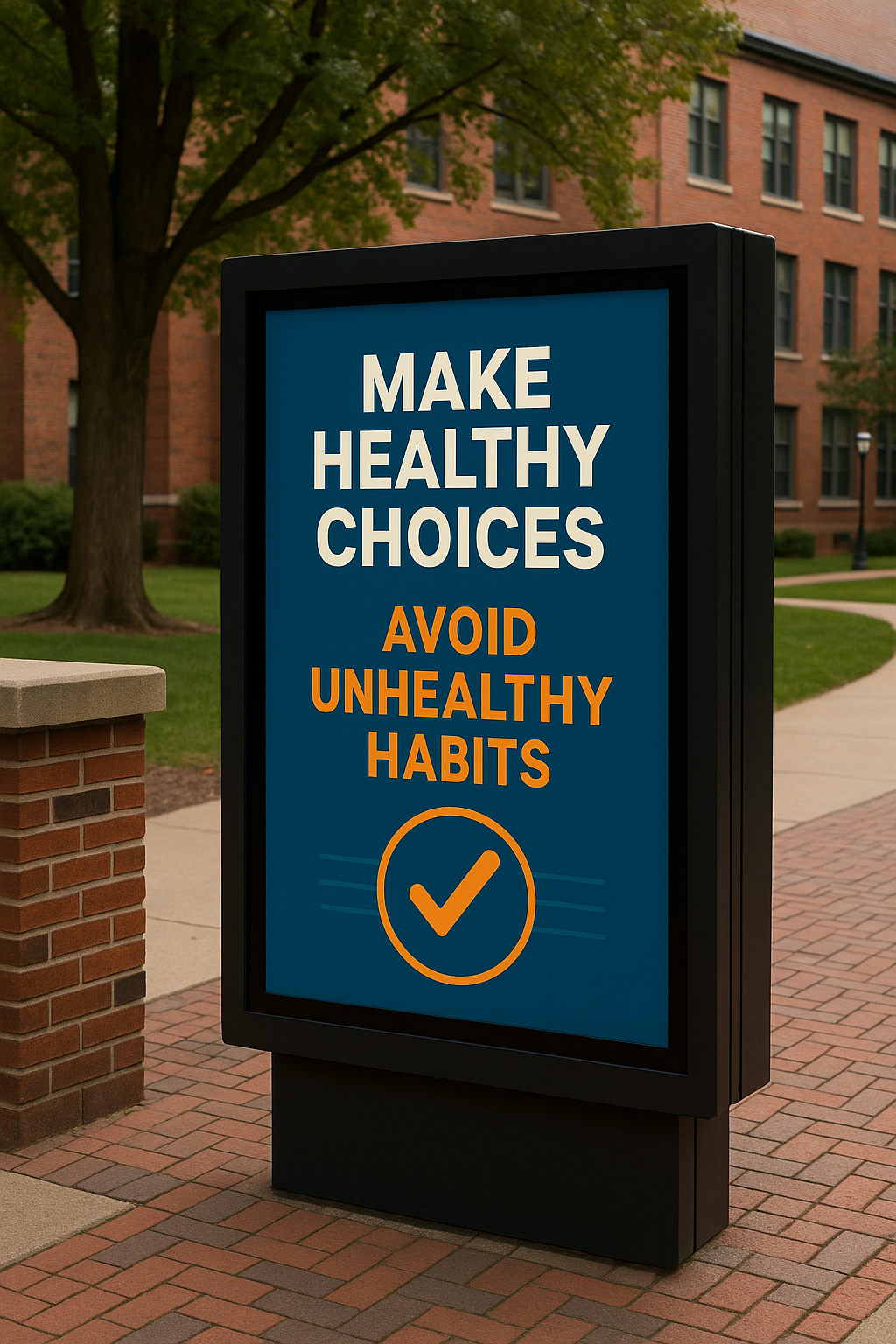
Dynamic Content: DOOH allows for real-time message updates, enabling agencies to respond quickly to changing health conditions, outbreak situations, or program updates without reprinting materials.
Dayparting: Messages can be scheduled to appear at optimal times when target audiences are most present, maximizing exposure and relevance.
Responsive Campaigns: DOOH enables contextual messaging that adapts to current conditions — heat warnings during extreme weather, flu prevention during peak season, mental health resources during crisis periods.
Enhanced Measurement: Digital platforms provide detailed analytics on impressions, reach, and frequency, helping agencies understand campaign performance and optimize placement.
Interactive Elements: DOOH can incorporate QR codes, text-to-access features, and other interactive elements that make it easy for people to immediately access services or information.
Cost Efficiency: Digital displays can show multiple campaigns or rotate through different messages, making better use of premium locations and reducing production costs.
As government health agencies seek to maximize the impact of limited budgets, DOOH offers compelling advantages for creating flexible, measurable, and responsive health communication campaigns.
Partnering With PlaceBased Media
At PlaceBased Media, we specialize in delivering government health initiatives through strategic place-based networks. Our approach combines:
Extensive Network Reach: We operate one of the nation's largest community-based OOH and DOOH networks, with presence in over 300 markets nationwide across schools, clinics, community centers, gas stations, grocery stores, and other neighborhood venues.
Public Health Expertise: Our team has over 15 years of experience working with top public health organizations. We understand the unique requirements, approval processes, and evaluation needs of government health campaigns.
Multicultural Capabilities: We have deep experience reaching diverse populations through culturally tailored campaigns that address the specific needs of African American, Hispanic/Latinx, Asian American, LGBTQ+, and other communities facing health disparities.
Comprehensive Services: We provide end-to-end campaign support including strategy development, creative adaptation, media planning and buying, production, installation, quality assurance, and proof-of-performance documentation with photos, locations, mapping, and metrics.
Proven Track Record: We've successfully partnered with SAMHSA, CDC, HHS, FDA, and numerous state and local health departments on campaigns addressing HIV prevention, mental health, substance use, tobacco control, maternal health, and other critical public health priorities.
Strategic Venue Selection: We help agencies identify the optimal locations to reach target populations, balancing audience composition, venue credibility, geographic coverage, and budget considerations.
Whether you're launching a new prevention campaign, promoting testing and treatment services, addressing health disparities in specific communities, or responding to emerging health threats, we provide the strategic expertise and network infrastructure to ensure your message reaches the people who need it most.
Looking Ahead: The Future of Government Health Communication
The landscape of public health communication continues to evolve. Several trends will shape how government health initiatives reach communities in coming years:
Increased Personalization: Advances in data analytics and programmatic DOOH will enable more precisely targeted health messaging based on neighborhood-level health data, demographic characteristics, and real-time conditions.
Enhanced Interactivity: Future place-based displays will offer more opportunities for two-way engagement — touchscreens allowing people to find nearby services, virtual health assessments, telehealth connections, and interactive educational content.
Integration of Health Information Technology: Place-based media will increasingly connect to electronic health records, appointment systems, and other health IT infrastructure, creating seamless pathways from awareness to action.
Equity-Centered Design: Health communication will more intentionally address health disparities through strategic investment in underserved communities, community-based participatory approaches, and addressing systemic barriers to health.
Climate and Environmental Health: As climate change impacts health, place-based networks will play crucial roles in delivering real-time information about air quality, extreme heat, vector-borne diseases, and other environmental health threats.
Community Health Workers and Peer Navigation: Place-based media will increasingly complement and support community health worker programs, providing educational resources that peer navigators can use to support community members.
Continuous Learning Systems : Real-time measurement and rapid evaluation cycles will enable agencies to continuously optimize campaigns based on performance data and changing community needs.
Headwinds Worth Planning For : Misinformation, political barriers, and limited or uncertain funding can stall even well-designed initiatives, and new threats keep arriving — emerging infectious diseases, mental health crises, environmental hazards. The campaigns best positioned to keep their funding are the ones that can document where their messages ran and what changed as a result.
The fundamental principle remains constant: meeting people where they are with trusted, relevant, actionable health information. As media consumption fragments and health challenges grow more complex, strategic place-based communication will become increasingly essential to achieving government health objectives.
Frequently Asked Questions
What are government health initiatives? Programs run or funded by federal, state, county, and city health agencies to prevent disease, promote healthy behavior, and connect people to services — from tobacco control and overdose prevention to maternal health and mental health crisis response.
Why use place-based media for government health campaigns? It reaches people in trusted, everyday places — clinics, pharmacies, schools, grocery stores, community centers — including the populations digital-only campaigns tend to miss. The setting adds credibility, and longer dwell times give people time to absorb the message.
Can grant funds pay for place-based advertising? Place-based out-of-home advertising is an eligible paid media channel for federally funded awareness campaigns. Confirm eligible channels and reporting requirements with your program officer before you buy.
How do agencies prove a campaign actually ran? Ask for venue-level proof of posting — time-stamped, geo-tagged photos — and delivery reporting by ZIP code or county, venue type, and language. Independent verification goes further: an Alliance for Audited Media audit confirmed PlaceBased delivered 113.3% of guaranteed distribution. See what the audit covered.
How quickly can a campaign launch? Most point-of-care campaigns can be planned, produced, and deployed within 2–4 weeks. Timelines for other venue types depend on the networks, markets, and creative involved.
Can campaigns run in languages other than English? Yes. Point-of-care materials are available in English, Spanish, and 15+ additional languages, with cultural adaptation — not just translation.
Where should a government health campaign start? With the audience and the behavior you want to change, then the venues where that audience already spends time. Our guide to place-based OOH for government health campaigns walks through how agencies build it into a media plan.
Conclusion: Building Healthier Communities Together
Government health initiatives represent society's collective commitment to protecting and improving population health. These programs work — vaccines prevent diseases, tobacco control saves lives, mental health awareness reduces suffering, and health equity initiatives narrow disparities. But programs only work when people know about them, trust them, and can access them.
Place-based media bridges the gap between policy and practice, between health programs and the communities they're designed to serve. By delivering education in trusted venues where people naturally gather, we create opportunities for meaningful engagement that translates awareness into action and information into impact.
At PlaceBased Media, we're proud to serve as a strategic partner to government health agencies at every level. We believe health happens in communities, and the most effective health education reaches people in the trusted spaces where they already spend time.
Whether you're a federal agency launching a national prevention campaign, a state health department addressing local health priorities, a county public health department responding to community needs, or a city health office promoting wellness programs, we're ready to help you reach your goals.
For a broader look at how these initiatives translate into media strategy, see our complete guide to public health campaign advertising, which covers planning, venue selection, and measurement in depth.
Ready to maximize the impact of your government health initiative?
Contact us to discuss how strategic place-based media can help you reach target populations, advance health equity, and achieve measurable results in the communities you serve.
Together, we can build healthier futures — one message, one venue, one community at a time.
PlaceBased Media is a Minneapolis-based out-of-home (OOH) and digital-out-of-home (DOOH) media company specializing in community-level networks that promote public health, education, and social-impact campaigns. We partner with government health agencies, nonprofits, healthcare systems, and mission-driven organizations to deliver meaningful messages that drive awareness and behavioral change. Learn more at www.placebased.media.